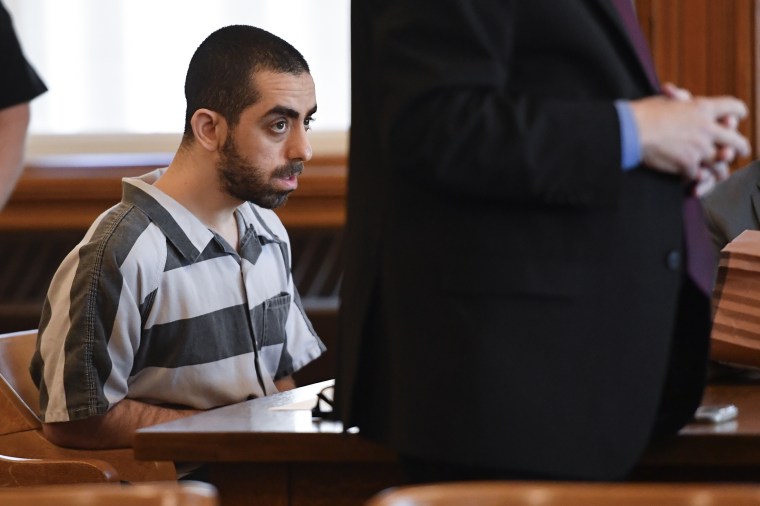
A federal jury has convicted Hadi Matar of terrorism charges linked to the 2022 attack on author Salman Rushdie. Matar stabbed Rushdie on stage as he was about to discuss writers’ safety. The jury found Matar guilty of all charges, including engaging in transnational terrorism.
Already serving a 25-year sentence for attempted murder in New York state, Matar now faces a potential life sentence with the federal conviction. Rushdie suffered severe injuries and lost sight in his right eye.
Defense and Prosecution Arguments
Prosecutors claimed Matar was influenced by the late Ayatollah Ruhollah Khomeini’s 1989 fatwa against Rushdie for his book “The Satanic Verses.” Defense lawyer Nathaniel Barone argued there was no evidence of Matar’s intentions. Matar chose not to testify during the trial.
Rushdie shared his account, stating, “I can’t say what his ambitions or his aim was, but the wounds were dispersed across my body.”
Background of Rushdie’s Controversial Work
Salman Rushdie gained fame with his novel “Midnight’s Children,” winning the Booker Prize in 1981. His later work, “The Satanic Verses,” released in 1988, led to widespread controversy and violence, with some claiming it contained blasphemous content against Islam.
Throughout the years, the book has sparked protests and violence, including fatal riots and attacks on those associated with it. Although Iran’s government distanced itself from Khomeini’s fatwa in 1998, the threat has persisted.
Matar’s Motivations and Connections
Matar, with ties to Lebanon and expressed support for Hezbollah, was shown to have repeatedly mentioned the fatwa in his messages. Prosecutors presented evidence of his intentions, including messages stating his goal to show allegiance to Hezbollah.
He detailed plans to locate Rushdie and track his public events, culminating in the attack at the Chautauqua Institution in New York. The electronic records detailed Matar’s evolving plans, from exposing Rushdie to intending to take his life.
Aftermath and Recognition of Rushdie
Following the assault, Rushdie has continued his literary work and public engagements. In 2024, he published a memoir about the attack, and he released a new fiction work titled “The Eleventh Hour.”
Rushdie achieved recognition with a Dayton Literary Peace Prize lifetime achievement award and was previously knighted by Queen Elizabeth II.
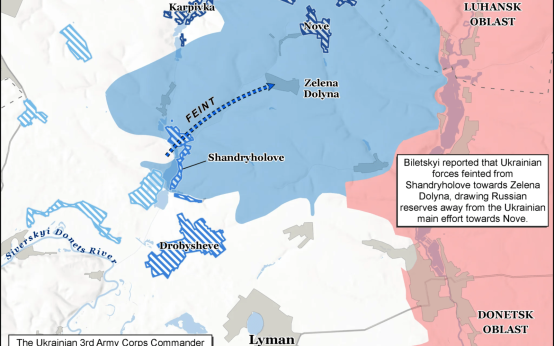 Ukraine Converts APCs to Explosive Devices in Donetsk Offensive
 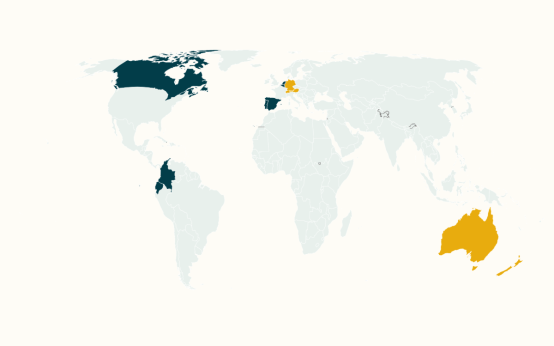 Dutch Review Board’s Euthanasia Ruling and International Debate
 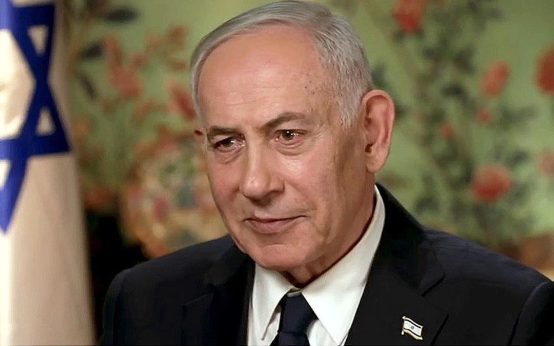 Israeli PM Commends Heroic Actions in Flight Emergency
  Rabbi and Jewish Leaders Criticize Adam Brody for ‘Genocide’ Comment
  Flydubai’s Emergency Landing Highlights Cockpit Security
  Former Israeli PM Naftali Bennett Commends Passengers and Crew for In-Flight Heroism