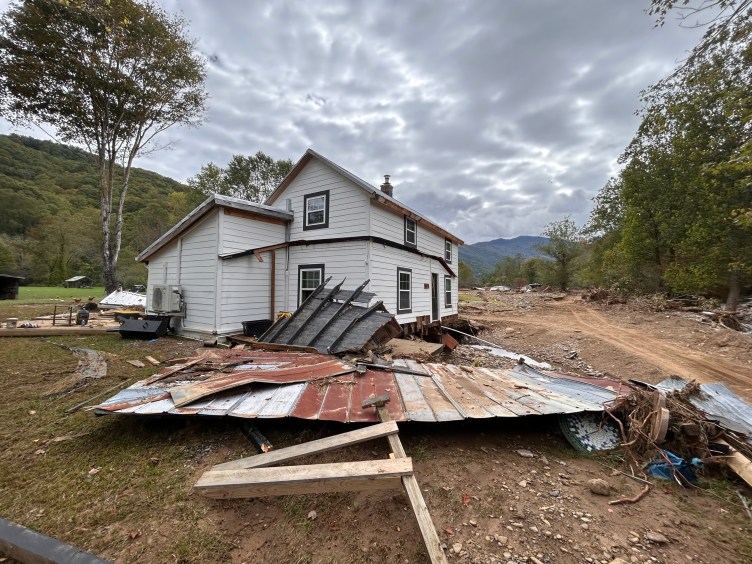
One Year After Helene: Recovery and Assistance
One year after Hurricane Helene, those affected continue to struggle with recovery. Many turned to the Federal Emergency Management Agency (FEMA) for aid, yet obstacles persist. In North Carolina, disparities have emerged. Wealthier homeowners received up to three times more FEMA housing assistance than lower-income households.
The Challenge of FEMA’s Application Process
FEMA’s application process is challenging, especially for low-income individuals. Reports indicate that FEMA has lost hundreds of workers, complicating the process further. Those with fewer resources face more hurdles in navigating the bureaucracy.
Impact on Communities in North Carolina
Families such as Brian and Susie Hill experienced significant losses. Their historic home was destroyed, sitting dangerously close to Cattail Creek. Like many, they didn’t have flood insurance. The Hills eventually managed to secure nearly $40,000 in FEMA aid, essential for beginning their rebuilding process.
In contrast, other residents face additional frustrations. One man’s application was marked as withdrawn without explanation, and others found their application in error due to minor mistakes like incorrect birthdates.
Disparities in Aid Distribution
An analysis by ProPublica and The Assembly highlighted that those with higher incomes received more aid. This trend is visible in counties like Yancey, where household income greatly influenced FEMA assistance amounts.
Disasters reveal inequity.– Sarah Labowitz, Carnegie Endowment for International Peace
FEMA guidelines propose equal assistance irrespective of income levels, but the practice doesn’t consistently follow this ideal. Many low-income households received less aid than wealthier homeowners, despite facing comparable damages.
Efforts to Improve FEMA’s Processes
FEMA has faced ongoing criticism for its complex and opaque processes. Efforts to streamline the application system saw setbacks under staffing cuts during the Trump administration, affecting the agency’s expertise to implement significant changes.
Long-Term Effects and Community Support
The Hills, through community support, raised additional funds and began reconstruction steps for their property. Volunteers, local non-profits, and fundraising efforts played vital roles in their recovery journey, providing both immediate relief and hope for a sustainable future.
For survivors like Michelle and Jeff Parker, the struggle continues. They faced repetitive disasters, highlighting the unpredictability and challenges in obtaining adequate aid. With limited resources, Michelle now faces uncertainty in securing long-term housing.
Across affected areas, disparities in recovery outcomes remain stark. Those with more resources and support networks find pathways to rebuilding, while others face prolonged uncertainty and systemic barriers to recovery.
 Freddy’s American Adventure: From Soccer to College Football
  Increased Funding Needed for Psychiatric Hospitals
  Higher Consumption of Ultra-Processed Foods Linked to Increased Health Risks
  The Quest for the Knuckleball Dream
  Navigating Grief After a Sibling’s Overdose
  Understanding Inflammation: Myths and Facts