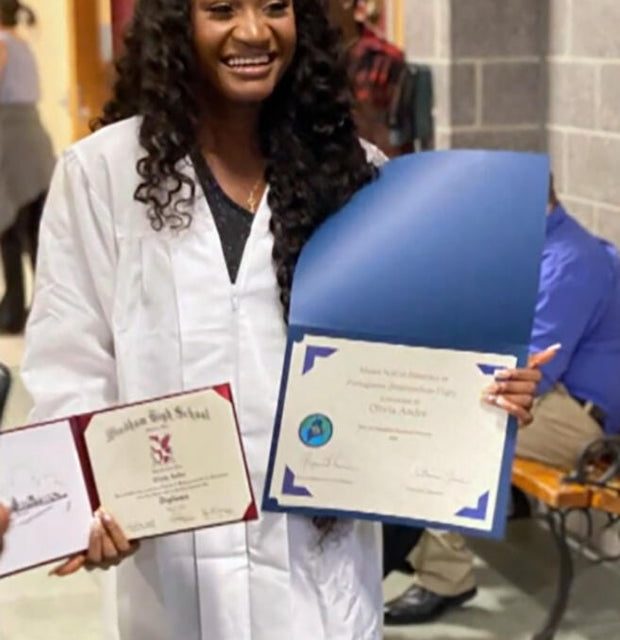
Joel Andre, a 17-year-old from the Democratic Republic of Congo, resides near Portland, Maine. His life, along with his younger sister Estafania’s, presently revolves around the World Cup. For them, it brings a welcome distraction from their struggles.
Joel’s sister, Olivia, is detained in the South Texas Family Residential Center in Dilley, Texas. Separated from Joel, Estafania, and their mother Carine, who were released in March, Olivia remains detained at the age of 19. Joel reflects, “I always think about Olivia.”
The family fled the Congo due to political persecution faced by Carine, an activist targeted for speaking against the ruling regime. They sought asylum in the U.S., arriving in 2022. They were initially vetted and expected to attend future hearings but in 2025, faced deportation orders, leading them to seek refuge unsuccessfully in Canada.
“In Dilley was very hard,” Joel described. “Especially to kids, right? The food, the water you drink, even the water you shower, is the worst.”
Elora Mukherjee from Columbia University’s Immigrants Rights Clinic stressed that remaining in the Congo could have been life-threatening for them.
The condition in Dilley is dire. Mukherjee noted that water is questionable and meals contain contaminants. The center’s lights never turn off, complicating rest for detainees. These issues have underpin instances of why Congressman Joaquin Castro and others call for its closure, citing that such places unfairly treat asylum seekers like criminals.
In 2025, President Trump’s administration reopened Dilley and awarded its management to CoreCivic, despite prior closures by President Biden. CoreCivic contests allegations of poor conditions. They assert compliance with federal standards and refute claims of substandard care, though testimony from detainees suggests otherwise.
Political constraints and legal battles continue around the center’s operations. The Flores Settlement demands rapid release of children, stating no more than 20 days of confinement, yet families report longer detentions.
“For, like, all we’ve been through,” said Estafania, “going to Dilley just, like, broke our hearts.”
Further complicating transparency, Dilley restricts external observation and prohibits media access, raising concerns about concealed conditions. Congressman Castro highlighted this lack of oversight during a visit, emphasizing the need to uncover the center’s true conditions.
Despite adversity, the story concludes with a positive note for Joel’s family. Olivia was released after over five months in detention, reuniting with her family in Maine. While their story ends on a hopeful note, others remain unresolved under similar circumstances.
 Dutch Review Board’s Euthanasia Ruling and International Debate
  Israeli PM Commends Heroic Actions in Flight Emergency
  Rabbi and Jewish Leaders Criticize Adam Brody for ‘Genocide’ Comment
  Flydubai’s Emergency Landing Highlights Cockpit Security
  Former Israeli PM Naftali Bennett Commends Passengers and Crew for In-Flight Heroism
 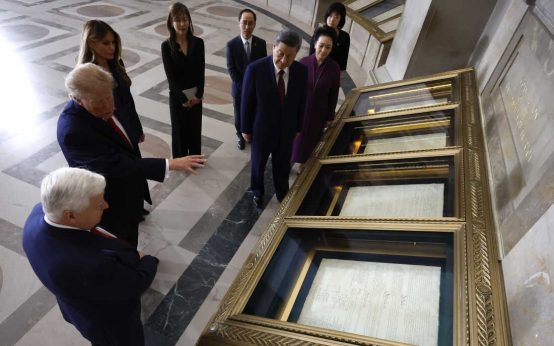 Diplomatic Complexities Unfold at U.S. National Archives Visit