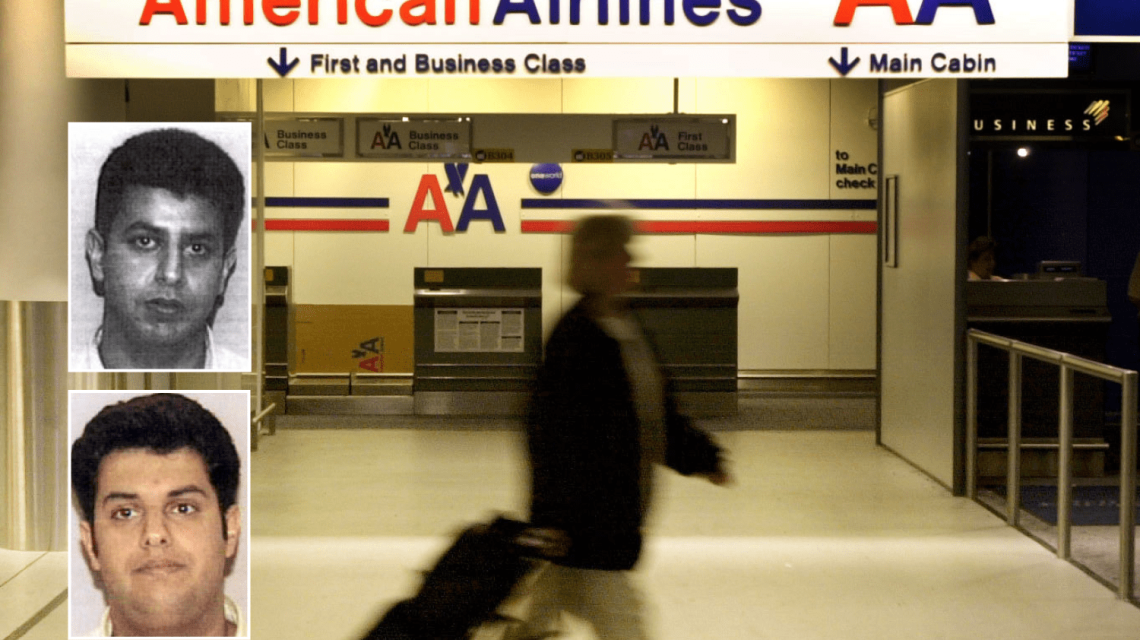
Setting the Stage for September 11
In the lead-up to September 11, 2001, critical actions were taken by members of al-Qaeda. On August 25, 2001, significant moves unfolded that would soon lead to the tragic events.
Mohammed Atta’s Preparations
On August 25, Mohammed Atta, a key figure in the 9/11 plot, logged into his Travelocity account at 2:12 p.m. He searched for flights departing from Washington Dulles International Airport and Boston to Los Angeles, aimed to depart around 8:00 a.m. on September 11.
Two main reasons influenced the choice of September 11 as the date for the attacks. The day followed Labor Day, ensuring most Americans, including the George W. Bush administration, were back at work. This timing maximized potential casualties. Secondly, it was a Tuesday, providing the advantage of less crowded flights and easier air travel.
By 2:43 p.m., Atta established an American Airlines account, reserving a seat in business class on American Airlines Flight 11, set to depart from Boston at 7:45 a.m. Detailed research revealed that this flight would use a Boeing 767-223ER. Atta had previously taken multiple test flights to thoroughly understand the aircraft and security measures.
Coordinating with Other Hijackers
Following a consultation with other hijacker pilots, Atta revisited the American Airlines website three days later to confirm and pay for his flight reservation using his VISA card. This transaction included a flight for himself and A. al-Omari, one of his collaborators.
The Involvement of the al-Shehri Brothers
On August 26, Saudi brothers Waleed and Wail al-Shehri also purchased tickets for the same flight. Wail concluded his purchase over the phone using a debit card, while Waleed used an online platform for his transaction. They had joined Atta’s group after their arrival in the United States in April 2001.
The flight included four operatives positioned strategically: the al-Shehri brothers in first-class seats 2A and 2B, and al-Omari and Satam al-Suqami, who joined Atta, occupied business-class seats. Each had specific roles in the operation.
Lack of Intelligence Alerts
At that time, there was no system for the intelligence community to be alerted about domestic flight reservations. If any of the hijackers were on international watchlists, only then would there have been a red flag. However, none of their names appeared on such lists.
The reliance on airport check-in personnel, security screeners, and gate attendants formed the primary security net to detect threats from domestic hijackers.
These events on August 25 highlight the calculated actions taken by the perpetrators in the final stages of their plan.
 British Police Arrest Man Suspected of Terror Plot
  Activists Push for Nationwide Ban on Child Marriage in the U.S.
  Investigation into Alleged Incident at Cornell University
  Rising Drone Threats Highlight Vulnerabilities in Moldova’s Airspace Defense
  Bolivia Faces Security Test Amid Unrest
  Incident on FlyDubai Flight Raises Security Concerns