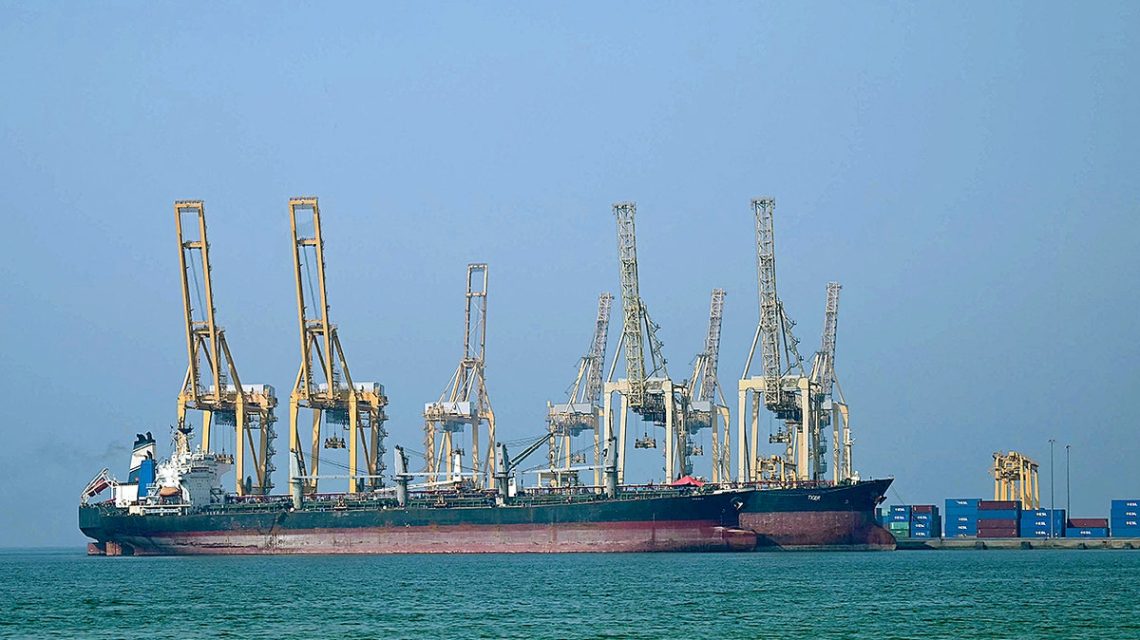
President Donald Trump is currently in talks regarding the Strait of Hormuz. While the Middle East draws global attention, a significant change has unfolded in Europe’s energy landscape. Gas terminals in Rotterdam, Wilhelmshaven, and Dunkirk are now central to this shift as Europe pivots away from Russian energy to a more American-dominated system.
Russia’s Influence Diminishes
In February 2022, Russia invaded Ukraine, sparking a major energy crisis for Europe. Previously, 40-45% of Europe’s gas imports came from Russia. This event catalyzed a vow from the continent: never again would they rely solely on one supplier. The aim was clear — diversify and break free from dependency.
By 2025, Russian gas imports to Europe had reduced dramatically, from 137 billion cubic meters in 2021 to just 18 billion cubic meters. Russia’s share of EU gas imports dropped from 45% to 12%. The European Parliament’s vote in December 2025 to ban Russian LNG by 2026 and all pipeline gas by 2027 solidified this shift, imposing €40 million penalties for any violations.
Europe’s New Energy Strategy
European nations did not only decrease Russian energy imports, but they also laid out a plan for a diversified energy future. This strategy involves pipelines from Norway, supplies from Algeria and Azerbaijan, LNG from Qatar and the Gulf, alongside renewables and American LNG forming a multifaceted approach to avoid dependency on any single country.
German Chancellor Friedrich Merz took decisive action, meeting with leaders in Saudi Arabia, Qatar, and the UAE to strengthen energy partnerships. His efforts reflected a vision for a pluralistic energy future.
The Impact of Middle East Tensions
However, U.S.-Israeli actions against Iran in early 2026 resulted in a regional conflict, leading to the closure of the Strait of Hormuz. This vital route handles about 20% of the world’s oil and LNG, critically affecting Gulf exports.
As shipping insurers withdrew and European gas prices surged by 25% in just one day, European nations faced a crisis. Stored gas reserves were critically low, and oil prices soared, exceeding $126 per barrel by April.
Qatar, willing to supply LNG, faced challenges due to the closure of Hormuz, curbing their ability to deliver. This situation highlighted the complexities of global energy routes and dependency.
American LNG Gains Dominance
Trump’s strategy in the region may have appeared unpredictable, with military actions and negotiations creating volatility. Yet, every ongoing disruption pushed Europe further towards American LNG supplies. By the end of 2025, U.S. contributions to EU LNG imports surged from 24% to 56%, later rising to 63% in early 2026.
Amid Gulf disruptions and dwindling storage, European nations signed long-term American supply agreements under pressured conditions. This solidified the impact of Trump’s energy vision.
By 2030, U.S. LNG exports to Europe are expected to reach 115 billion cubic meters annually, comprising 80% of EU LNG imports. Overall, 40% of EU gas supplies will flow from the U.S.
The Lasting Shift
Trump’s dealings have closed the immediate crisis, yet the structural impact remains. Europe has committed to American energy supplies by law and contract, with no easy reversal. The region’s energy landscape has realigned significantly towards the United States.
 President Trump’s Pre-Midterm Interview on Key Issues
  Trump’s 2024 Reelection and Evolving Voter Dynamics
  Defense Secretary Emerges as Key Player in the Trump Administration
  Hegseth’s Vision for the Military: Balancing Tradition and Innovation
  Significant Funding Boosts Ken Paxton’s Texas Senate Campaign Amid Tight Race
  U.S. States Extend Gas Tax Waivers Amid Rising Fuel Costs Due to Iran Conflict