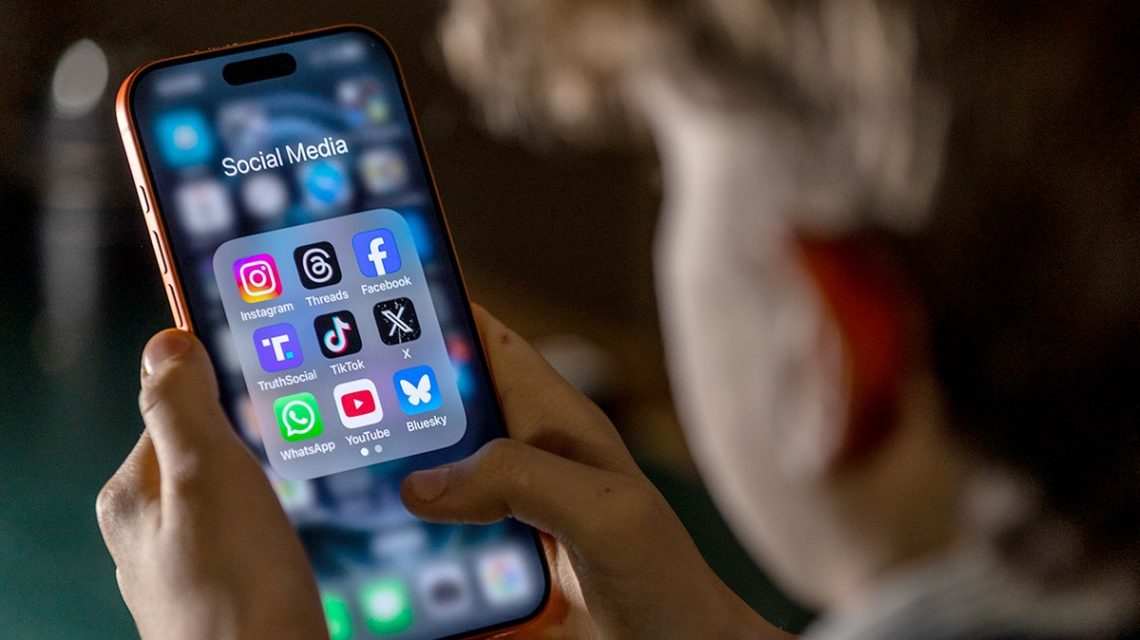
Imagine posting a few concert photos on Instagram. Then, an email arrives, appearing to be from the venue, offering exclusive photos from the event. It mentions the night you attended and the artist you saw. Would you click without hesitation? Researchers at the University of Texas at Arlington warn that scammers could use artificial intelligence (AI) to create such convincing phishing emails by analyzing your social media posts.
AI’s Role in Spear Phishing
The study shows AI tools can extract details from public accounts and generate personalized phishing emails. These messages are sophisticated, mimicking an individual’s real-life activities. The technology allows mass production of such scams, which once required significant time and effort.
Examples of AI-Generated Scams
Consider a vacation to Brazil, where you posted hotel photos and tagged locations. A scammer could generate an email from the hotel, offering a discount for your next stay. While it seems authentic, the link might lead to a fraudulent site intending to steal personal information.
Shirin Nilizadeh, a professor involved in the study, emphasizes the threat: “Anyone can be the attacker.” This danger arises from the ease with which public posts provide information for believable messaging.
Research Findings on AI and Social Media
The researchers, including Elham Pourabbas Vafa and Sayak Saha Roy, studied 200 Instagram accounts. They discovered that as few as 10 posts could inform highly targeted scams. Over 18,000 AI-generated emails were analyzed and crafted using travel pictures and public updates, creating relevant and believable phishing messages.
Troubling Implications of AI-Aided Phishing
Even posting about an upcoming concert can lead to a phishing email offering ticket upgrades. Complaining online about a delayed flight might trigger an email with fake compensation. Participants in a user study found AI-generated emails more credible than real phishing attempts. However, this was in a controlled environment; it’s unclear how many would click malicious links in reality.
Scammer Strategies and AI’s Impact
Scammers can exploit public profiles without hacking accounts. Emails referencing recent events might seem harmless, increasing the probability they’ll be trusted. AI has streamlined the creation of these polished messages, bypassing usual warning signs like spelling errors or awkward phrasing.
AI Safety Measures and Their Shortcomings
AI companies have implemented safeguards against malicious activities. However, researchers found that popular safety tools like Llama Guard detected very few phishing requests. Improved instructions helped achieve a 99% detection rate in testing, though these results are not guaranteed across all scenarios.
The precise methods for generating phishing emails remain undisclosed to prevent misuse. Researchers urge AI developers to improve safeguards against automated social engineering scams.
Protecting Yourself from AI Phishing Scams
Adopting a cautious approach to social sharing and emails can reduce risk:
- Set social media profiles to private, limiting post visibility to trusted followers.
- Avoid sharing real-time locations or travel plans; post such updates after returning.
- Verify unexpected emails by contacting companies through official channels, not links provided in emails.
- Install robust antivirus software to catch threats and secure devices.
- Consider personal data removal services to limit available personal information online.
- Utilize strong, unique passwords and multifactor authentication.
- Keep devices and software up-to-date to patch security vulnerabilities.
What to Do If You Click a Suspicious Link
Accidents can happen. If you click a fraudulent link, take these steps:
- Stop interacting and close the site immediately.
- Run a security scan using antivirus software.
- Change any compromised passwords.
- Review transaction logs for unusual activity.
- Contact financial institutions if financial info was shared.
- Report scams to email providers and the Federal Trade Commission.
Recognizing timely, personal emails can be challenging. Exercising caution and skepticism can prevent costly mistakes.
Conclusion
This research highlights the potential misuse of AI in enhancing scams. While safeguards are improving, AI’s capacity to personalize phishing attempts makes caution essential when receiving unexpected messages.
 The Jensen Huang Controversy: Silicon Valley’s Divided Opinion
 California Lawsuit Against OpenAI: Key Details and Implications
 Updates on Key International and Domestic Events
 E.l.f. Cosmetics Breaks Makeup World Record at TwitchCon
 Understanding Credit Freeze, Fraud Alert, and Identity Monitoring
 U.S. Restricts Remote Access to AI Chips Amid National Security Concerns