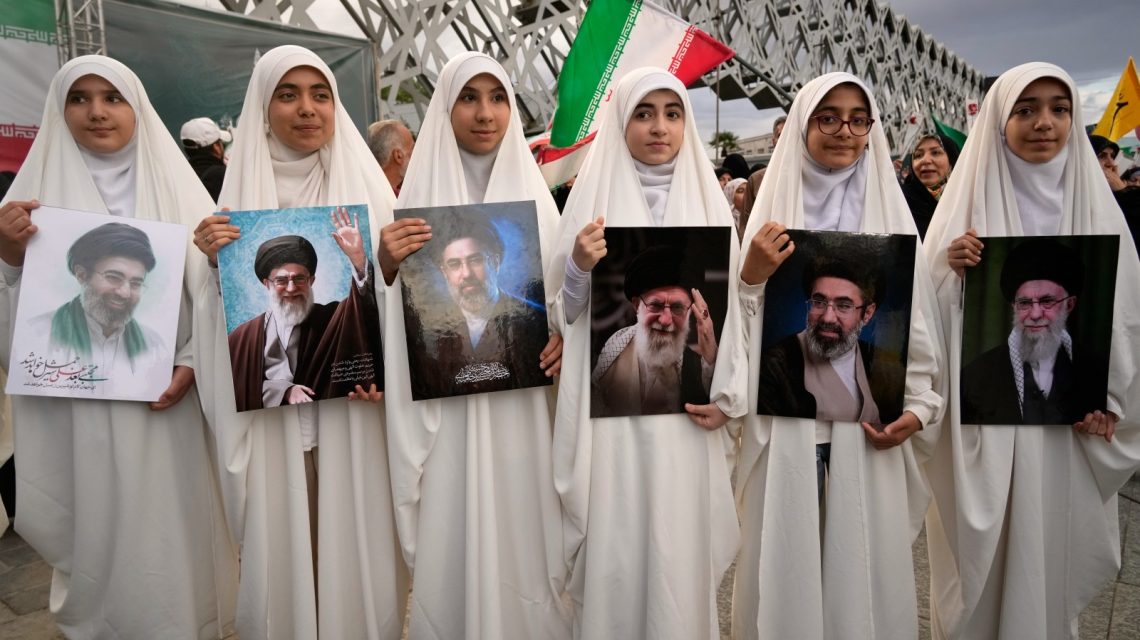
Mojtaba Khamenei’s Mysterious Absence
Mojtaba Khamenei, the supreme leader of the Islamic Republic of Iran, has been conspicuously absent since the assassination of his father, Grand Ayatollah Ali Khamenei, in a U.S.-Israeli strike. His absence has led to speculation about his condition and whereabouts. Despite rumors of his injuries, Mojtaba remains a figure shrouded in mystery, seemingly managing the country from the shadows.
Iran’s Leadership Without Mojtaba
The lack of a visible supreme leader complicates Tehran’s governance and negotiations with the U.S. The Islamic Republic might be adapting to rule without a traditional leader, leveraging Mojtaba’s mystique as a symbolic figure rather than an active ruler. This approach reflects a Shia belief in spiritual guidance without the physical presence of a leader.
Expert Insights on the Situation
Newsweek interviewed experts to understand what Mojtaba’s disappearance means for Iran’s internal dynamics and its stance in international negotiations. Peiman Salehi, an Iranian political analyst, discussed how Shia Islam’s messianic figure concept might influence public perception of Mojtaba. He suggested that Mojtaba could serve as a rallying point, even without direct involvement in governance.
Khosro Isfahani noted that Mojtaba’s perceived ineffectiveness allows regime elements to control him as a symbolic leader, filling the power vacuum with their agendas.
Isfahani observed that Mojtaba lacks linguistic and rhetorical prowess, making it difficult to ascertain the authenticity of communications attributed to him. This allows powerful elements within the regime to manipulate his image for their benefit.
The Power Vacuum and Its Implications
With Mojtaba unable to effectively wield power, other factions within Iran’s establishment are vying for dominance. Andreas Kreig, a Middle East expert, emphasized that the IRGC holds substantial influence, controlling critical state functions usually handled by a supreme leader. This has fueled a power struggle, with various entities seeking to utilize Mojtaba’s absence to their advantage.
Iran’s Negotiation Tactics Amidst Leadership Chaos
Iran’s negotiations with the U.S. have become more complex, partly due to the uncertainty surrounding Mojtaba. Tehran is demanding greater control over the Strait of Hormuz, leveraging this strategically vital waterway in its diplomacy. Peiman Salehi explained that this move is motivated by Iran’s internal observation of how geopolitical events unfolded during past conflicts.
Kreig noted that Iran uses negotiations to build power internally, signaling a shift from traditional diplomatic engagements to domestic power consolidation strategies.
Public Sentiment and the Prospects of Return
Following his father’s death, Mojtaba’s absence hasn’t led to widespread unrest. Analysts argue that this is due to Iranians uniting against foreign threats, despite internal challenges. Salehi pointed out that societal unity in defense against external aggression remains strong, sustaining support for Iran’s existing power structures.
While Isfahani believes that Mojtaba’s absence aligns with the regime’s interest in maintaining a symbolic leader, Kreig remains skeptical of Mojtaba’s legitimacy. He argues that the Iranian population does not exhibit unwavering support for a leader without political or personal substance.
Security concerns surrounding Mojtaba continue to limit his public exposure. Kreig and Salehi both argue that his current situation results from the regime’s security measures. Mojtaba’s leadership role remains largely symbolic, driven by external forces who control his narrative.
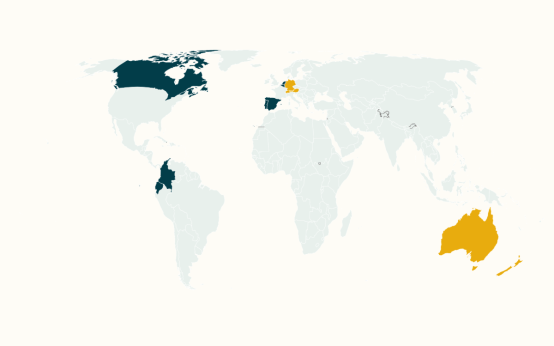 Dutch Review Board’s Euthanasia Ruling and International Debate
 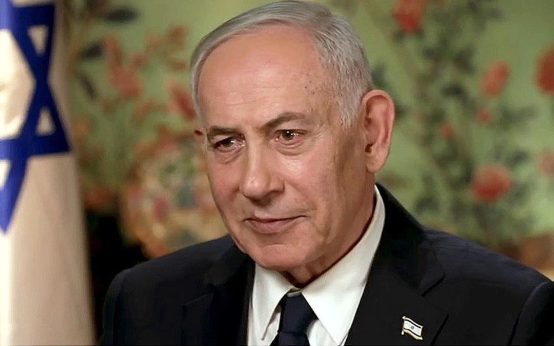 Israeli PM Commends Heroic Actions in Flight Emergency
 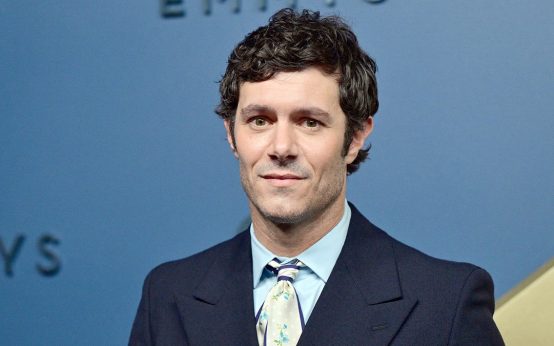 Rabbi and Jewish Leaders Criticize Adam Brody for ‘Genocide’ Comment
  Flydubai’s Emergency Landing Highlights Cockpit Security
  Former Israeli PM Naftali Bennett Commends Passengers and Crew for In-Flight Heroism
  Diplomatic Complexities Unfold at U.S. National Archives Visit