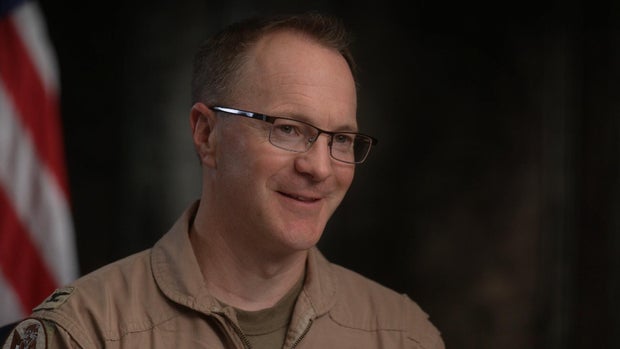
An Air Force colonel faced grave danger when his F-15E crashed in Iran’s desert, away from his crewmate, after being shot down in April. The U.S. aviator, designated Bravo, fell at 70-100 mph; his parachute was compromised by an Iranian missile. Bravo, the weapons systems officer, endured a perilous fall with several injuries, including a broken back, shoulder, and arm.
Bravo vividly recounted, “Seeing no parachute was terrifying.” In desperation, he prayed for help. Rescue arrived after two days, a period he calls a “modern-day miracle.” Bravo views his survival as a testament to divine intervention, noting that his injuries, while severe, were not fatal.
Dude 44’s Mission in Iran
The U.S. military has conducted 13,000 missions during the conflict with Iran. On April 2, Bravo was involved in a mission to strike Iranian facilities linked to nuclear material and drone programs. Adm. Brad Cooper explained that this area was close to where Iran stored much of its highly enriched nuclear resources. Despite air superiority, the $30 million F-15E was brought down by a $100,000 shoulder-fired missile.
The missile impact felt like a “freight train,” Bravo recalled. Unable to save the plane, he and his pilot, Alpha, ejected. While Alpha safely returned to duty, Bravo faced an arduous wait. Alpha expressed deep gratitude for the Combat Search and Rescue specialists’ efforts.
Bravo’s Struggle for Survival
Bravo landed roughly five miles from Alpha with impaired mobility due to his injuries. He moved swiftly from the crash site, seeking higher ground to avoid capture. Despite broken bones, he ascended a 7,000-foot ridgeline.
In the U.S., news of the downed crew reached Defense Secretary Pete Hegseth. He was prepared to ensure their rescue despite significant risks. Videos online showed armed groups searching for Bravo, while U.S. forces monitored Iranian movements closely.
The Complex Rescue Operation
A rescue mission led to Alpha’s retrieval within six hours, but Bravo remained elusive. Bravo used his training to endure an additional 24 hours in harsh conditions. The CIA launched deceptive strategies to distract Iranian forces, ultimately pinpointing Bravo’s location using secret technology.
Admiral Cooper described the mission as one of the military’s most intricate rescues. Ninety U.S. service members, the first in Iran in 46 years, were involved. Rescue teams on “Little Bird” helicopters reached Bravo, who greeted them with “Let’s go.” However, they faced a new challenge with the landing gear stuck in desert sand. U.S. forces destroyed the aircraft to prevent technological capture.
A Triumphant Return
After 50 hours, Bravo was safely extracted on Easter Sunday. Speaking with his wife, he expressed pride in her strength. Bravo emphasized that the rescue reflects America’s commitment to “leave no man behind,” highlighting the teamwork, training, and leadership that facilitated his ordeal’s resolution.
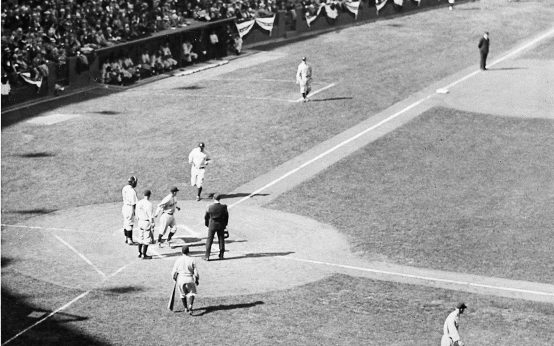 Historical Events in Chicago on October 1st
 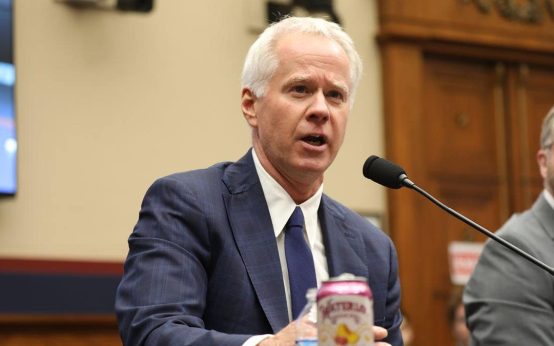 Patrick McEnroe Advocates for Collegiate Athletic Reform
  Push for Reparations Faces Challenges and Calls for Strict Eligibility
 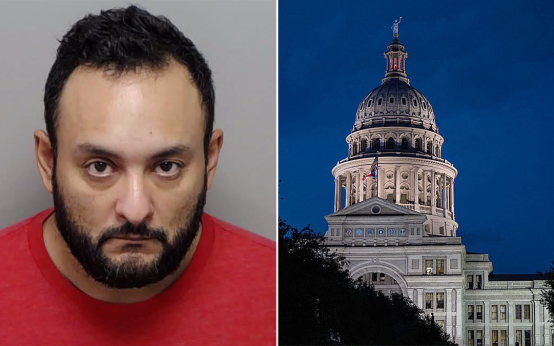 Texas Man Arrested for Threatening State Capitol Attack
  The Key Debate Between Xavier Becerra and Steve Hilton: What You Need to Know
  Physicians Urge Senate to Reject FDA Nominee