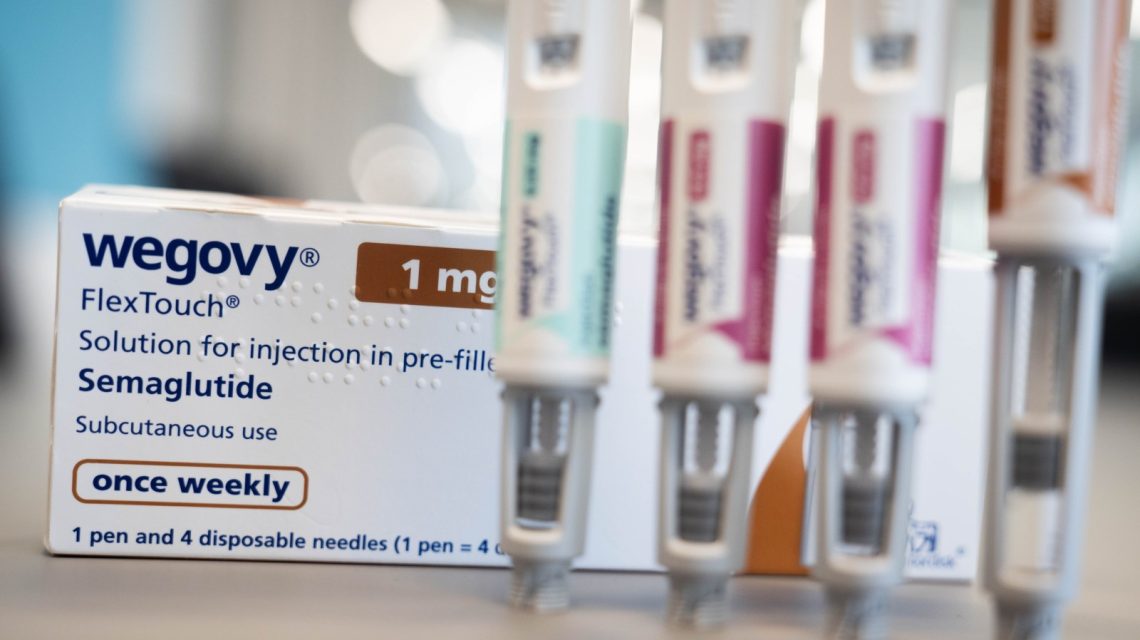
Drugs like Ozempic and Wegovy are gaining attention for their ability to help users lose weight. However, experts are raising concerns about their effects on the brain. These drugs, known as GLP-1 receptor agonists, diminish what some researchers call ‘food noise’—persistent thoughts about eating—while imitating a hormone that signals fullness and slows digestion. They impact brain systems related to reward, impulse control, and mood.
Scott Kanoski, co-director of the University of Southern California Diabetes and Obesity Research Institute, explains that some GLP-1 drugs can access brain regions tied to emotion, reward, and memory. He notes that the effects are not well understood and may vary based on the patient and drug. Therefore, while these weight loss drugs show promise, they may also pose mental health risks.
A study published in May reported a 40 percent reduction in alcohol intake among semaglutide users (the active ingredient in Ozempic and Wegovy). However, other research suggests these drugs might contribute to eating disorders or harm mental well-being. Further research is crucial to understand their full impact, and experts recommend cautious use with medical supervision.
Emerging Mental Health Concerns
The American Psychological Association warned that GLP-1s might reduce dopamine responses not only to food but to pleasurable activities and social interactions. The National Eating Disorders Association also raises concerns about their safety for those with eating disorders. Misuse, worsening conditions, and other potential risks are highlighted.
A 2024 study from Chung Shan Medical University Hospital found an increased risk of anxiety, depression, and suicidal tendencies among users. A 2025 analysis by experts suggested that GLP-1s may trigger both anti-addictive effects and aggravated depressive symptoms. These concerns underline the need for careful monitoring.
GLP-1 Misuse and Access Risks
Dr. Sarah Boss from the BALANCE Rehab Clinic reports that many patients use GLP-1s without clinical indication, acquiring them online or through unregulated pharmacies. This lack of medical oversight leads to potential abuse and side effects. Andrew Hardaway from the University of Alabama notes growing cases of ‘cosmetic abuse’ of GLP-1s, and some people seek cheaper, untested alternatives from unreliable sources.
Pamela Keel, a professor at Florida State University, emphasizes the need for in-depth research to understand the risks and benefits. Dr. Boss urges psychological assessments before prescription to manage the mental health impacts effectively.
Mixed Evidence and Ongoing Research
Paul Kenny of Mount Sinai’s Friedman Brain Institute believes GLP-1s can have both positive and negative effects on mental health, varying per individual. There is a need to understand why responses differ based on factors like genetics and preexisting mental health conditions.
Ali Güler from the University of Virginia stresses the significance of each patient’s clinical history and context. While some benefit from reduced appetite and reward-driven eating, others with a history of restrictive eating or body-image distress face added risks.
A Call for ‘Personalized’ Care
Andrew Hardaway advocates for a personalized approach to prescribing GLP-1s. Individualized dosage and careful monitoring could help reap medical benefits while minimizing side effects. He calls for more scientific research and clinical trials to bolster informed decision-making.
 Increased Funding Needed for Psychiatric Hospitals
  Trump Administration Distributes ACA Refund Checks
  Higher Consumption of Ultra-Processed Foods Linked to Increased Health Risks
  Understanding Inflammation: Myths and Facts
  Calm Parenting: Strategies to Manage Stress
  Trump’s Executive Order to Combat Mosquitoes and Ticks in D.C.