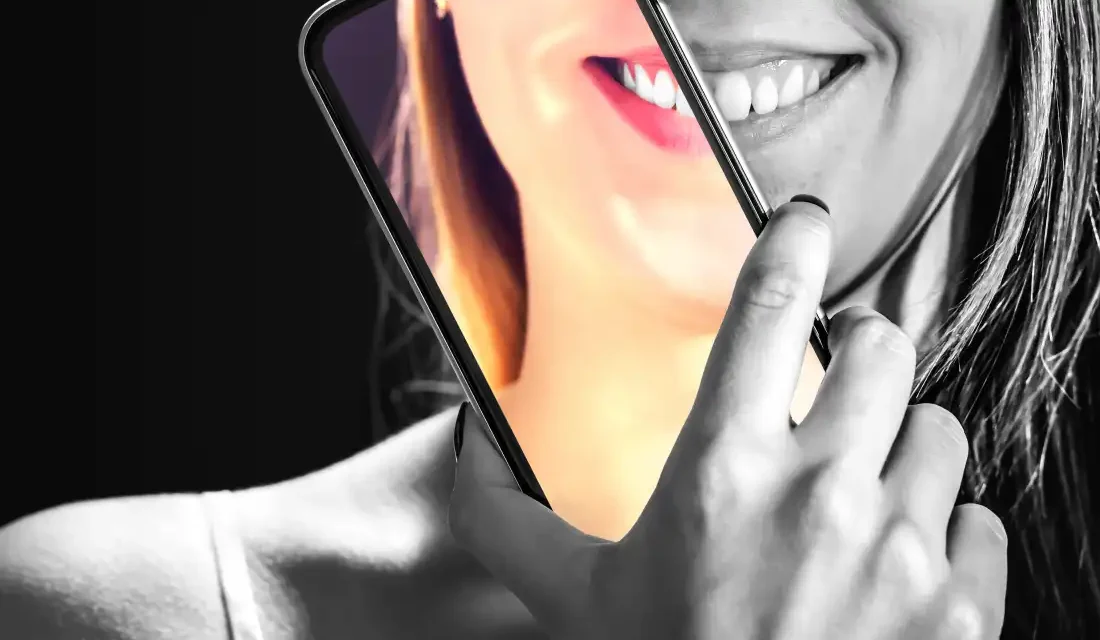
How much filtering is appropriate for kids and teens on social media? This question is at the forefront for state attorneys general nationwide following a significant settlement with Meta. As part of this agreement, Meta committed to blocking certain digital beauty filters for minors. These filters mimic extreme transformations such as cosmetic procedures or heavy makeup. State officials must now determine where to draw the line on filter use.
Impact on Youth Body Image
Teens face constant pressure from online beauty trends like “Instagram face,” a look with features like a small button nose and high cheekbones. Coined in 2019 by Jia Tolentino, the trend influences teens through digital filters. For example, Mia Lerner, a 17-year-old from California, shared that experimenting with filters affected her self-image and contributed to an eating disorder. She supports Meta’s initiative to limit beauty filters for minors.
The Problem with ‘Subtle’ Editing
The agreement between Meta, 47 U.S. states, Washington D.C., and three territories in August does not ban all digital effects. While certain fun filters remain, filters that subtly enhance appearance pose a concern. Lerner highlights that subtle edits foster unhealthy comparisons, unlike obvious AI-generated alterations that are easier to dismiss.
Tech Guardrails vs. Moving Targets
Meta has aimed to manage beauty filters by banning filters promoting cosmetic surgery and adding labels for AI-generated content. Yet harmful filters still bypass these measures. Other tech companies face similar challenges. TikTok limits filter use for those under 18, but Snapchat does not. Companies like YouTube allow posting content made with third-party filters.
Evolving Beauty Standards
State attorneys aim to guide Meta on which filters to ban. Defining beauty standards proves difficult as they evolve rapidly. Florencia Solari, a creative technologist, suggests states must first define beauty itself. Trends like “Instagram face” evolve quickly, as seen with the shift towards extreme thinness. This complicates decisions on filter regulations.
Technological Changes
While beauty standards change, technology advances at a similar pace. Kelly Frasier, co-author of a study on social media’s impact on adolescents, urges focusing on broader AI regulations. She predicts filters may soon become obsolete, as teens use AI to create virtual environments, not just alter appearances.
Legal and Regional Challenges
Legal experts warn of potential inconsistencies among states in defining “cosmetic procedure filters.” David Greene from the Electronic Frontier Foundation questions what happens if states disagree. Plaintiff states like California and Colorado did not comment on guidelines. European regulators propose a sweeping approach, banning all beauty filters for minors.
Teens Want to Be Heard
Meta plans to enforce a ban on “cosmetic procedure filters” by early next year. Youth activists, including Lerner, hope for teen involvement in these discussions. Lerner emphasizes the need for teen perspectives in policy-making. Though Meta claims ongoing partnerships with teens, they did not clarify their current practices.
 The Daily Routine of Klook’s CEO Focused on Fitness and Efficiency
 The Jensen Huang Controversy: Silicon Valley’s Divided Opinion
 California Lawsuit Against OpenAI: Key Details and Implications
 Updates on Key International and Domestic Events
 E.l.f. Cosmetics Breaks Makeup World Record at TwitchCon
 Understanding Credit Freeze, Fraud Alert, and Identity Monitoring