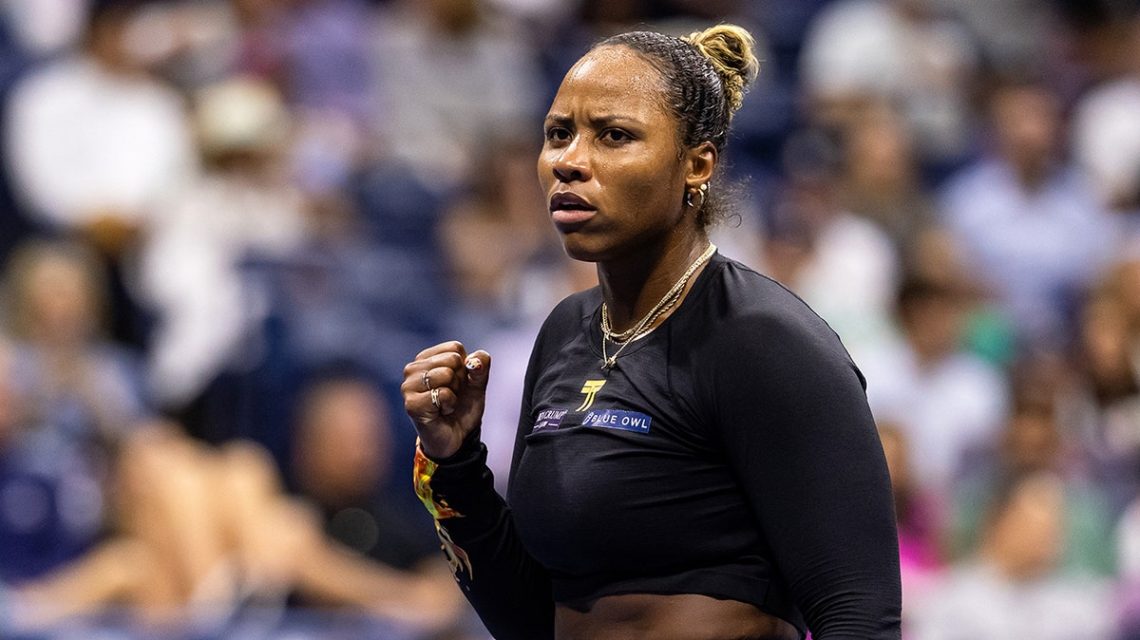
The discourse surrounding race in sports continues to be a significant topic. Athletes often use their platforms to address not only their achievements but also broader social issues. Taylor Townsend, a talented Black tennis player, has recently garnered attention for her statements on race following her Grand Slam victory in women’s doubles.
In 2026, Townsend completed the career Grand Slam in women’s doubles. Alongside her partner Katerina Siniakova, she won the US Open title, defeating Ashlyn Krueger and Robin Montgomery. Townsend’s accomplishments on the court are remarkable, and she has utilized her success to speak on racial representation in tennis.
Following her victory, Townsend took the opportunity to discuss Black representation and pride. Her comments reflect a broader message about the importance of recognizing diversity within sports. Townsend’s dedication to spreading this message highlights her desire to inspire others.
Taylor Townsend has been vocal about representation in the past. At the 2025 US Open, she stated, “I wanna say thank you to everyone who supported me… It’s bigger than me. It’s about the message and representation.” Her remarks aim to emphasize that success is achievable for athletes of all backgrounds.
The conversation about race in tennis isn’t new. Townsend and other athletes like Serena Williams serve as examples of Black excellence in the sport. The Arthur Ashe Stadium, named after a legendary Black tennis player, underscores the historical presence of Black athletes on this stage.
There are differing viewpoints on the role of race discussions in sports. Some express fatigue, arguing that merit and sportsmanship should be at the forefront. Others recognize the ongoing challenge of ensuring equality and representation.
Taylor Townsend’s efforts to address racial issues illustrate her commitment to fostering change and encouraging dialogue. While these discussions might provoke various opinions, they remain an integral part of sports culture today.
 The Quest for the Knuckleball Dream
 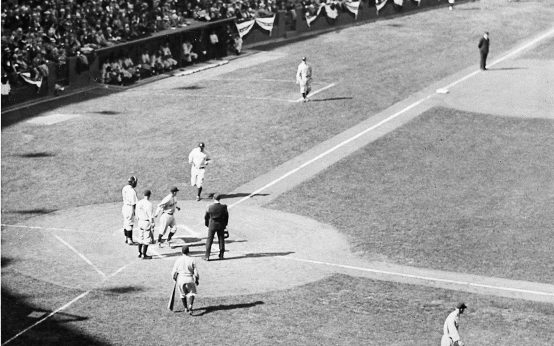 Historical Events in Chicago on October 1st
  Stephen A. Smith Discusses Houston Texans’ Critical Matchup Against Dallas Cowboys
 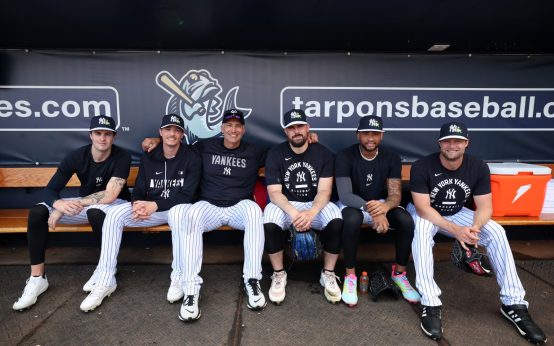 CC Sabathia Anticipates Yankees’ Game 1 Pitcher for ALDS After Beating Red Sox
 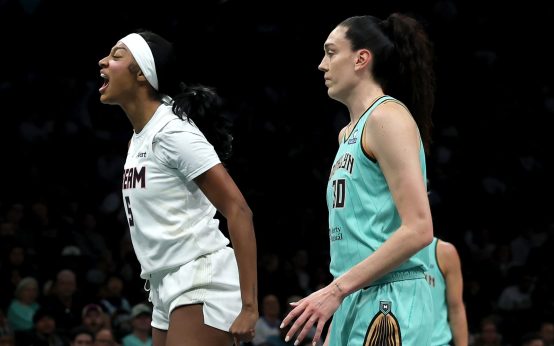 Atlanta Dream Progress to WNBA Semifinals
 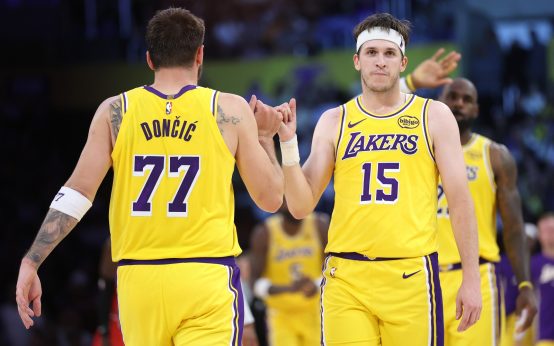 Los Angeles Lakers Focus on Defense in Luka Doncic Era