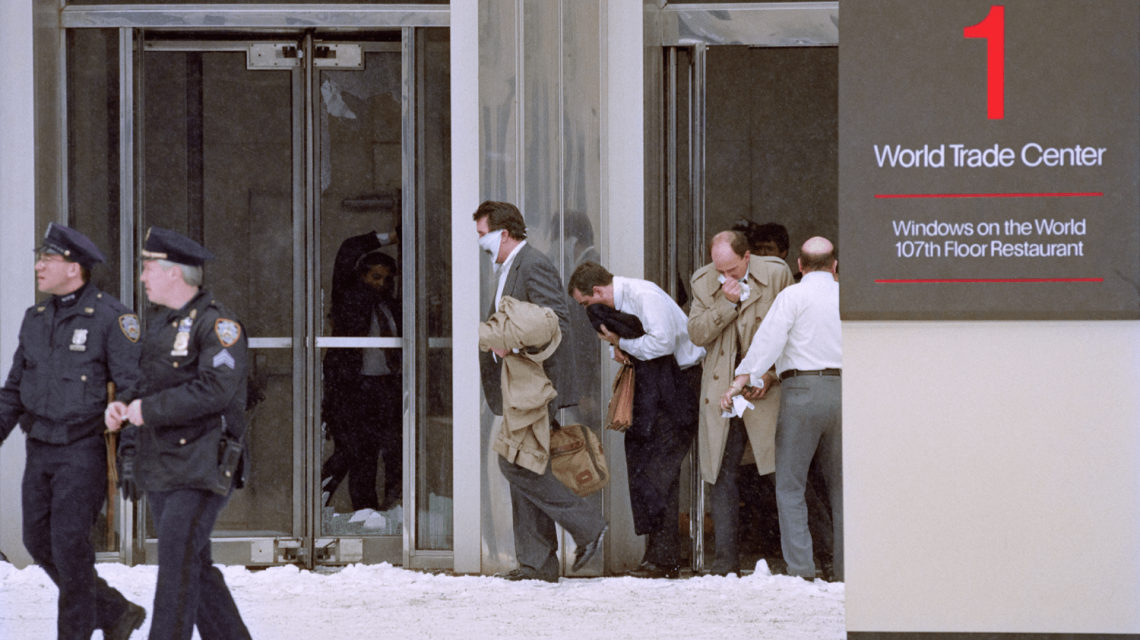
In the build-up to the September 11 attacks, Khalid Sheikh Mohammed (KSM), the key planner behind the plot, maneuvered through international travel using fabricated identities. On August 13, 2001, KSM sought an Australian visa with a false Saudi passport under the alias Abdulrahman al Ghamdi. Although he received the visa, he never utilized it. With the same alias and passport, he successfully obtained a U.S. B-1/B-2 visa on June 23.
KSM, a Pakistani national who received his education in the United States, played a crucial role in numerous terrorist activities. He graduated in 1986 from North Carolina Agricultural and Technical State University. Following his degree, he joined the Afghan jihad against the Soviet Union where he encountered Osama bin Laden. Post-Soviet defeat, KSM relocated to Pakistan to organize various terror plots.
His involvement extended to the 1993 World Trade Center bombing and a thwarted scheme in the Philippines that targeted airliners. His alias, Abdulrahman, was employed during these plots. In 1996, despite being indicted for terrorist activities, including the Philippines plot, and an unsuccessful rendition attempt due to Qatar’s interference, his identity was not widely compromised.
KSM evaded sustained scrutiny even after being placed on the U.S. TIPOFF watch list. Under this alias, he instructed Mohammed Atta, Marwan al-Shehhi, and Ziad Jarrah, known as the Hamburg trio, on security and preparation for their mission in the United States.
“At the height of the July 2001 terrorism panic, no one in the State Department, immigration, the FBI, or the intelligence community noticed.”
The Top Secret Joint Inquiry into activities before and after 9/11 revealed substantial oversights by the Intelligence Community. They had prior knowledge linking KSM to Bin Laden, aircraft-as-weapons plans, and activity in the U.S., but their focus on his location overshadowed attention to his broader role within al-Qaeda.
The inquiry criticized intelligence entities for not appreciating June 2001 reports on KSM’s role in sending operatives to the U.S. No intelligence collection targeted his facilitation of terrorist activities. It was over a year later that his crucial role in the 9/11 attacks came to light, an unexpected revelation to the Intelligence Community.
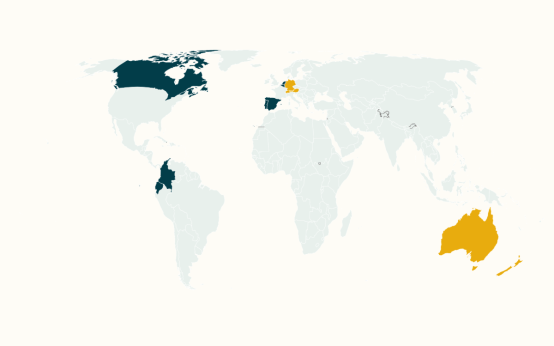 Dutch Review Board’s Euthanasia Ruling and International Debate
 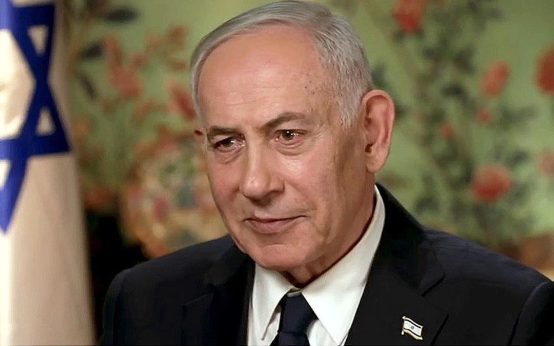 Israeli PM Commends Heroic Actions in Flight Emergency
 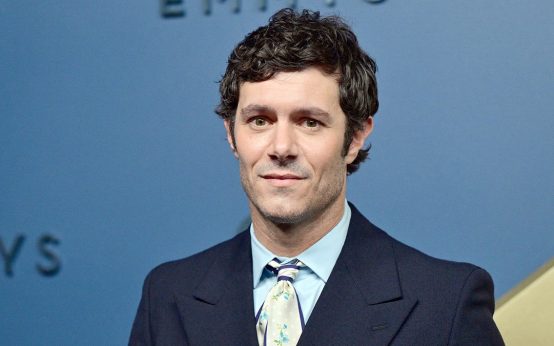 Rabbi and Jewish Leaders Criticize Adam Brody for ‘Genocide’ Comment
  Flydubai’s Emergency Landing Highlights Cockpit Security
 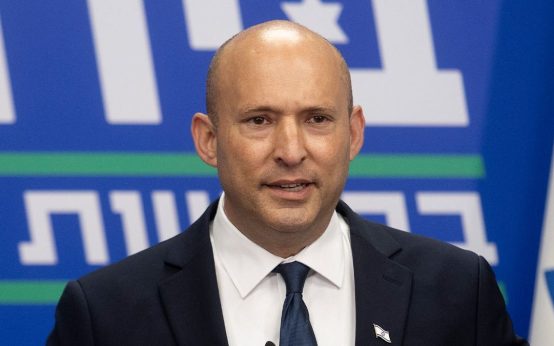 Former Israeli PM Naftali Bennett Commends Passengers and Crew for In-Flight Heroism
 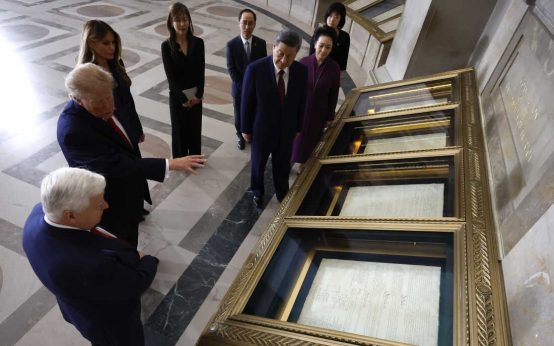 Diplomatic Complexities Unfold at U.S. National Archives Visit