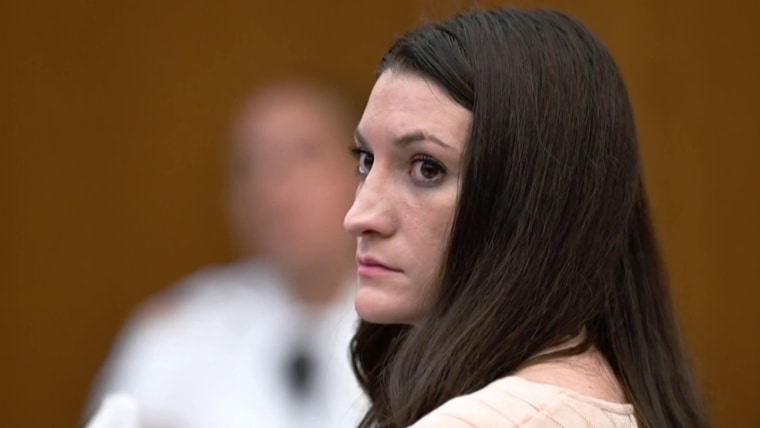
Lindsay Clancy faced overwhelming challenges before the tragic incident involving her children. In the months leading up to the event, Clancy sought help through various means, consulting psychiatrists, calling a suicide hotline, and visiting emergency rooms, yet receiving limited support. Despite being prescribed 13 different medications over four months, her symptoms persisted.
Tragic Events and Charges
Lindsay Clancy, 36, faces charges of murdering her children—Cora, 5; Dawson, 3; and Callan, 8 months—on January 24, 2023. After this, she attempted suicide by jumping from her bedroom window but survived.
Prosecution’s Case
In Clancy’s trial, prosecutors spent six weeks presenting their case, involving 70 witnesses. They argued that Clancy planned the murders and manipulated situations to carry them out. They claimed she sent her husband out of the house to facilitate her actions.
Defense Claims
Clancy’s defense argues that postpartum psychosis influenced her actions. This rare condition can severely distort reality for new mothers. Her defense team stated that Clancy acted under hallucinatory directives, compelling her to harm her children and herself.
Throughout the trial, questions arose about the adequacy of the care Clancy received. Medical providers adjusted treatments based on her reactions to prescribed medications. However, communication gaps were evident, with providers sometimes lacking access to her comprehensive medical records.
Insights from Mental Health Experts
Experts like Dr. Veerle Bergink and Dr. Tracy Moran Vozar provided insights during the trial. They emphasized systemic issues in healthcare, particularly concerning mental health treatment. Dr. Bergink pointed out that Clancy’s adverse reactions to antidepressants should have indicated a need for diagnosis beyond postpartum depression.
“During multiple occasions, the diagnosis was missed and she did not get the right treatment.” — Dr. Veerle Bergink
Both experts highlighted communication failings within healthcare systems, which are crucial when treating patients with severe mental health conditions.
Timeline of Clancy’s Medical Care
The legal proceedings provided a detailed view of Clancy’s attempts to seek help and the treatments she received:
September 2022
Clancy first consulted with Dr. Jennifer Tufts in mid-September, experiencing severe anxiety, a lack of pleasure, and other symptoms. Diagnosed with anxiety and adjustment disorders, she was prescribed Zoloft, an antidepressant, which resulted in worsened symptoms.
October
In October, Clancy’s condition continued to decline as she reported severe anxiety, persistent crying, and sleep disturbances. Additional medications like Ativan, Buspirone, and Hydroxyzine were prescribed.
November
Despite ongoing treatment, Clancy experienced worsened insomnia and anxiety. Further medication changes included Trazodone, Prozac, Mirtazapine, and Clonazepam. She also reported adverse reactions and sought emergency care.
December
Clancy sought inpatient treatment but was dismissed as not meeting criteria. Continued struggles led to medication adjustments, including Seroquel and Lamotrigine. Despite efforts, her condition remained severe.
January 2023
In January, further consultations revealed Clancy’s ongoing depression. Efforts to revise her medication plan, including the addition of Amitriptyline, did not alleviate her symptoms effectively.
Conclusion
The trial underscores significant challenges in accurately diagnosing and treating severe postpartum mental health conditions. Clancy’s tragic case highlights the need for improved communication and diagnosis within mental healthcare systems.
If you or someone you know is in distress, reach out to the 988 Suicide & Crisis Lifeline for support.