Increasing Shoplifting Rates Among Americans
Recent survey data from LendingTree highlights a significant increase in American shoplifting rates. Nearly 12 percent of Americans report regular shoplifting, an almost twofold increase from two years prior. This trend reveals complexities beyond a mere response to inflation.
While admission of theft has risen, fewer individuals claim economic hardship as their motive. In 2024, 6.1 percent of respondents stated they shoplift regularly, compared to 11.5 percent in 2026. This rise is notably pronounced among men, whose shoplifting rates increased from 8 percent to 15.6 percent, and parents of minors, escalating from 9.8 percent to 19.7 percent.
Shifting Motivations Behind Shoplifting
The data signifies a potential evolution in theft behavior. While fewer shoplifters cite financial necessity, a growing share might view their actions as habitual or as a stance against larger economic forces. Kevin Thompson, CEO of 9i Capital Group, interprets this as a backlash against corporate capitalism, indicating an emergent sentiment of frustration amongst consumers.
Only 19.1 percent of shoplifters in 2026 cited affordability as a reason, down from 33.9 percent in 2024. Additionally, those stealing “to make ends meet” dropped from 29.5 percent to 17.2 percent. “To save a few dollars” rationale fell from 26.5 percent to 16.7 percent.
Men vs. Women in Shoplifting Statistics
The trend shows men are consistently more likely to shoplift compared to women. In 2026, 36.3 percent of male respondents acknowledged past shoplifting against 23.2 percent of females. Regular shoplifting was reported by 15.6 percent of men versus 5.5 percent of women.
Inflation’s Role in Shoplifting Trends
Despite a cooling inflation rate, its impact persists in consumers’ rationale for shoplifting. By mid-year, the Consumer Price Index had risen 3.5 percent over the previous year. In the 2026 survey, 89.6 percent of participants agreed that inflation and the current economy motivate their shoplifting behavior.
Even as inflation contributes to the issue, many shoplifters increasingly dissociate rising costs from their actions. Food and beverages remain the most stolen items, with other common thefts including clothing, hygiene products, and even baby items.
Challenges for Retailers
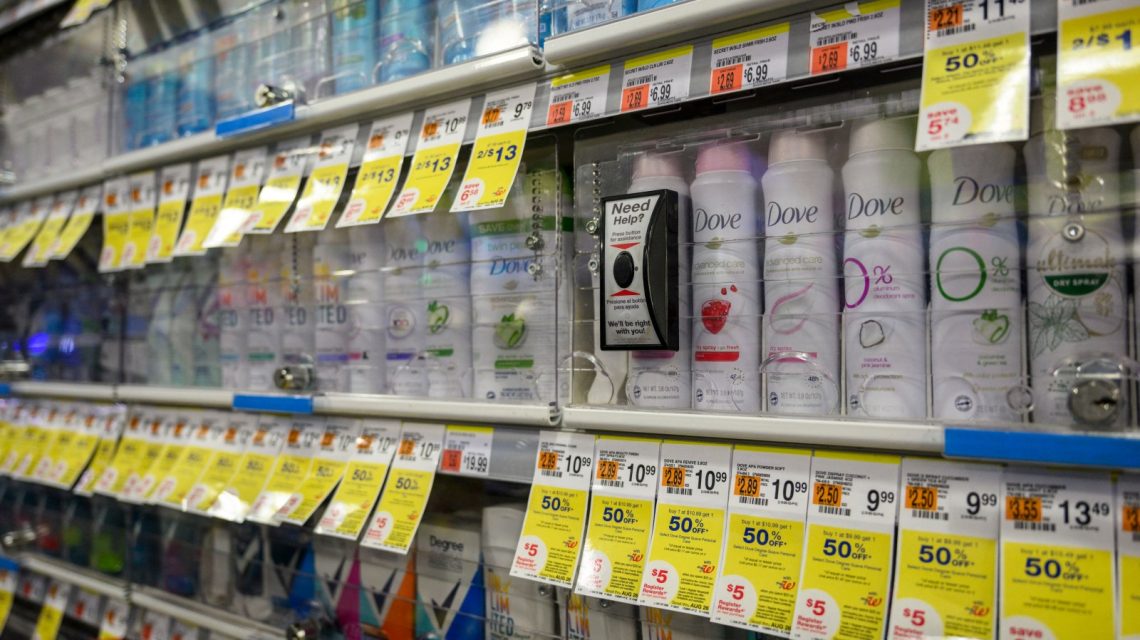
Retail theft poses ongoing challenges, influencing operating expenses and consumer prices. The recurrence of shoplifting events amplifies costs, making prevention more challenging than isolated incidents.
The survey indicates 47.6 percent of shoplifters have been caught before, and enforcement outcomes vary from arrest to warnings without consequence. For retailers, continuous investment in security measures might become necessary as perceptions towards theft continue to evolve.
Experts warn that the increased focus on security could affect the overall shopping experience. Financial educator Alex Beene emphasizes that bolstered security may complicate shopping for everyone, not just those involved in theft.