
In the summer of 2001, a group of former Cabinet-level officials and experts gathered near Washington, D.C., to participate in a war game. Their objective: assess the nation’s readiness for a biological weapon attack. The scenario they were testing involved the potential release of a smallpox pathogen.
This exercise underscored the vulnerability of nations to biological threats. The danger posed by such weapons remains significant. Biological agents can cause widespread harm and disrupt societies on a vast scale. This makes understanding and preparing for these threats essential.
Smallpox, for instance, is a highly contagious and deadly virus. Although eradicated in the natural world, it still exists in some laboratories. Its potential for misuse as a weapon is alarming. The rapid spread and high mortality rate of smallpox make it a serious threat in the context of bioterrorism.
Efforts to combat these dangers include international treaties, enhanced detection systems, and improved public health responses. Investments in research and development are crucial to better protect societies against such risks.
The 2001 exercise highlighted the crucial need for preparedness. Governments and institutions must remain vigilant and continue to strengthen their defenses. Ensuring readiness can mitigate the impact of biological threats, preserving public safety.
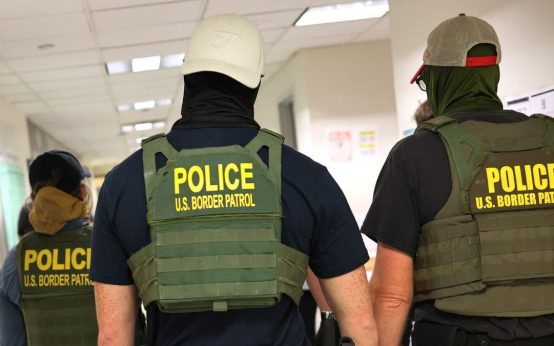 The Surveillance Threat to U.S. Federal Agents
  Trump Administration Distributes ACA Refund Checks
  Trump Administration’s Approach to Illegal Alien Deportations
 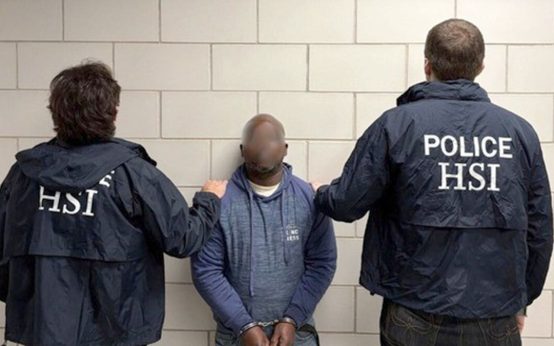 New Jersey Voter Fraud Prompts Renewed Push for SAVE Act
  Concerns Over Changes to Voter-Registration Form for Americans Abroad
  Trump’s 2024 Campaign Targets Young Men Through Cryptocurrency