
Historically, cities experienced growth and prosperity due to geographic advantages. Many were strategically positioned along rivers, ports, or near vital natural resources. Others were centers of empires, religion, or hubs for important institutions like universities and museums. These locations benefited from significant economic booms that influenced development.
However, concepts such as the Creative Class and Global City once dominated urban planning and policy discussions. These ideas, which emphasized attracting skilled professionals and fostering international connectivity, experienced a decline. The momentum behind these concepts waned as challenges emerged, such as economic inequality and inadequate infrastructure.
Today’s cities must evolve to address these shortcomings effectively. Replacement strategies should focus on delivering equitable opportunities, sustainable growth, and improved quality of life for all residents. This demands comprehensive planning that integrates transportation, housing, and community services.
Urban policy must also adapt to climate change concerns, ensuring cities are resilient and environmentally friendly. Collaborative efforts between local governments, private sectors, and community organizations are crucial for forming viable solutions. These approaches will forge paths for cities to thrive amidst shifting global dynamics.
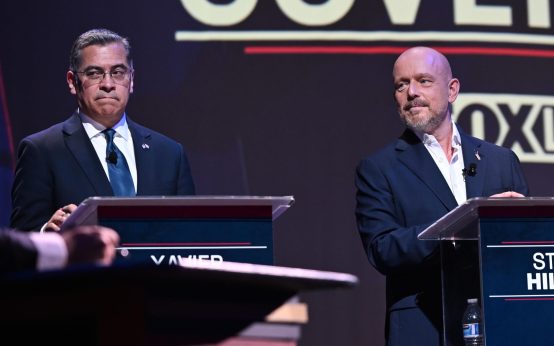 Becerra and Hilton Clash in California Gubernatorial Debate
  California Voters to Decide on $7.5 Billion State Research Fund
 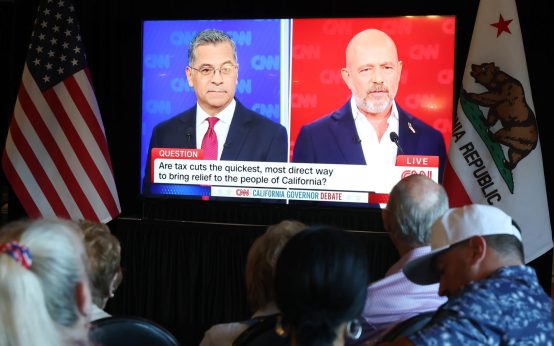 Highlights from the California Gubernatorial Debate: Becerra vs. Hilton
 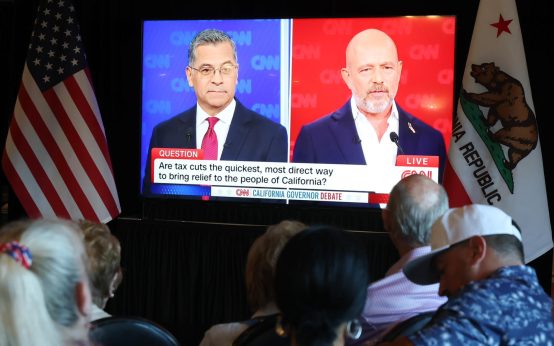 Becerra vs. Hilton: The Debate and Key Issues in the California Governor Race
  Senate Confirms New Labor Secretary
 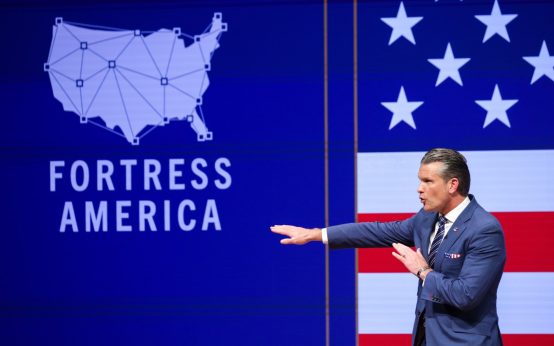 Hegseth’s Ambitious Military Initiatives to Reshape Warfare