Silicosis Found Among Countertop Workers in California
Hundreds of workers in California who make engineered-stone countertops have developed silicosis. This incurable lung disease occurs when fine silica dust is inhaled.
According to a report from the California Department of Public Health (CDPH), 592 cases were confirmed between January 2019 and June 2026. Out of these, at least 31 workers have died and 65 have required lung transplants.
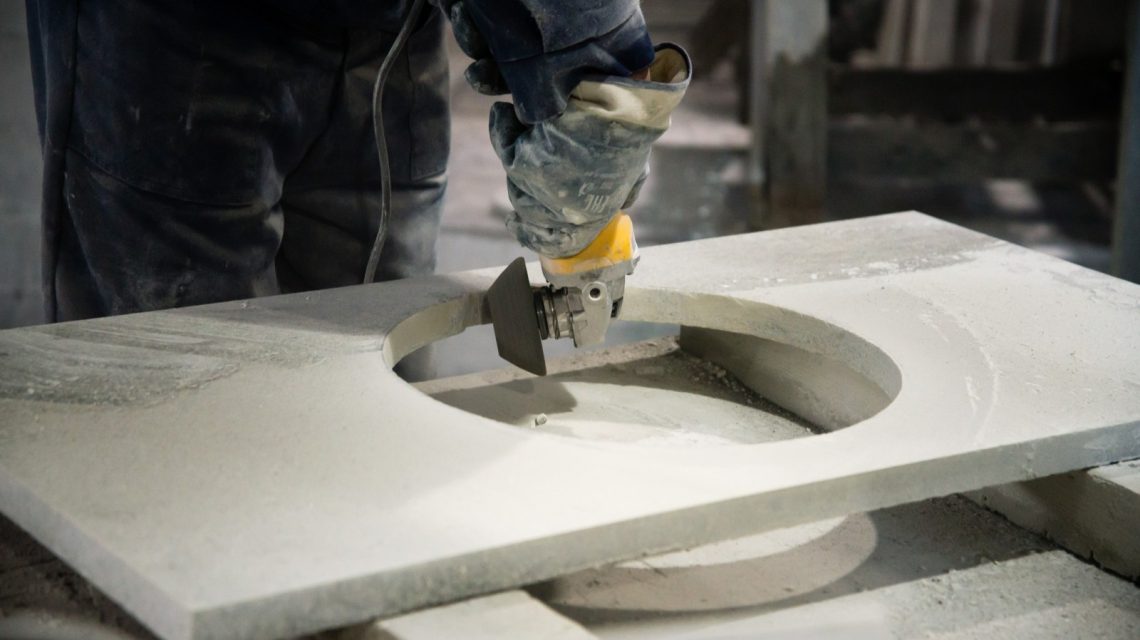
The disease has raised concerns about the safety of workers who manufacture, cut, grind, polish, and install engineered-stone countertops. These materials, often marketed as quartz, contain high levels of crystalline silica.
Understanding Silicosis
Silicosis is a progressive lung disease caused by respirable crystalline silica particles. These fine particles become airborne during cutting or grinding, posing risks to those exposed.
Once inhaled, silica particles lodge deep within the lungs, leading to inflammation and scarring. Silicosis can progress to severe disability or death. It’s also linked to conditions like lung cancer, chronic obstructive pulmonary disease, kidney disease, and autoimmune disorders.
Symptoms include a persistent cough, fatigue, shortness of breath, and chest pain. However, the disease can develop without visible symptoms, making early diagnosis crucial.
According to the National Institute for Occupational Safety and Health (NIOSH), silicosis is irreversible but preventable.
Silicosis Across the U.S.
California is witnessing the largest known silicosis cluster, yet cases are present in other states. A 2019 CDC report revealed silicosis cases in California, Colorado, Texas, and Washington.
Engineered-stone workers across the country are at risk, particularly during cutting, grinding, or polishing activities.
Protecting Workers from Silica Exposure
The identified workers are mostly young immigrant men from Mexico and Central America. Cases often involve poor dust control and delayed diagnosis.
NIOSH and the Occupational Safety and Health Administration (OSHA) have updated hazard alerts for those in stone manufacturing, finishing, and installation.
Workers with significant exposure should consult healthcare professionals even if symptoms are absent. Doctors should inquire about work history and consider testing for exposed individuals.
Inquire about employer measures such as wet cutting, exhaust ventilation, and enclosures to limit airborne silica dust. Respiratory protection may also be necessary.
The main risk is inhaling silica dust during fabrication, not using a countertop at home.
 Increased Funding Needed for Psychiatric Hospitals
  Trump Administration Distributes ACA Refund Checks
  Higher Consumption of Ultra-Processed Foods Linked to Increased Health Risks
  Understanding Inflammation: Myths and Facts
  Calm Parenting: Strategies to Manage Stress
  Trump’s Executive Order to Combat Mosquitoes and Ticks in D.C.