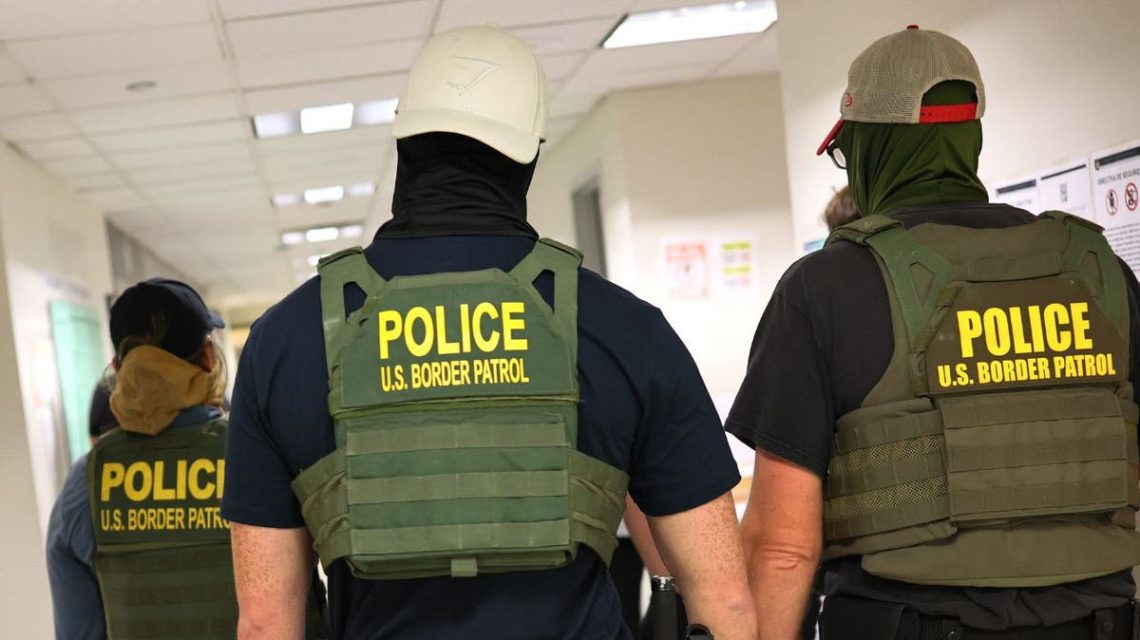
Fox News reports on a concerning surveillance threat impacting federal agents working in Mexico.
The Hack on an FBI Attaché
A hacker affiliated with the Sinaloa cartel targeted an FBI assistant legal attaché based in Mexico City. Using the official’s phone number, the hacker gathered call records and location data. This data enabled the hacker to use Mexico City’s camera network to track the official’s movements and identify their contacts. The cartel wielded this intelligence to intimidate potential informants and witnesses, and in some instances, to carry out killings. This situation underscores a deadly lesson: adversaries don’t need physical surveillance when commercial data does much of the work for them.
The Justice Department Inspector General’s report cautions: ‘Our adversaries exploit ubiquitous technical surveillance (UTS), affecting the department’s operations and increasing risk for its personnel.’
Impact on Homeland Security and Law Enforcement
For every Homeland Security and law enforcement official, the audit’s findings are troubling. The deficiency in action against UTS threats places employees, investigations, and sources are at increased risk. Agents have resorted to wearing masks or neck coverings during patrols or raids to protect their identities.
Technological advancements rapidly alter the threat landscape. The availability of inexpensive, commercially available data presents unacceptable risks. Solutions are necessary to counter these threats effectively.
Examples of Surveillance Threats
During his tenure as acting director of Immigration and Customs Enforcement, Todd Lyons experienced these threats firsthand. In October 2025, DHS reported cartels placing bounties on ICE and Customs officers in Chicago. Figures ranged from $2,000 for intelligence gathering to $50,000 for targeting high-ranking officials. Officers’ risks extend beyond professional duties into personal lives.
Consider a task-force officer; after raiding a cartel stash house, the officer returns to the community where their family lives. This proximity exposes not only the officer but their entire family to threats.
Data Economy Risks
The commercial data economy allows minimal effort for adversaries to collect critical information. Duke University researchers uncovered that sensitive records on U.S. military personnel can be purchased for mere cents. Similarly, a WIRED investigation traced devices linked to U.S. military sites using commercial location data, revealing home and school locations.
Understanding these vulnerabilities demonstrates the need for better data protection for federal agents, similar to tactics used during the Global War on Terrorism.
Steps for Enhanced Protection
A robust program to check what adversaries can see about agents should be implemented. Agencies need to help eliminate addresses from broker sites, secure family accounts, and streamline threat reporting processes. This protection must be integral to the job, with dedicated resources and accountability.
Outlines from DHS indicate cartel bounties and threats to officers are serious. The administration’s designation of six Mexican cartels as foreign terrorist organizations reinforces the need for comprehensive protective measures for law enforcement personnel.
Proactive Measures Needed
Congress should grant clear authority and funding to facilitate these protections. Insights from the Mexico City case highlight the danger when surveillance breaches affect an American official and those around them. Address leaks, location histories, and family profiles risk entire households.
Acting before another tragedy ensues is crucial to safeguard agents and their families against exposure. Proactive measures must be instituted promptly.
Author: Todd Lyons, Senior Vice President of U.S. Homeland Security and International Affairs at Navigators Security and Defense, former acting director of U.S. Immigration and Customs Enforcement.
 President Trump’s Pre-Midterm Interview on Key Issues
  Trump’s 2024 Reelection and Evolving Voter Dynamics
  Defense Secretary Emerges as Key Player in the Trump Administration
  Hegseth’s Vision for the Military: Balancing Tradition and Innovation
  Significant Funding Boosts Ken Paxton’s Texas Senate Campaign Amid Tight Race
  U.S. States Extend Gas Tax Waivers Amid Rising Fuel Costs Due to Iran Conflict