The Women’s National Basketball Association (WNBA) faces a significant challenge in defining what it means to be a women’s league. Almost three decades in, this question remains unresolved. The league was established by women, for women, to provide a platform for female athletes to compete and be recognized.
However, the WNBA seems hesitant to settle on a simple definition: What is a woman? The answer, grounded in basic biology, is that a woman is an adult human female.
“A women’s basketball league cannot answer a simple question: What is a woman?”
This question has gained prominence, especially in the political arena. Even leaders like Governor Tim Walz struggled to answer it during a public hearing. The debate centers around whether this stance has become politically controversial, spurred by narratives suggesting individuals can change gender identity through choice.
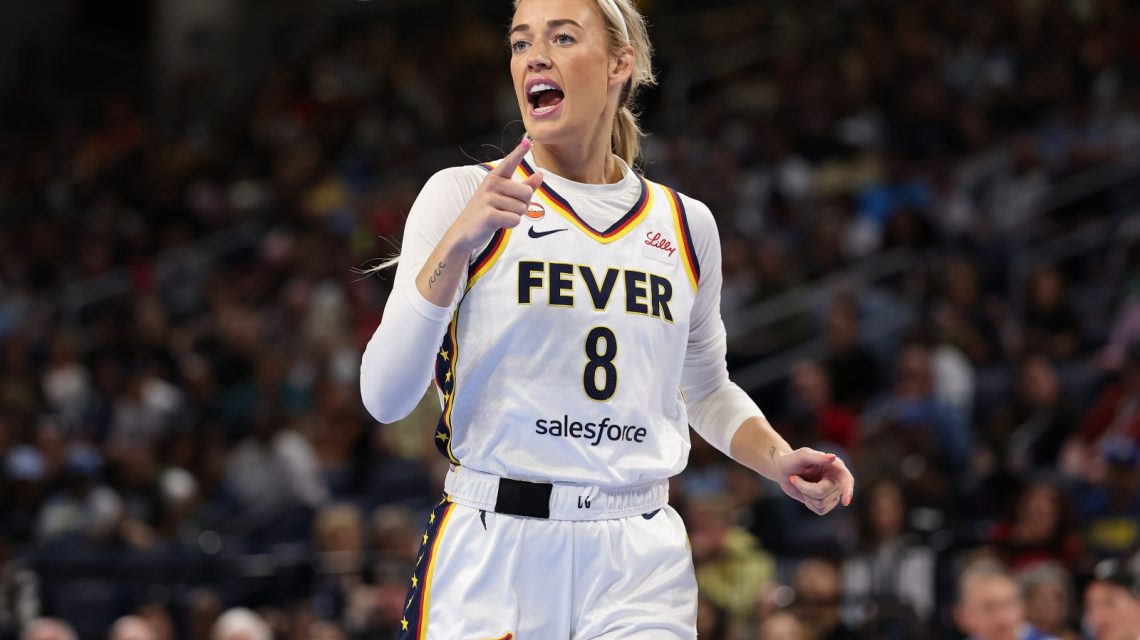
Indiana Fever’s Sophie Cunningham publicly stated that girls should not compete against biological men in sports. Her statements ignited social media backlash and protests. Despite this, she reaffirmed her stance as common sense, asserting it as a matter of biological fact.
The controversy intensified when Minnesota Lynx coach Cheryl Reeve wore a “trans kids belong” shirt. This sparked further debate, with critics arguing against the idea of trans identities being valid for young individuals.
The issue hit a critical point when a mother and daughter were asked to cover up or leave a game for wearing shirts deemed offensive. They believed that biological distinctions should be acknowledged, even at women’s sporting events.
Former NBA players Enes Kanter Freedom and Royce White declared for the WNBA draft, challenging the league’s criteria for player eligibility based on gender identity. The WNBA’s collective bargaining agreement states that only women can play, but does not elaborate further.
The broader question remains: How does the WNBA navigate the demand to uphold its founding principles while adapting to changing societal views on gender?
This discussion is not about exclusion but about affirming the league’s original purpose. The WNBA must now decide whether to continue discussions with task forces or to stick to its foundational values—created by women, for women.
Nancy Mace represents South Carolina’s 1st Congressional District as a Republican. Her views in this piece reflect personal opinions.
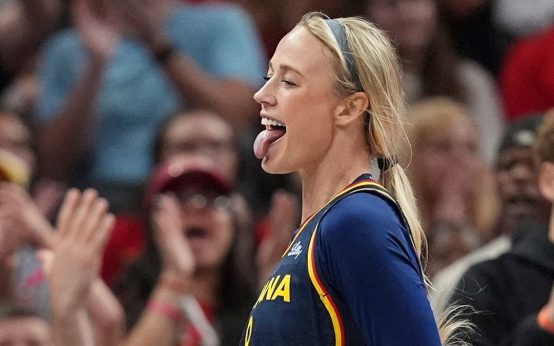 Fever’s Cunningham Speaks Up on Wilson Incident
  Sunday Edition: Sports Highlights and Weekend Musings
 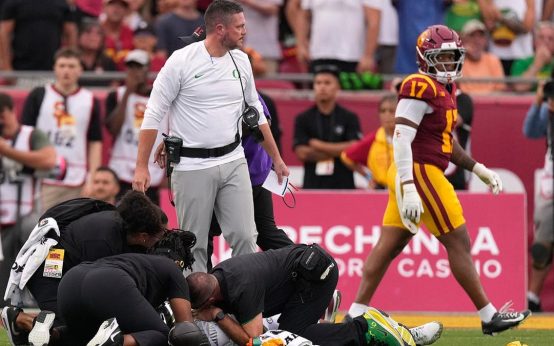 Dan Fouts Reflects on Violent Football Incident
  Dodgers Begin NLDS Against Braves: Key Details and Roster Decisions
 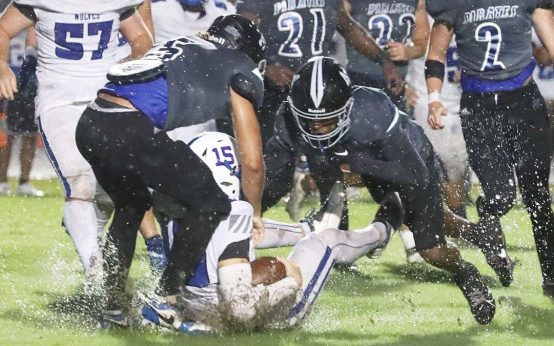 High School Football Tensions Flare in Central Florida
 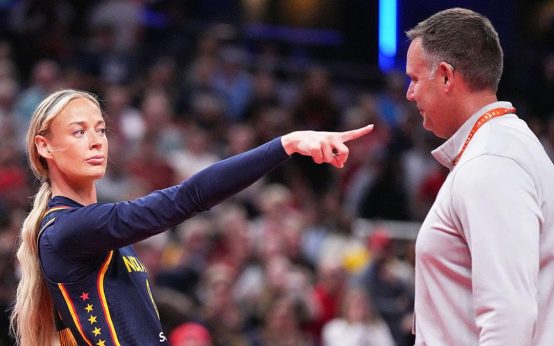 Indiana Fever’s Tumultuous Season and the WNBA’s Cultural Storm