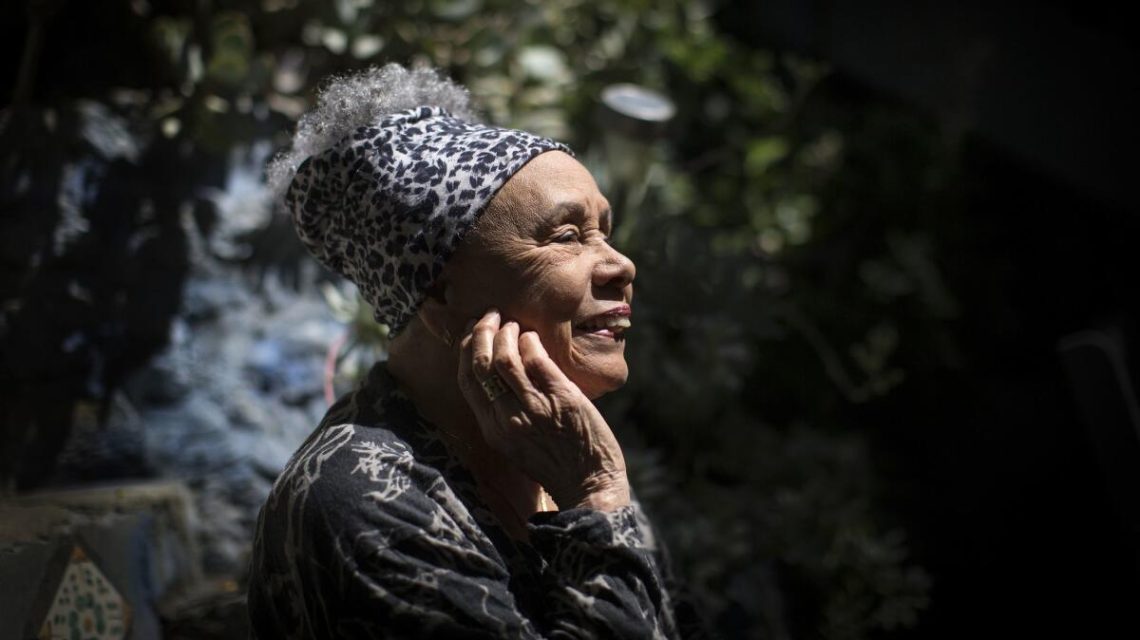
Los Angeles artist Betye Saar, renowned for transforming collections of racially charged objects into powerful assemblage artworks, influenced generations of artists. Saar passed away in her sleep at 99, shortly before her 100th birthday. Her long-time gallerist, Julie Roberts of Roberts Projects, confirmed her death.
“Betye Saar was one of the greatest artists of our time,” said Roberts, highlighting Saar’s lasting impact on contemporary art.
Early Life and Inspirations
Born in Los Angeles on July 30, 1926, Betye Irene Brown was the eldest child of Jefferson Maze Brown and Beatrice Lillian Parson. Her father passed away when Saar was around five, prompting the family to move to Pasadena. Her mother’s encouragement of crafts led Saar toward art.
Saar was inspired by Simon Rodia’s Watts Towers during summers with her grandparents and later pursued design at UCLA, briefly working as an interior decorator.
Artistic Journey
Saar initially started as a designer of greeting cards and home accessories. Her career took a transformative turn with “The Liberation of Aunt Jemima” in 1972, marking her ascendancy in the Black Arts Movement. This piece was a pivotal entry in the annals of civil rights art.
Her assemblage art, utilizing found objects, delved into the harsh history of race in America while also addressing personal themes. In the 1960s and ’70s, Saar balanced creative work with part-time teaching and costume design to support her family.
Impact and Legacy
Her work both critiqued and recontextualized derogatory imagery, transforming it into symbols of empowerment, notably with the iconic mammy figures. Her art conveyed strong political messages during key movements such as the civil rights and Black power movements.
Saar’s influence can be seen in the careers of artists like Houston Conwill, Senga Nengudi, and David Hammons. Her multimedia practice encompassed global influences, including African and Haitian elements.
Her work remains in the collections of over 80 international museums. Despite limited retrospective shows in Los Angeles, her impact on the art world endures.
Continued Creativity
Even in her 90s, Saar maintained daily art-making routines, showcasing her work until her passing. “Drifting Toward Twilight” at the Huntington Library reflected her lifelong passion for nature.
In 2025, she established the Betye Saar Legacy Group to preserve her archive and influence future artists. A biography by Zoé Whitley is forthcoming, solidifying her storied life.
Saar is survived by her daughters—Lezley, Alison, and Tracye—and her grandchildren. Her enduring legacy as a trailblazer in assemblage art continues to inspire diverse audiences worldwide.
 Readers React to Miss Manners Column
 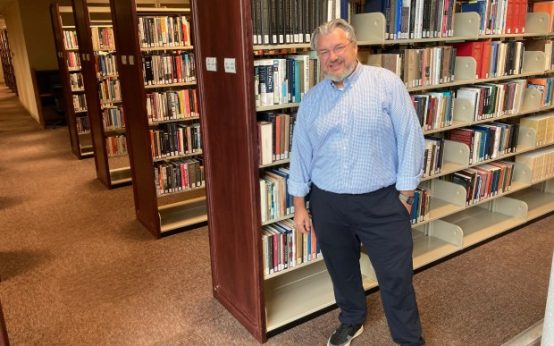 Troy Swanson: Award-Winning Librarian Transforming Academic Libraries
  Lisdoonvarna Matchmaking Festival: A Unique Tradition
 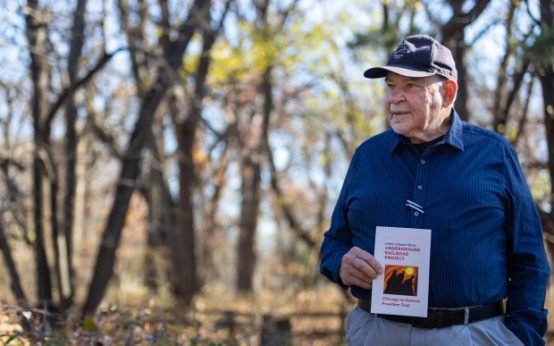 Midwest Underground Railroad Network Gains National Recognition
  Art Collective Critiques Administration with Mall Installation
 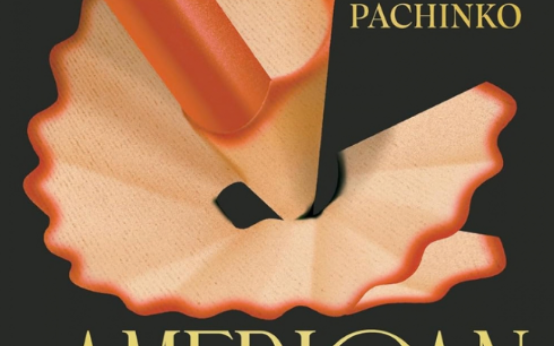 American Hagwon: A Tale of Family and the Korean Diaspora