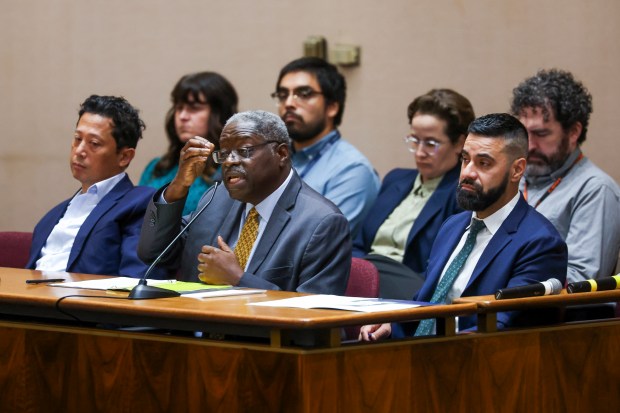
In the coming month, a new governing board will take over at the Chicago Transit Authority (CTA). Seven members will occupy the West Loop boardroom, with electing a chair as one of their initial tasks. Lester Barclay, chair of the current CTA board, has expressed interest in staying involved despite coyness regarding his leadership ambitions. However, he emphasized his respect for the process, stating, “If asked, I wouldn’t mind serving.”
The transition is part of broader governance reforms mandated by recent transit funding legislation. This law consolidates power and provides over $1 billion annually for public transit. On September 1, all existing board members will see their terms expire, paving way for new appointees, though some members are reappointed. As the date approaches, there is maneuvering among transit insiders for positions within the new structure.
Barclay is a contentious figure in Chicago’s transportation politics. Critics see him as representing the old guard, yet he was appointed this summer to both the new CTA board and the Northern Illinois Transit Authority (NITA) board by Chicago Mayor Brandon Johnson. NITA is intended as a more efficient and financially stable version of the Regional Transportation Authority. Critics have challenged Barclay for his previous opposition to transit reforms, his leadership under former CTA President Dorval Carter Jr., and his infrequent use of CTA services.
Some advocate for new leadership on the CTA board. Kyle Lucas from Better Streets Chicago argues the reform mandate aims for a fresh start to build the transit system Chicagoans desire. Advocates want existing leaders to prove their ability to elevate the system. Alderman Matt Martin echoed this sentiment, emphasizing the need for leadership with transportation expertise capable of uniting activists and experts.
Juan Sebastian Arias, Executive Director of Elevated Chicago, noted the value of experience in the next chair, combined with a vision to tackle upcoming opportunities. Although the new CTA board will wield less power due to increased NITA oversight, it retains operational influence. Decisions on CTA’s presidency, currently under interim leadership, will involve both boards. Alderman Andre Vasquez Jr. recently questioned Barclay about transparency during a committee meeting. Despite facing criticism, Barclay navigated the City Council appointment process successfully, albeit with a divided confirmation vote.
Incoming board members include returning Michael Eaddy and Neema Jha, nonprofit executive Nedra Sims Fears, Columbia College’s Ann Kalayil, and RTA board members Oswaldo Alvarez and Tom Kotarac. This group will select a chair, subject to Illinois Senate approval, after NITA picks its leader on September 10. State Senator Ram Villivalam, instrumental in the transit reform, stated that lawmakers seek leadership accountable for providing safe, reliable, accessible, and integrated transit services.
Barclay invited the Tribune to ride the Green Line last week through Englewood where he grew up. Despite previous criticism, he highlighted development prospects near transit lines. Though supporting reform, Barclay previously questioned NITA’s increased decision-making power over CTA. He remains cautious about potential suburban influence on CTA’s operations.
Nik Hunder, a transit advocate obtaining ridership records, criticized Barclay for insufficient CTA usage. Barclay defended his record, citing recognition as the board chair leading to fare gate access and occasional personal Ventra card use. He claimed a weekly CTA riding frequency, refuting critics’ narrow focus without broader context.
Barclay’s transit experience stems from years as CTA’s outside legal counsel with involvement in labor disputes, plus short stints during the 1970s. Under Barclay’s chairmanship, the board oversaw CTA’s leadership change amid public dissatisfaction, first with Carter and currently with interim President Nora Leerhsen, known for popularity among advocates. CTA presidency now requires dual board approval post-reform.
Barclay expressed openness to leadership candidates from within and outside the state, waiting for the established process. He concluded, “Anything can happen” in Chicago, highlighting the city’s dynamic possibilities.
 Defense Secretary Emerges as Key Player in the Trump Administration
  Hegseth’s Vision for the Military: Balancing Tradition and Innovation
 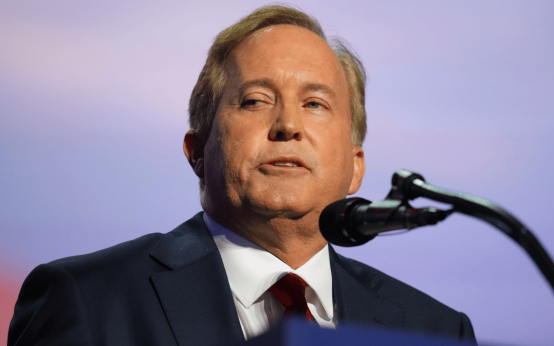 Significant Funding Boosts Ken Paxton’s Texas Senate Campaign Amid Tight Race
  U.S. States Extend Gas Tax Waivers Amid Rising Fuel Costs Due to Iran Conflict
  USCIS Raises Immigration Fees
  The Surveillance Threat to U.S. Federal Agents