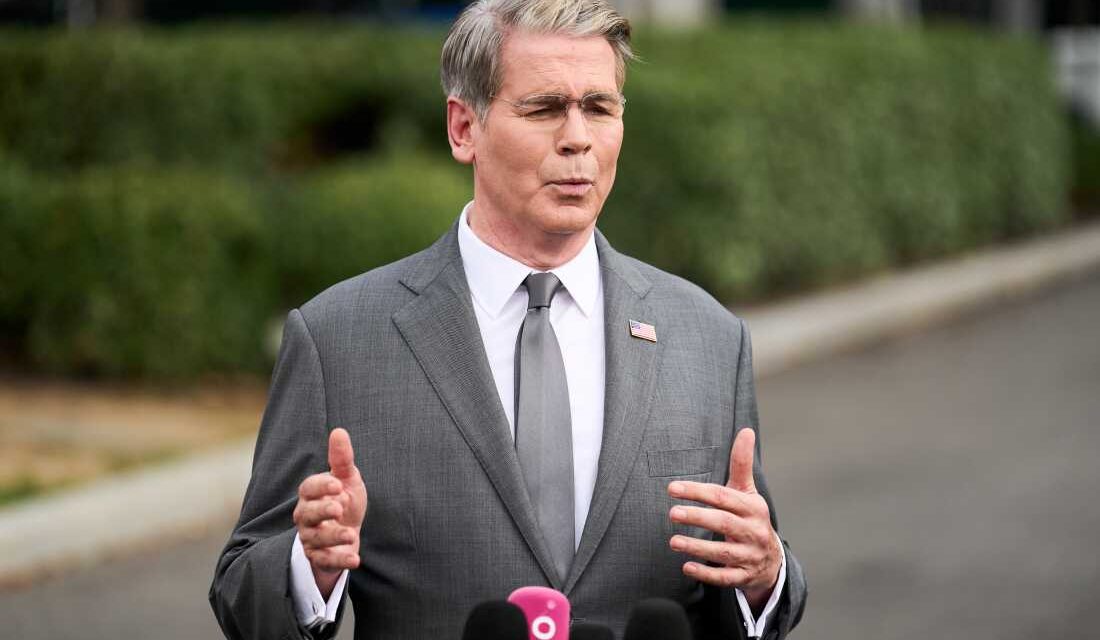
Treasury Secretary Scott Bessent spoke to the media outside the White House, announcing a forthcoming round of economic sanctions on Iran. He described this move as the “single greatest financial offensive ever.” President Trump referred to it as an “economic D-Day,” vowing to pursue countries that economically support Tehran. The Iranian currency, the Rial, has already fallen to a historic low in anticipation.
Details of the New Sanctions
The U.S. has a longstanding history of sanctions against Iran, with some dating back nearly 50 years. More recently, in June, additional sanctions targeted entities aiding Iran in evading financial restrictions. A U.S. naval blockade over the past months has further isolated Iran from global trade. This new initiative aims to exert pressure on countries and governments that host entities supplying cashflow to Iran.
In an editorial for the Financial Times, Bessent emphasized the goal of isolating Iran’s regime economically. He urged countries trading with Iran to reconsider, focusing on China, Iran’s main oil customer. Bessent criticized China’s purchase of approximately 90 percent of Iran’s oil.
Effectiveness of Sanctions Questioned
Some experts doubt the effectiveness of new sanctions. Alan Eyre, a former U.S. diplomat involved in early negotiations over Iran’s nuclear program, expressed skepticism. He noted the U.S. has already utilized extensive economic measures against Iran and questioned the impact of additional sanctions.
Iran’s Response to Sanctions
Iran’s new security chief, Mohsen Rezaei, has vowed “seismic” retaliation. In an interview, Rezaei warned Gulf states against participating in U.S. efforts, labeling them as enemies. Since the conflict began, Iran has targeted U.S. bases in the region, leading to serious injuries and fatalities. Rezaei threatened to obstruct oil tankers in the Strait of Hormuz, which could further disrupt global oil supplies.
Impact on Iranian Economy
The Iranian economy has endured U.S. sanctions for decades, dating back to the 1979 Islamic Revolution. The recent conflict has worsened the economic situation, with inflation nearing 90 percent. A local woman described her financial struggles to NPR, indicating that many rely on credit for basic purchases. Essential medicines like insulin are increasingly unaffordable, and daily hardships are growing, including power cuts and unemployment.
These economic challenges contributed to protests earlier this year, which saw a harsh government response. The cost of living and lack of economic opportunities remain significant issues for the Iranian population.
 Defense Secretary Emerges as Key Player in the Trump Administration
 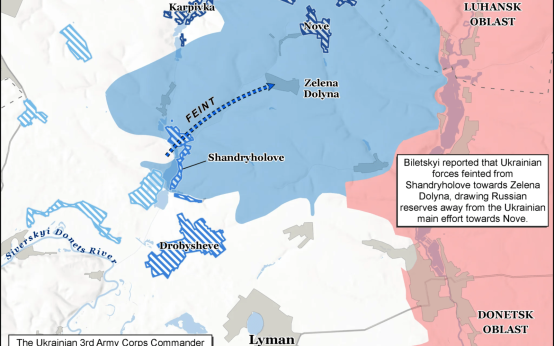 Ukraine Converts APCs to Explosive Devices in Donetsk Offensive
 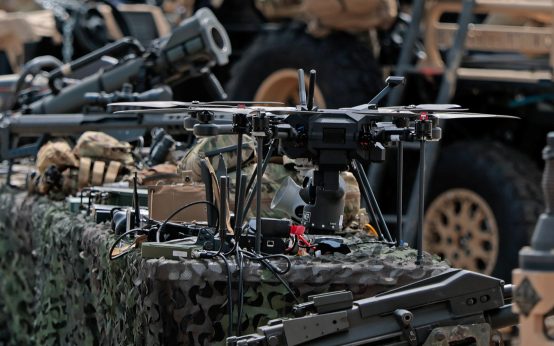 Hegseth’s Vision for the Military: Balancing Tradition and Innovation
 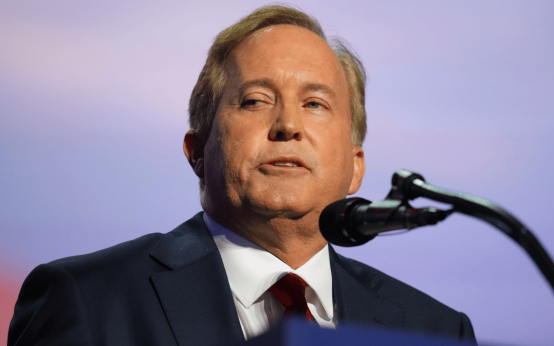 Significant Funding Boosts Ken Paxton’s Texas Senate Campaign Amid Tight Race
  U.S. States Extend Gas Tax Waivers Amid Rising Fuel Costs Due to Iran Conflict
  USCIS Raises Immigration Fees