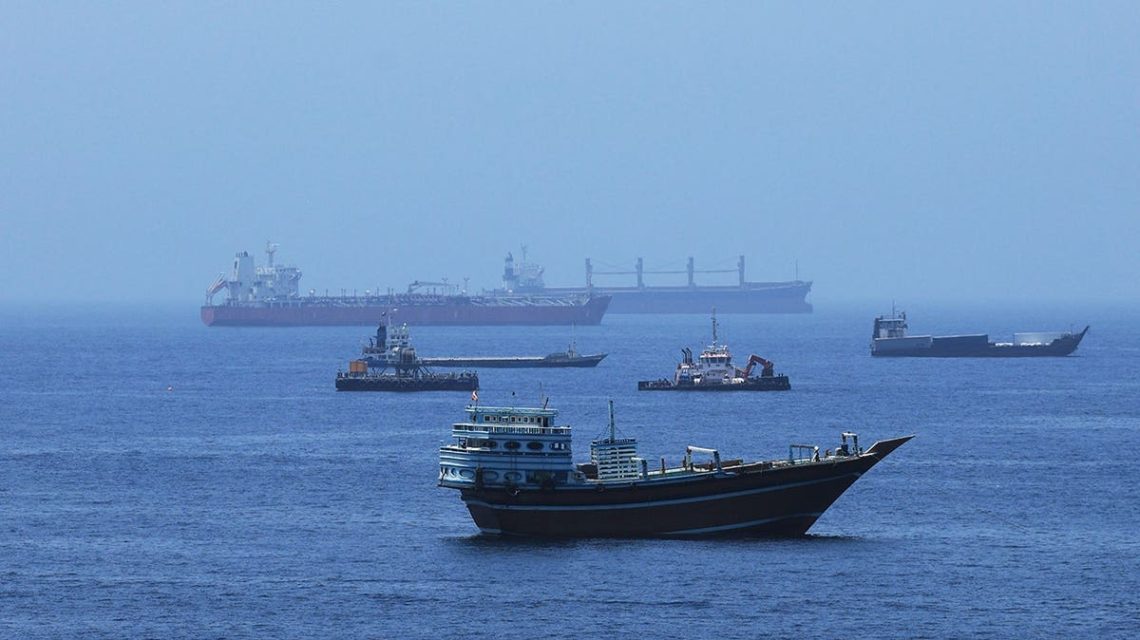
Trump Administration’s Position on the Strait of Hormuz
President Donald Trump has proposed declaring the Strait of Hormuz as a U.S. territory. This move aims to secure vital oil passages amidst tensions with Iran. Trump’s suggestion follows the unveiling of a framework by Iran and Oman that could exclude military vessels from the region if finalized.
Evaluation by Samir Kapadia
Samir Kapadia, who appeared on ‘Mornings with Maria,’ assessed the legal implications and stakes of an economic blockade. He considers potential maritime tolls and the strategic impact of U.S. sanctions on Middle Eastern trade.
U.S. Denies Iranian Claims
The Trump administration spent months asserting that Iran does not control the passage through the Strait of Hormuz. The U.S. Central Command supports this stance. Capt. Tim Hawkins, CENTCOM spokesperson, stated that the strait remains an international waterway, with commercial vessels continuing to transit with U.S. military assistance.
U.S. Challenges Iranian Efforts
American forces have facilitated the transit of nearly 1,500 vessels through the strait since May. The administration publicly challenged Iranian efforts to regulate Hormuz passage. Secretary of State Marco Rubio declared a proposed toll system illegal, while Trump warned Oman against obstructing U.S. negotiations with Iran.
Oil Flow Disruption
Oil flows through the strait have significantly decreased, reaching approximately 5 million barrels per day compared to over 20 million barrels per day before the conflict, as reported by Reuters.
Iran’s Reopening Proposal
Iran is pursuing an arrangement to reopen the strait, claiming a measure of control while excluding foreign military vessels. Iran and Oman announced a proposed framework for this, entailing a temporary navigational corridor and cooperative mine-clearing efforts.
Iranian Deputy Foreign Minister Kazem Gharibabadi detailed the proposal, routing commercial ships through Iranian waters. He mentioned military vessels would be excluded if binding.
Key questions remain about Iran’s ability to use this arrangement to restrict American military access and what actions the Trump administration might take in response.
 Maryland First State to Restrict Electronic Pricing in Grocery Stores
  Activists Push for Nationwide Ban on Child Marriage in the U.S.
  Democratic Hopes and Historical Warnings in 2026 Senate Race
  Republicans Face Challenges Amidst Cost of Living Concerns
 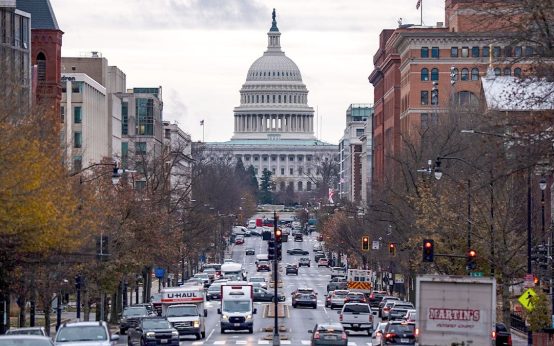 A Different Kind of Fall for Congress This Year
  Cornel West and Sean Hannity Discuss Differences on Podcast