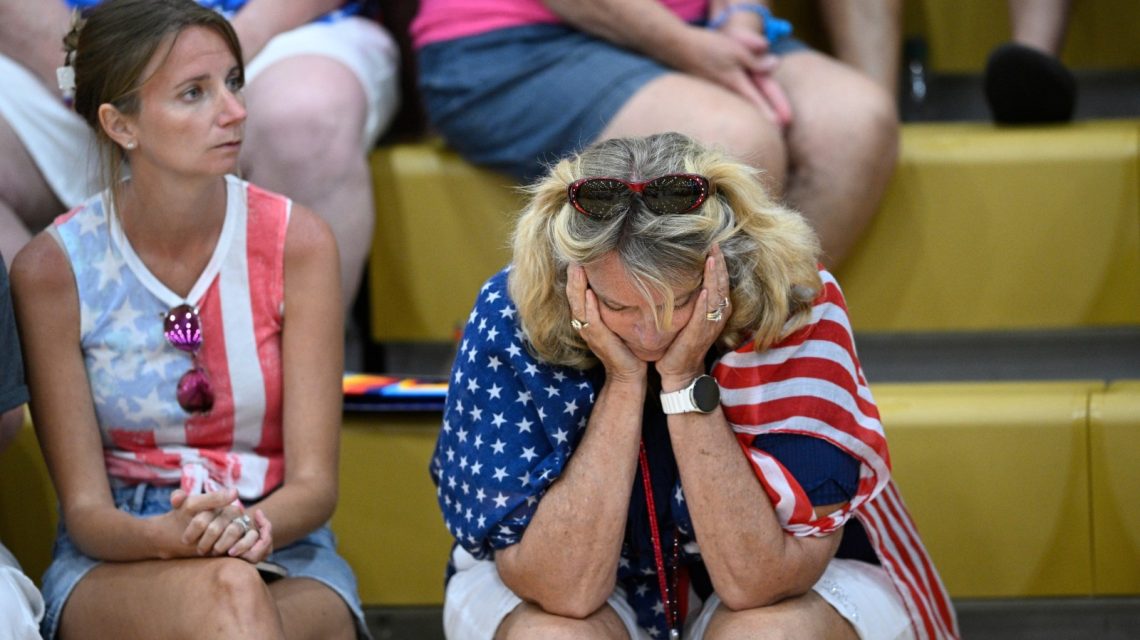
Approval Rating Decline Among White Voters
President Donald Trump’s approval rating among white voters has dropped by 7 percentage points since early summer, according to ActiVote polling data. Other surveys also indicate a decline in support among this key electoral group.
In June, white respondents were almost evenly split regarding Trump’s performance, with 47 percent approving and 49 percent disapproving, based on ActiVote. By July, approval within this demographic had decreased by 8 percentage points to 39 percent, while disapproval increased to 54 percent. August’s poll showed 40 percent approval and 54 percent disapproval. The August poll surveyed 1,000 ActiVote users from August 1-31. Participants applied a five-star scale, which ActiVote translated into standard approval and disapproval percentages. The July poll had 767 respondents, while the June poll had 478.
Historical Context and Broader Approval Ratings
This shift represents a change among a group that consistently supported Trump. According to Pew Research Center’s analysis, 55 percent of white voters backed Trump in the 2024 presidential election, and this demographic constituted 71 percent of the electorate.
Beyond the decline among white voters, Trump’s national approval ratings have also softened. The Economist/YouGov poll from August 28-31 showed Trump’s job approval at 36 percent, with 60 percent disapproving. A Quinnipiac University poll from July 23-27 found the lowest approval rating of his second term in their polling.
This polling occurs amid concerns over the economy and dissatisfaction with the conflict in Iran. The Quinnipiac survey revealed 60 percent of voters opposed U.S. military action in Iran, with 49 percent reporting a worsened financial standing compared to a year earlier.
Other Polls and Midterm Implications
An Economist/YouGov poll from July 25-27 showed his net approval among white Americans had fallen to minus 14, marking a new low according to YouGov. Among white Americans without college degrees, approval was at 43 percent, with 52 percent disapproving. The average net approval among this group decreased from plus 27 to minus 6 in early second term weeks.
In August, the decline continued. An Economist/YouGov poll conducted August 7-10 recorded his net approval at minus 19. This rating was the lowest YouGov had seen among white Americans for Trump.
Despite Trump’s absence from November’s ballot, his polling might impact GOP turnout or candidate support. D. Stephen Voss, political science professor at the University of Kentucky, noted the Republican base alone rarely secures victory. Candidates need backing from less consistent Republican voters and often independents.
“President Trump’s low numbers naturally are going to be a problem for Republican candidates, as is always true for a president’s party,” Voss stated.
Trump’s support among rural and non-college-educated white voters is slipping. Voss suggested this new disapproval pattern could affect districts where Republicans have enjoyed long-term success.
Strong Republican Support and Trump’s Response
Trump maintains robust Republican backing. An Emerson College poll from August 16-17 reported 86 percent of Republicans approved his job performance. Overall approval stood at 40 percent, with 56 percent disapproval.
Economist/YouGov polling from August 14-17 also showed 80 percent Republican approval. Among MAGA supporters, backing was even higher, with 95 percent approving.
Trump has criticized declining approval polls. On August 30, he addressed polling in a Truth Social post:
“THE FAKE POLLS USED BY OUR CROOKED MEDIA ARE OUT OF CONTROL, AND SOMETHING MUST BE DONE ABOUT IT. FCC TO THE RESCUE! President DJT,” he wrote.
A White House spokesperson referred to this post when asked about recent polling figures. Trump similarly disparaged polls on August 24, accusing Democrats of deploying “Fake Polls” as psychological tactics to discourage Republican turnout, while asserting that actual polls were favorable and national morale high.
For comments on this story, Newsweek editors Jason Lemon and Gray R. Thomas can be contacted.
 State Department Accuses Senate Democrats of ‘Grandstanding’ Over Venezuela Oil Deal
  Texas Senate Candidates Address Attacks with New Ads
  Republicans Withdraw Financial Support from North Carolina Senate Campaign
  Defense Secretary Ensures Military Votes Are Counted
  The Trump Team’s Challenge to the Military Leadership
  Maryland First State to Restrict Electronic Pricing in Grocery Stores