
Escalating Heat in Europe
Europe faces a severe heat wave with temperatures reaching unprecedented levels, causing significant disruption and loss of life. Regions unaccustomed to such temperatures are particularly vulnerable, as air conditioning remains rare. This heat is stressing infrastructure, leading to scenarios like the Autobahn in Germany buckling due to extreme temperature rises.
Countries are experiencing record-breaking temperatures. Denmark recorded its hottest day since 1874, with a temperature of 98.6 degrees Fahrenheit, while Switzerland saw a high of 101.8 degrees in Basel. The toll on public health is apparent, with reported fatalities reaching hundreds. For example, Spain attributed approximately 212 deaths to the heat, while the United Kingdom noted 15 accidental drownings as people sought cool refuge.
Wildfire Dangers in the U.S. West
The U.S. West is under a critical wildfire threat due to severe drought conditions combined with relentless heat. The U.S. Drought Monitor predicts worsening dryness across extensive areas. The combination of low soil moisture and persistent heat renders vegetation extremely flammable.
The National Oceanic and Atmospheric Administration (NOAA) identified Utah, Colorado, Arizona, and New Mexico as areas of maximum fire risk. Warnings for elevated fire conditions extend into California, Nevada, and Wyoming. The National Weather Service highlighted these as areas of extreme fire weather conditions, exacerbated by gusty winds and low humidity.
Public Health and Safety Measures
In response, European governments are using emergency measures to minimize risks. Actions include closing schools, canceling outdoor events, and restricting activities to preserve health and ensure utility grids remain operational. Cities like Paris have deployed cooling solutions and imposed restrictions on outdoor work.
Public health agencies highlight the rapid escalation of life-threatening risks from extreme heat. Recommended measures include staying hydrated, using air-conditioned spaces, minimizing outdoor activities during peak heat, and monitoring vulnerable groups such as the elderly and the young. Agencies advise against leaving individuals or pets in parked vehicles, as temperatures can rise to hazardous levels quickly.
Conclusion
As climate change drives more frequent and severe weather events, both Europe and the U.S. West are experiencing unprecedented challenges. These conditions emphasize the urgent need for preparedness and adaptation to protect lives and infrastructure.
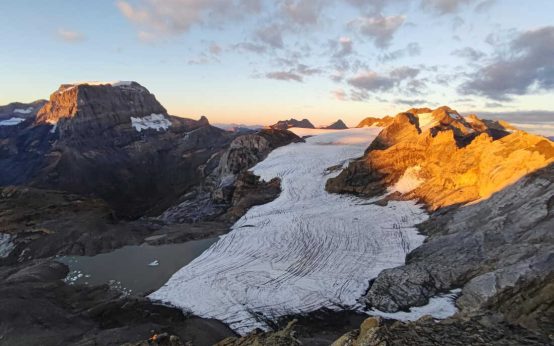 Swiss Glaciers Show Effects of Ice Loss Amid Global Warming
  Climate-Resistant Rock Glaciers: Hidden Water Resources
  Senators Reach Bipartisan Agreement on Permitting Reform
  Experts Warn of Critical Period for the Colorado River
  Future Cities: Ambitious Projects Aiming for Innovation and Sustainability
  Supreme Court Case Suncor vs. Boulder: Implications for Accountability in Climate Change