Trump’s Ambitious Construction Projects
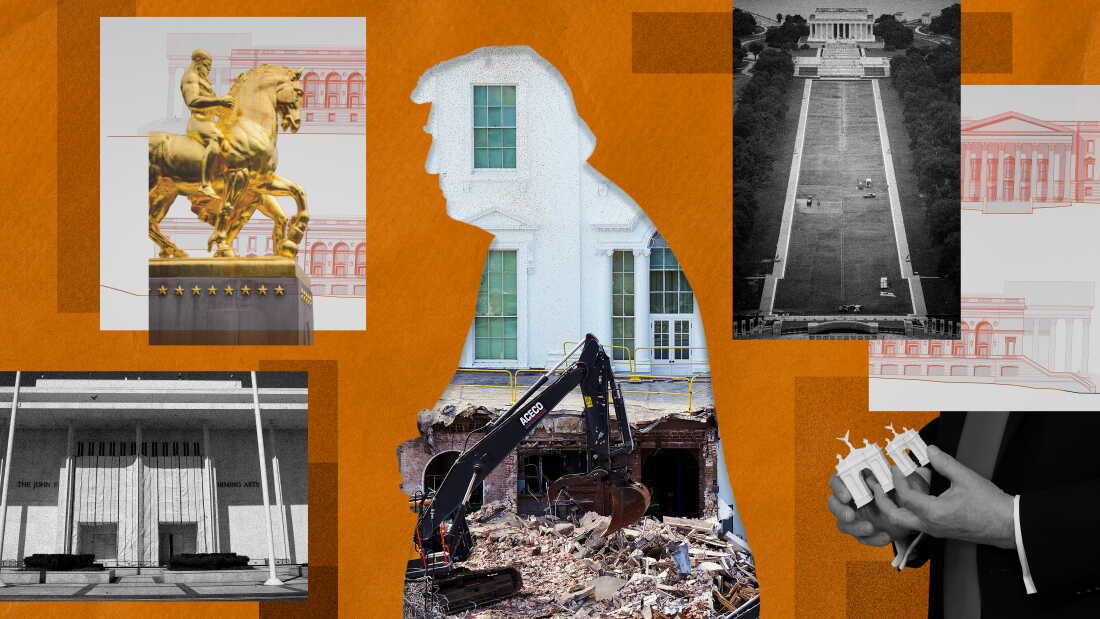
In his second term, President Trump has focused on reshaping Washington D.C. with numerous construction projects, earning the nickname ‘builder-in-chief.’ Despite facing criticism, lawsuits, and widespread opposition, he persists with his ambitious plans.
The White House Modifications
Trump has made significant changes to the White House. He replaced the East Wing with a larger ballroom, creating a military complex underneath. A new helipad was installed on the South Lawn, and the Rose Garden was altered. Additionally, efforts to repave the Lincoln Memorial Reflecting Pool in blue remain incomplete due to missteps and conflicts.
Plans for Sculpture Garden and Golf Course
Trump proposes creating a sculpture garden of national heroes in West Potomac Park and aims to transform the East Potomac Golf Links into a championship venue. These projects contribute to his ongoing efforts to leave a mark on the city.
Name and Legacy Concerns
There are aspirations to add Trump’s name to the Kennedy Center or demolish it entirely. He fast-tracked a controversial 250-foot arch near Arlington National Cemetery, initially intended to honor himself. Trump associates his identity with being wealthy and a developer, often linking these traits to his presidency.
Response from Supporters and Critics
Trump’s spokesperson insists he delivers on policy promises alongside beautifying the nation’s capital. However, critics argue he rushes to immortalize himself, fearing no one will continue his work after he leaves office. Historian concerns emphasize treating D.C. as a personal playground sets a dangerous precedent.
Understanding Trump’s Building Approach
Barbara Res, Trump Organization’s former head of construction, highlights Trump’s lack of regard for law and historic preservation. Trump’s career as a developer, influenced by his father’s experience, shaped his approach to building, prioritizing big-picture decisions over construction intricacies.
Controversial History in Preservation
Trump’s history of overlooking historic preservation dates back to his early career. In 1980, his decision to demolish New York’s Bonwit Teller building without preserving its artwork demonstrates his tendency to favor expediency over preservation.
The Role of Power in Decision Making
Historian Tim Naftali argues Trump’s projects demonstrate an owner’s mentality rather than a custodian’s. Previous presidents have sought congressional approval for White House changes, viewing it as public property. Trump’s unilateral approach raises concerns about future presidential conduct.
The Implications of Trump’s Approaches
Trump’s appointments to federal arts panels and his administration’s legal moves undermine historic preservation efforts nationwide. His actions diverge from norms, prioritizing changes that challenge traditional decorum and preservation.
A Legacy Beyond Building
Trump’s eagerness to construct symbolic projects may risk overlooking fundamental principles, like the separation of powers. Despite his drive to solidify his legacy through physical structures, there are broader implications for governance and preservation.
 The Trump Team’s Challenge to the Military Leadership
  Maryland First State to Restrict Electronic Pricing in Grocery Stores
  Activists Push for Nationwide Ban on Child Marriage in the U.S.
  Democratic Hopes and Historical Warnings in 2026 Senate Race
  Republicans Face Challenges Amidst Cost of Living Concerns
  A Different Kind of Fall for Congress This Year