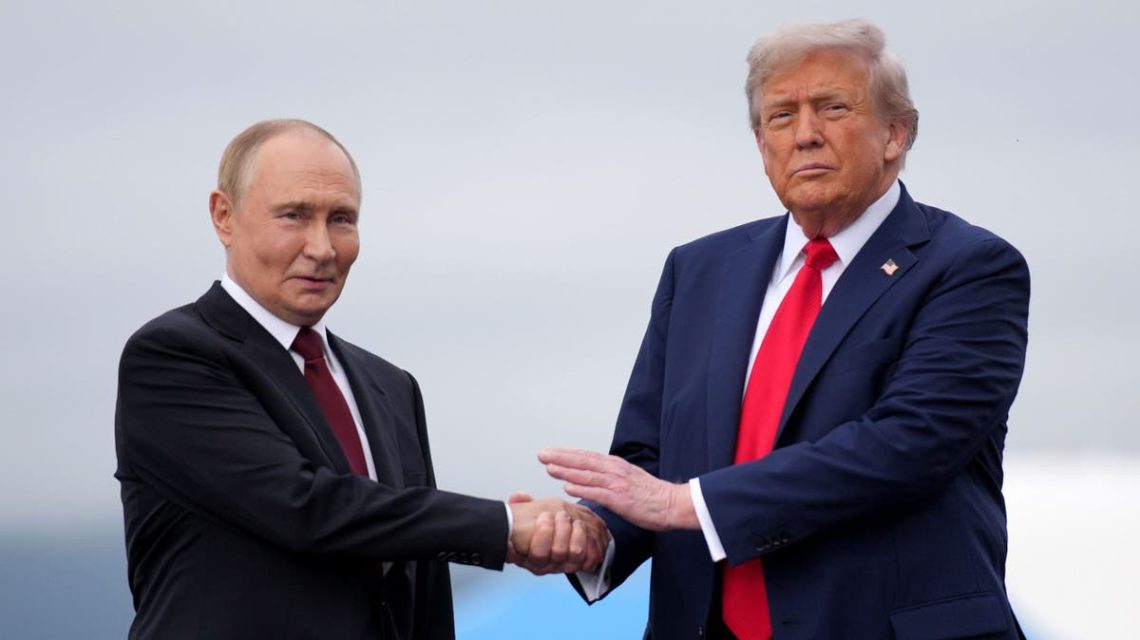
President Donald Trump is reducing economic pressure on Russia. His goal is to entice Vladimir Putin closer to a peace agreement. This decision will test if economic incentives can succeed where sanctions have not. The administration has decided to temporarily relax restrictions on Russian diesel. This has met with opposition from Capitol Hill Republicans and skepticism about its impact on American prices. Despite this, Russia shows few signs of compromise in return.
This week, six Republican senators joined Democrats in urging Trump to reverse his decision. Meanwhile, five House Republicans signed a bipartisan letter asking to revoke the Treasury’s authorization. Congress is nearing an October 18, 2026 deadline for implementing new sanctions law to increase economic pressure on Russia.
Bipartisan senators demand Trump retract the Russia diesel deal. They label it a ‘betrayal’ of U.S. allies.
The administration believes that allowing Russian diesel back on global markets could reduce prices for American consumers. It seeks to demonstrate the potential economic benefits for Russia through improved U.S. relations. Trump defended the agreement, highlighting its role in supplying the strained global diesel market. “That’s a diesel deal that’s going to be released into the world market,” Trump said.
Questions arise about the actual impact on prices. Meanwhile, Russia continues to target Ukrainian energy infrastructure. John Hardie from the Foundation for Defense of Democracies suggests the agreement would work better in a mutual energy truce. He notes that Ukraine could accept the deal if both Russia and Ukraine refrain from energy strikes.
Trump announced the diesel agreement on October 9 following a phone call with Putin. Russia agreed to supply over 300,000 metric tons of diesel immediately, with plans to deliver more in the coming months. Treasury issued General License 135 on the same day, allowing specific diesel transactions until April 7, 2027.
The diesel dispute is part of broader issues between Trump and Ukrainian President Volodymyr Zelenskyy. Trump has pushed Kyiv to halt refinery attacks. However, Zelenskyy criticized the diesel deal and accused Russia of ignoring Trump’s energy ceasefire. Ukraine resumed attacks on Russian oil sites after Moscow failed to honor the pause. Meanwhile, Russia has escalated attacks on Ukraine’s energy system, leaving many Ukrainians without power.
The White House maintains the deal adds supply to global fuel markets and hints at economic benefits with improved relations. Trump envoys Steve Witkoff and Jared Kushner discussed the agreement with Ukrainian officials, aiming to revive peace talks. One person briefed said the deal might ‘soften’ Moscow’s stance.
Analysts question the volume of diesel Russia can provide. Masha Kotkin from the Center for Strategic and International Studies doubts the impact on U.S. diesel prices. Sergey Vakulenko from the Carnegie Russia Eurasia Center believes it unlikely to generate new revenue for Moscow. He notes already substantial Russian exports despite Western sanctions.
Hardie points out that divisions between Washington and Kyiv may embolden Putin militarily. He highlights past offers of sanctions relief as negotiation incentives for Russia. Hardie warns that offering benefits beforehand could weaken these incentives.
Congress is moving in a different direction. Trump signed the Lindsey O. Graham Sanctioning Russia and Iran Act, ramping up measures against Russian entities. An initial deadline for this law is set for October 18.
Republican senators, including Thom Tillis and Susan Collins, joined Democrats to urge Trump to rescind the diesel deal and enforce the new law. They argue the Russian diesel has minimal impact on prices while increasing revenue for Moscow. A separate group of 22 House lawmakers has echoed this sentiment.
The White House maintains that the agreement aims to lower costs for Americans and seeks to end the war. Hardie remains doubtful about changing Putin’s calculations with economic incentives. He argues Putin values Ukraine and his legacy more than Russia’s economic well-being. The diesel deal will test Trump’s leverage theory: whether economic benefits can draw Moscow towards an agreement or encourage them to demand more.
 Mayor Mamdani’s Policing Reform Plans
 Gen Z Voter Shifts and Their Impact on the 2026 Midterm Elections
 Disappearance of US Senate Candidate Raises Questions
 DOJ Rule Change Reduces Appeal Time for Immigrants Facing Deportation
 Hakeem Jeffries’ Bid for House Speaker Faces Progressive Hurdles
 Ohio Judge Dismisses Defamation Lawsuit by Rep. Max Miller