
Donald Trump’s comments on the Falkland Islands have caused friction with the United Kingdom and bolstered support for his ally, Javier Milei. Trump hinted at strategic considerations for U.S. regional and global interests. The Falklands, a British Overseas Territory in the south-west Atlantic, are nearly universally regarded as British by its inhabitants and internationally. However, Argentina, which calls them the Islas Malvinas, claims sovereignty—an ongoing diplomatic dispute that escalated into war in 1982. The conflict resulted in the deaths of 255 British servicemen, 649 Argentine soldiers, and three island residents.
This week, during an event at the White House, Trump stepped into this long-standing tension when a reporter asked about the U.S. stance on the islands, which is officially one of neutrality. Trump’s response was, “I always review positions, and that’s one of them.” Newsweek sought further comment from the White House.
“I always review positions,” the president responded. “And that’s one of them.”
Following Monday’s remarks, Trump suggested in a British channel GB News interview that the U.S. might not support the U.K. if Argentina attempted to reclaim the islands by force. When questioned about assisting the U.K., Trump remarked on the islands’ distance from Britain and referenced the Iran conflict, stating, “Your country was not there to help me. We didn’t need help, but I did ask NATO, and I asked your former leader, ‘why didn’t you send a couple of ships?”
Argentina’s president, a strong advocate for the Malvinas claim, leveraged Trump’s statements. During a televised address, Javier Milei announced plans to sanction oil companies in the area, emphasizing the necessity of recovering the Falklands, which transcends domestic politics. After Trump’s GB News appearance, Milei proclaimed that “winds of change” favored Argentina regarding the Malvinas.
Trump’s apparent alignment with a regional ally over a traditional partner appears consistent with his second term’s geopolitical stance, referred to as the Donroe Doctrine. This perspective, a nod to the Monroe Doctrine of the 19th century, highlights America’s more assertive approach in the Western Hemisphere.
Contrastingly, these comments suggest a departure from the special relationship between the U.S. and U.K. Besides military actions in Venezuela and its president’s removal—potentially giving way to a U.S.-focused energy plan—the United States prioritizes limiting Russian and Chinese influence in the Americas as a key strategy.
Following Trump’s remarks, a spokesperson for British Prime Minister Andy Burnham affirmed U.K. support for the islands as “unwavering.”
“The Falkland islanders are British, with the right to determine their own future,” the statement read. “They have expressed their wish to remain a British Overseas Territory and our commitment to them is unwavering.”
In 2013, Falkland Islanders overwhelmingly voted to remain a British territory. Defense Secretary Wes Streeting and Foreign Secretary Ed Miliband both stressed the unyielding and legal standing of the islanders’ right to self-determination.
Despite Britain’s resolute position, a YouGov poll of 4,833 British adults revealed limited confidence in U.S. military support. Only 16 percent expressed some faith that the U.S. would assist the U.K. or its territories against an attack, while 33 percent and 37 percent, respectively, had minimal or no confidence.
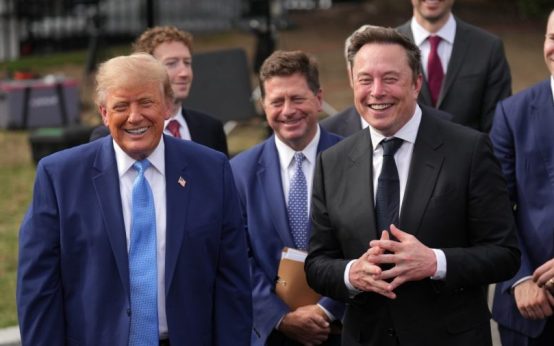 Trump’s 2024 Reelection and Evolving Voter Dynamics
  Defense Secretary Emerges as Key Player in the Trump Administration
 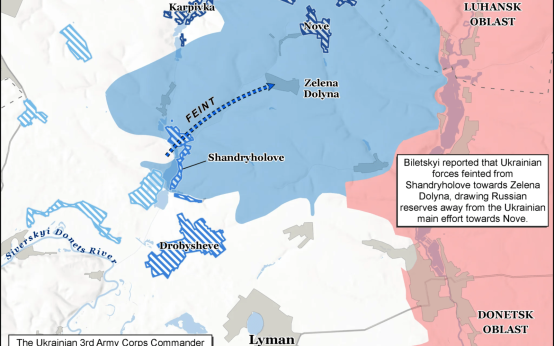 Ukraine Converts APCs to Explosive Devices in Donetsk Offensive
 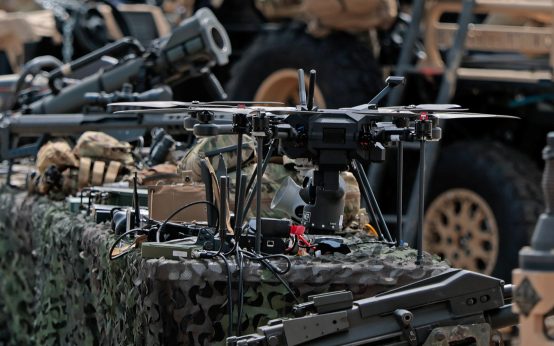 Hegseth’s Vision for the Military: Balancing Tradition and Innovation
 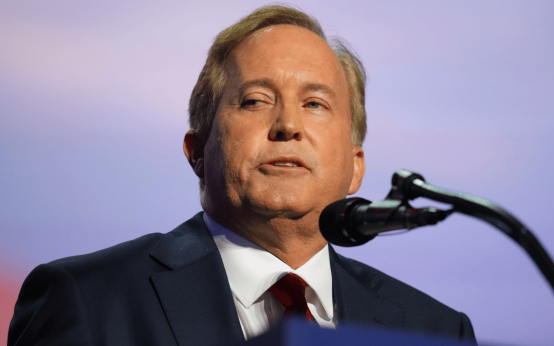 Significant Funding Boosts Ken Paxton’s Texas Senate Campaign Amid Tight Race
  U.S. States Extend Gas Tax Waivers Amid Rising Fuel Costs Due to Iran Conflict