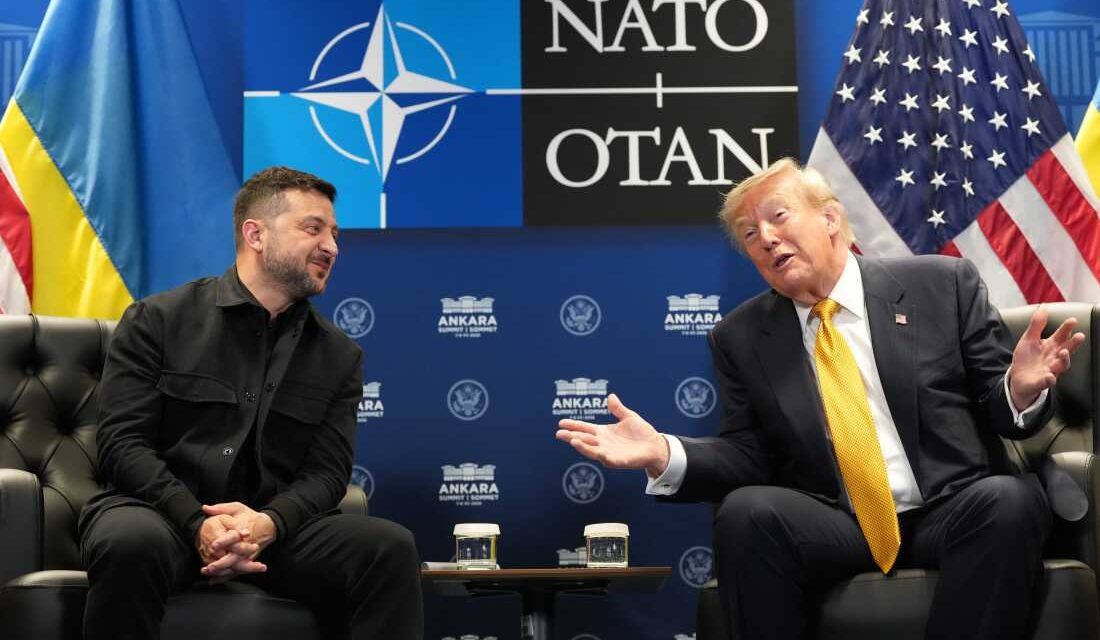
U.S.-Ukraine Defense Partnership Expansion
During the NATO summit in Ankara, Turkey, on July 8, 2026, U.S. President Donald Trump announced a significant decision to grant Ukraine a license to produce Patriot air defense systems. This move aims to bolster Ukraine’s capabilities against Russian missile threats. The decision marks a clear shift in U.S. policy, addressing a longstanding request from Ukraine.
Trump’s NATO Summit Dynamics
Initially, Trump criticized NATO allies for not supporting his territorial ambitions in Greenland and the situation in Iran. However, he later embraced a tone of unity, appreciating NATO members for increased defense spending. This change mirrored the overall mood of the summit as leaders focused on strengthening military readiness and cooperation.
NATO Defense Spending and U.S. Troop Reduction
NATO European partners and Canada strive to meet updated defense spending goals, responding to Trump’s demands for stronger regional security responsibility. Countries such as Estonia, Latvia, and Denmark have increased spending, while others face challenges. The U.S. examines troop deployment in Europe, aiming for a leaner structure—NATO 3.0—with Europe handling conventional defense while the U.S. offers nuclear protection.
Ukraine’s NATO Ambitions
Ukraine’s President Volodymyr Zelenskyy advocated for Ukraine’s NATO membership, showcasing military effectiveness and experience. He reported significant Russian troop losses, highlighting Ukraine’s strategic capacity. Despite Russia’s strong opposition, NATO pledged $80 billion to support Ukraine’s defense needs amid ongoing threats.
Syria Normalization Progress
Trump met with Syrian President Ahmad al-Sharaa, once an insurgent leader against Bashar Assad. Trump supports Syria’s rebuilding and international integration efforts. The U.S. Secretary of State Marco Rubio noted plans to remove Syria’s terrorism designation, facilitating economic recovery and renewed international relations.
 New Jersey Voter Fraud Prompts Renewed Push for SAVE Act
  Concerns Over Changes to Voter-Registration Form for Americans Abroad
  Trump’s 2024 Campaign Targets Young Men Through Cryptocurrency
  Trump’s White House Visitor Center Proposal Gains Bipartisan Support
  State Department Simplifies Passport Process with Online Applications
 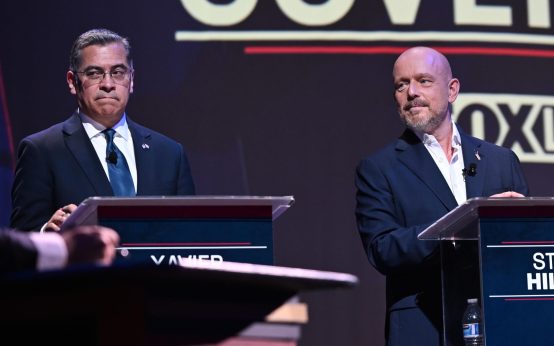 Becerra and Hilton Clash in California Gubernatorial Debate