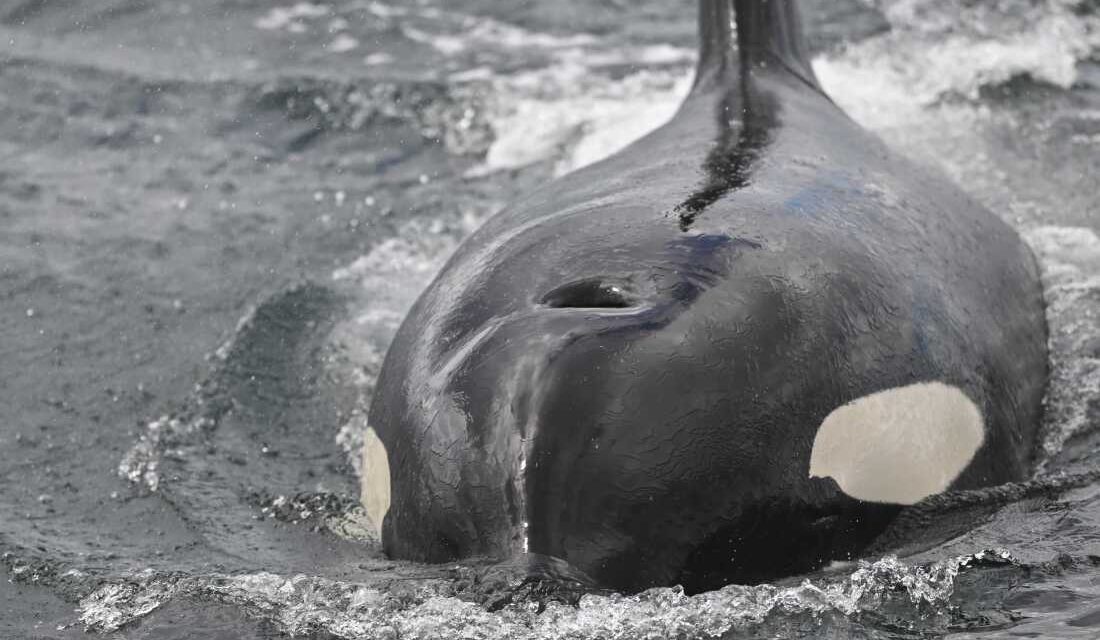
Orcas often exhibit surprising behaviors. A recent study highlights a peculiar tactic involving orcas ramming sunfish with such force that the fish break apart. This behavior was observed off the shores of Cabo San Lucas by Kathryn Ayres, a scientist at the ocean-health nonprofit Beneath The Waves. An orca holds a sunfish while another orca rams it at high speed, scattering bits of sunfish like confetti.
Ayres and her team described this “stabilize-and-ram” technique in a paper published recently. Erick Higuera, a co-author and marine biologist at Conexiones Terramar, remarked on the shock of seeing such large animal fragments. He clarified it wasn’t cruel but showcases the orcas’ specialized biology.
The purpose of this behavior isn’t fully understood. Ayres suggests it might help younger orcas feed more easily or could simply be playful. Orcas have a history of playful behaviors, including wearing salmon as hats and even sinking ships for fun. Robert Pitman, a marine ecologist at Oregon State University, compares orcas to cats, as both enjoy interacting with prey and non-prey.
Pitman posits this behavior is primarily about feeding. Younger and older orcas may struggle to eat sunfish and sharks due to worn-down teeth or lack of teeth. Sunfish have dense, rubbery skin, making them difficult prey. The ramming could be an efficient way to tackle tough-to-eat prey, turning them into bite-sized pieces.
Higuera agrees, noting orcas lack hands or tools to break apart prey. Observations suggest this behavior is practical, yet the question of whether it’s simply fun remains. For an activity to be considered playful, it should be voluntary, rewarding, and involve exaggerated actions. The behavior was documented twice, showing social game-like aspects, potentially a feeding strategy or a social activity.
Higuera believes more examples are needed to conclude decisively. If orcas engage in this behavior without toothless individuals present and without consuming the sunfish, it could indicate it’s merely entertainment.
While the documented cases occurred in Baja California, Pitman notes it’s unclear if other orcas globally use this method. Higuera speculates this might be cultural knowledge confined to specific pods. Pitman commends the study for revealing this behavior. He recalls seeing orcas with sunfish before but not understanding their intent. The study now provides clarity on these interactions, but Pitman cautions snorkeling enthusiasts to remain wary of getting too close to the orcas’ activities.
 Ancient Pottery Unearthed During Roadworks in Tbilisi
  U.S. Space Academy Announcement
  The Need for New Strategies in Oregon’s Wildfire Management
  Plastic Pollution in the Great Lakes: A Growing Concern
  Virginia Tech Researchers Study Black Bear Hibernation
  Understanding the Impact of a ‘Super’ El Niño