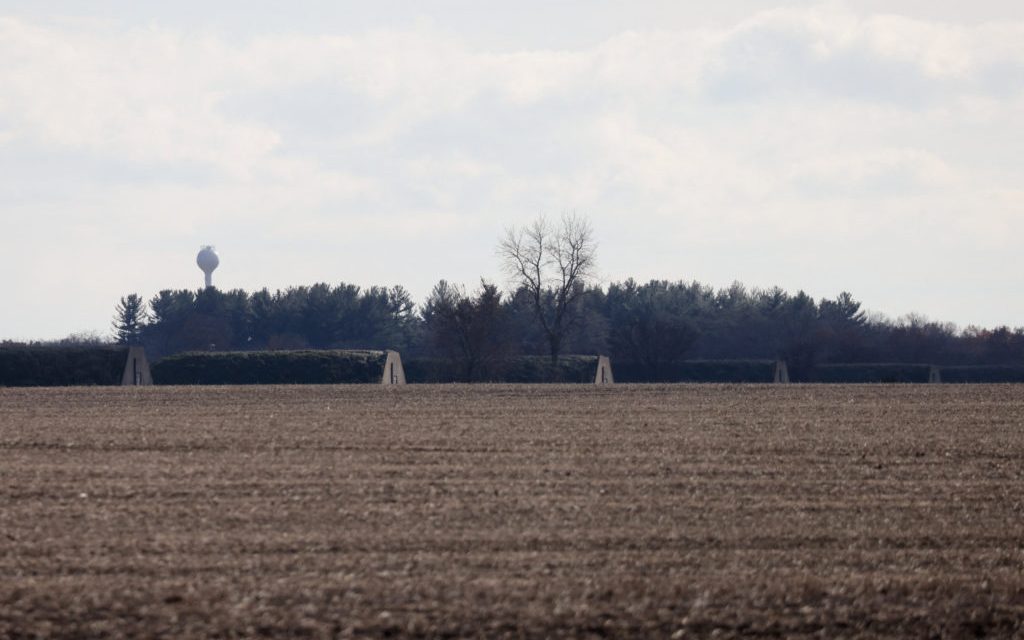
On November 24, 2026, at 6:40 PM EST, the U.S. Army announced plans to detonate a deteriorating stockpile of highly volatile lead azide in Iowa. This compound, primarily used in military munitions, has been stored underground but requires disposal due to its growing instability.
The proposed detonation aims to prevent a potential hazard. However, concerns have arisen about the possible release of toxic lead dust into the surrounding area. Despite these concerns, Army officials emphasize that conducting a controlled explosion remains the most secure method for disposal.
Geoff Bennett, a co-anchor and co-managing editor at PBS NewsHour, delved into the situation further with Eliza Billingham from Iowa Public Radio, exploring the implications and safety measures in place.
Courtney Norris, contributing to the story, serves as the deputy senior producer of national affairs for the NewsHour. She maintains an active presence on social media platforms, including Twitter, under the handle @courtneyknorris. Bennett also engages with his audience on Twitter, available at @GeoffRBennett.
 The Silence of Women in Tech Regarding Jensen Huang’s Return
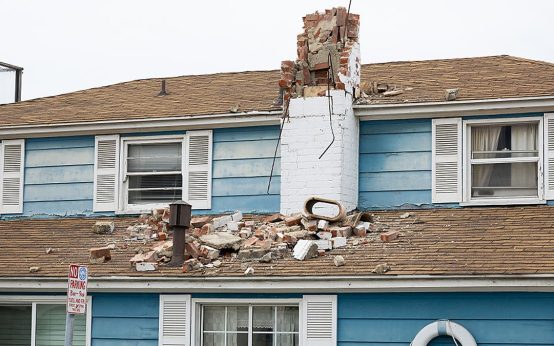 Mother Protects Infant during Los Angeles Earthquake
 The Controversy Surrounding Lake Ontario’s Renaming
 Opportunities and Challenges in Recent Developments
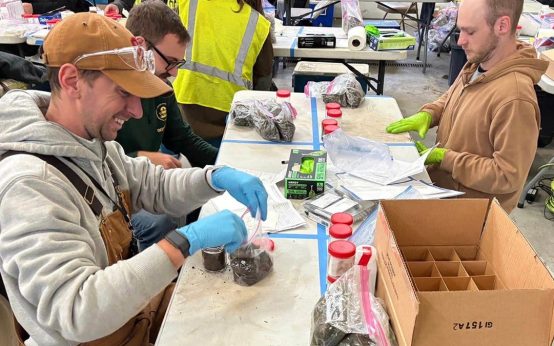 Lab Tests Show No Lead Contamination in Iowa Water After Detonation
 Catholic Dioceses Enhance Support for Retired Priests