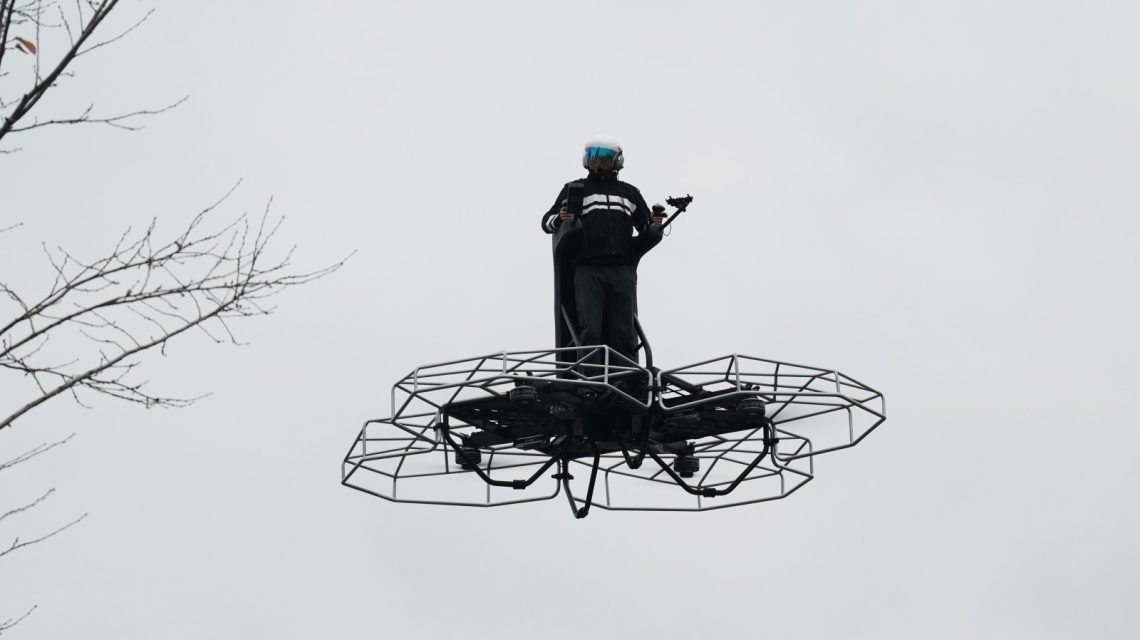
The administration of President Donald Trump is enhancing cooperation among federal agencies to identify and counter potentially hazardous drones. This initiative responds to rising concerns over drones posing threats to military bases, critical infrastructure, and civilian airspaces. A recent Department of Transportation (DOT) announcement highlighted plans to evaluate and deploy technology capable of detecting, tracking, disabling, or controlling unauthorized drones. These measures aim to mitigate risks to civilian aviation.
Transportation Secretary Sean Duffy emphasized a comprehensive governmental strategy to protect U.S. airspace from emerging threats. According to Duffy, integrating federal partners enhances the nation’s ability to combat rogue drone activities and ensure public safety.
As of December 2024, over one million drones were registered with the Federal Aviation Administration (FAA). However, identifying drones used carelessly, illegally, or with harmful intent remains a challenge.
Recent conflicts with Iran have underscored the military threat posed by drones. An Associated Press analysis revealed over 115 drone or missile strikes linked to Iran, impacting 26 military bases and U.S. equipment sites as of August.
The administration’s domestic strategy does not cite an immediate drone threat but focuses on improving agencies’ ability to identify suspicious activities and employ counter-drone technologies safely.
Understanding the Threat
Brandon Archuleta, a visiting fellow at Pomona College, supports a federal response to this national security issue. He cited Ukraine’s 2025 Operation Spiderweb as an example, where more than 100 drones struck Russian airbases in a surprise attack.
This showcases the potential damage drones could inflict on U.S. infrastructure. Coordinated efforts among Homeland Security, War, and Transportation departments are deemed critical for defense.
Lorenz Meier, CEO of Auterion, notes that civilian drone use has expanded over 15 years. The Ukraine conflict has raised concerns about unauthorized drone use. Small drones, often armed, now represent a significant threat.
Threats vary from accidental airspace breaches to deliberate drone use for surveillance, smuggling, or attacks. Unauthorized drones near airports can disrupt crewed aircraft, while drones near military bases or infrastructure raise safety concerns.
Escalation of the Threat
The conflict with Iran and Israel illustrates another threat level. Iran employed drones and missiles against Middle East targets, causing significant damage and exposing U.S. defense vulnerabilities.
A Center for Strategic and International Studies analysis noted that Iran’s Shahed-series drones were pivotal in its retaliation strategy. These affordable drones allowed sustained pressure against defenses.
In March, the FBI issued a warning about potential drone threats to the U.S. from Iran. It prompted coordination with security agencies, even as California officials found no immediate threat.
While there was no evidence of an imminent Iranian drone strike, the U.S. is preparing for varied threats, including unauthorized flights and drones equipped with explosives. The Department of Justice reported an FBI arrest of individuals planning a drone attack near a major event in Washington, D.C.
Mystery Drones in New Jersey
National attention focused on reported mysterious objects over New Jersey, leading to FBI investigations. These sightings raised questions about federal capabilities to identify unauthorized drones.
Reports noted some lawful and recreational drone activity, but there were limited sightings over military facilities. The challenge is determining whether an object poses a security risk.
New Protocols for Counter-Drone Technologies
The administration has established a standard process for researching and deploying counter-drone technologies. Several federal agencies will collaborate on this initiative.
The FAA and Federal Communications Commission are integral in assessing safety risks related to counter-drone technologies. This includes preventing new hazards in U.S. airspace.
Previous efforts, such as flight restrictions and safety assessments of counter-drone systems, laid groundwork for this initiative. The goal is to enable authorities to identify genuine drone threats without creating new risks.
Impact on Recreational Drone Use
The initiative does not impose a nationwide ban on recreational drone use. Hobbyists remain subject to existing FAA regulations.
Federal agencies highlight the volume of legitimate drone activity, noting millions are registered. The focus is on unauthorized or dangerous drones, especially around sensitive sites and events.
This initiative aims to balance safety with the recognition of lawful recreational and commercial drone activities.
 Mayor Mamdani’s Policing Reform Plans
 Gen Z Voter Shifts and Their Impact on the 2026 Midterm Elections
 Disappearance of US Senate Candidate Raises Questions
 DOJ Rule Change Reduces Appeal Time for Immigrants Facing Deportation
 Hakeem Jeffries’ Bid for House Speaker Faces Progressive Hurdles
 Ohio Judge Dismisses Defamation Lawsuit by Rep. Max Miller