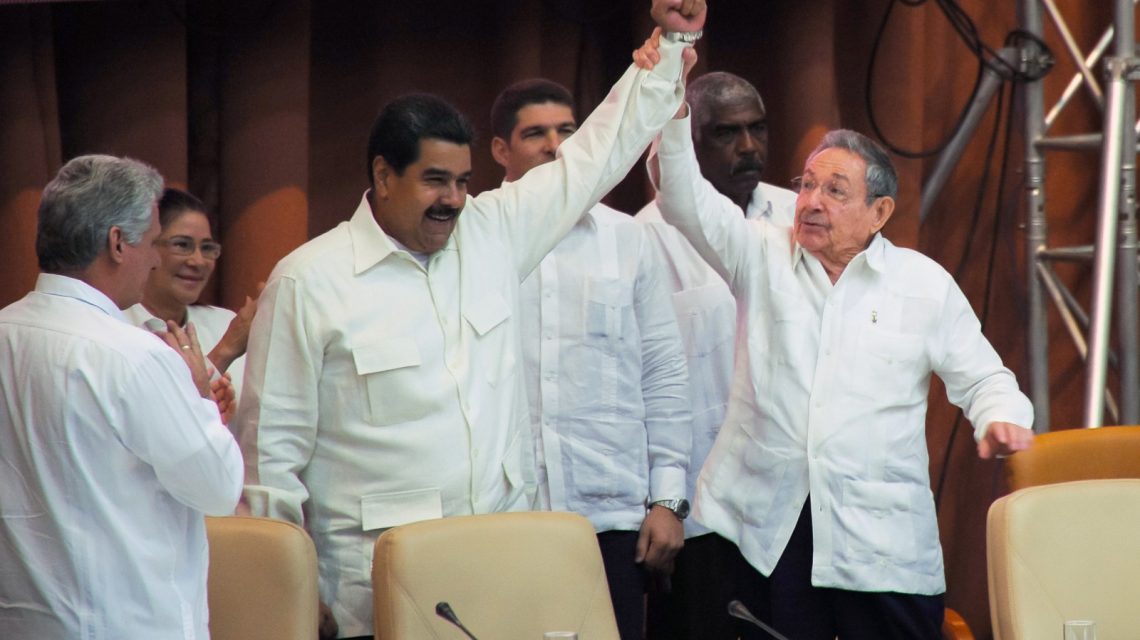
Background to the Indictment
The U.S. has charged Raúl Castro, former Cuban President, raising questions about potential parallels with actions against Venezuelan leader Nicolás Maduro. Earlier, Maduro was captured in a raid by Delta Force in January, leading to a substantial loss of Cuban personnel responsible for his security. He was accused of ‘narco-terrorism’ by the Trump administration in 2020 and is awaiting trial in New York.
The charges against Castro are connected to the 1996 incident where Cuban military allegedly shot down two civilian planes. These planes were linked to exiled Cuban opposition. The indictment emerged from the Department of Justice amid tension between the U.S. and Cuba.
U.S. Strategy and Diplomatic Moves
The U.S. action follows increased hostilities after Maduro’s capture with the Trump administration imposing an oil blockade and hinting at military intervention against Cuba.
This mirrors earlier threats made against Iran, resulting in joint military actions with Israel leading to the death of Iranian Supreme Leader Ayatollah Ali Khamenei.
“There is an inevitability of some form of action if the threats and the saber rattling don’t work,” Christopher Sabatini, a senior fellow at Chatham House, remarked.
Despite U.S. pressure, Cuba has shown resistance, staying open to dialogues while opposing any enforced governmental alterations.
Potential U.S. Actions in Cuba
Analysts have suggested that the legal move against Castro might be a precursor to military initiatives. Options include special operations resembling those in Venezuela or comprehensive aerial assaults similar to those previously launched against Iran.
The Cuban military’s limited capacity could leave it vulnerable, but any engagement involves serious resource commitments.
Cuban Response and Defense Strategy
Cuban President Miguel Díaz-Canel, in a previous Newsweek interview, expressed readiness to retaliate if the U.S. engages in military actions. He emphasized the country’s leadership unity and revolutionary discipline as critical defenses.
Some analysts believe removing Castro might not significantly disrupt Cuba’s power structure, as the military conglomerate GAESA, which he developed, holds substantial sway.
Christopher Sabatini highlights the challenges the U.S. might face in rallying support among Cuba’s leaders, pointing out the strong ideological and social structures in place.
Legal and International Reactions
Experts have questioned the legality of the U.S.’s strategies. Tess Bridgeman from Just Security argues that under international law, these actions breach the prohibition of force and lack justification under self-defense or UN approval.
Benjamin Gedan, from the Stimson Center, also questioned the legal basis for any U.S. military efforts relying on criminal indictments, referencing past actions in Venezuela.
Gedan notes, “Delta Force commandos are not bounty hunters, and an indictment does not give Trump permission to invade Cuba.”
The 1996 Incident and Cuban Government’s Stance
The Cuban government contests the U.S. narrative, describing the indictment as politically motivated. They assert their right to defend national airspace and challenge the portrayal of the 1996 event.
According to Cuba, Brothers to the Rescue—a dissident group involved in the incident—was known for hostile activities. The Cuban response asserts national sovereignty and the defense of their socialist revolution.
Symbolism and Tactical Considerations
While the indictment raises stakes, thus far, U.S. actions have stayed within economic and political realms without moving to direct military interventions. Some see the legal actions as negotiation strategies to influence Cuba towards economic openness.
Richard Feinberg from the University of California questions the U.S.’s approach, suggesting the need for strategies beyond targeting individuals due to institutional power held by the Cuban Communist Party.
“The indictment…is primarily pitched to the exile Cuban American community,” Feinberg notes, indicating the political dimensions at play.
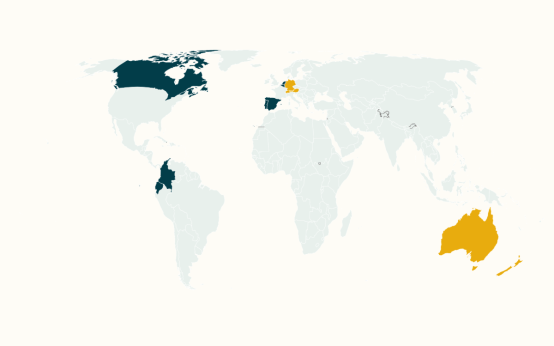 Dutch Review Board’s Euthanasia Ruling and International Debate
 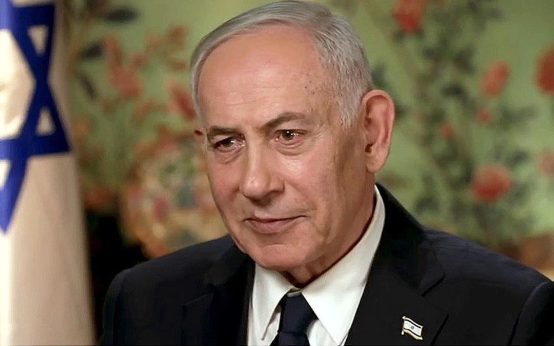 Israeli PM Commends Heroic Actions in Flight Emergency
 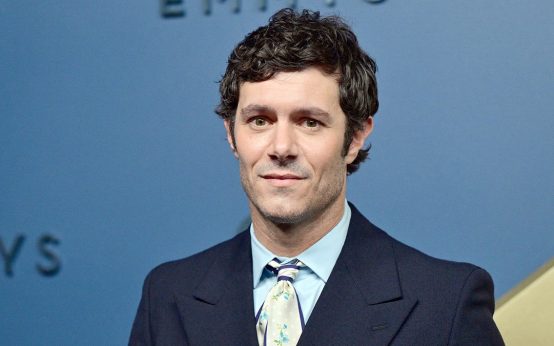 Rabbi and Jewish Leaders Criticize Adam Brody for ‘Genocide’ Comment
  Flydubai’s Emergency Landing Highlights Cockpit Security
  Former Israeli PM Naftali Bennett Commends Passengers and Crew for In-Flight Heroism
  Diplomatic Complexities Unfold at U.S. National Archives Visit