Efforts to commemorate the nation’s founding face challenges due to internal conflicts about how to honor the past. A quote from George Orwell’s “1984” encapsulates this tension: “Who controls the past controls the future. Who controls the present controls the past.” This reflects the power of rewriting history to influence the present and future.
The Trump administration illustrates this by focusing on historical narratives. One legal example involves historical sites and slavery in Philadelphia. Under an executive order, the administration aimed to remove what it saw as disparaging content about America’s past. This led to the removal of panels at the President’s House Site detailing the people George Washington enslaved. Philadelphia contested this, resulting in legal battles and a federal court initially ordering the displays to be restored. However, a federal appeals court later allowed their removal.
Additionally, concerns about the Smithsonian, often termed “the nation’s attic,” have surfaced. Trump signed an executive order in March 2025 titled “Restoring Truth and Sanity to American History.” It argued the Smithsonian promoted divisive narratives. The order appointed Vice President JD Vance and Lindsey Halligan to remove perceived improper ideologies from the institution.
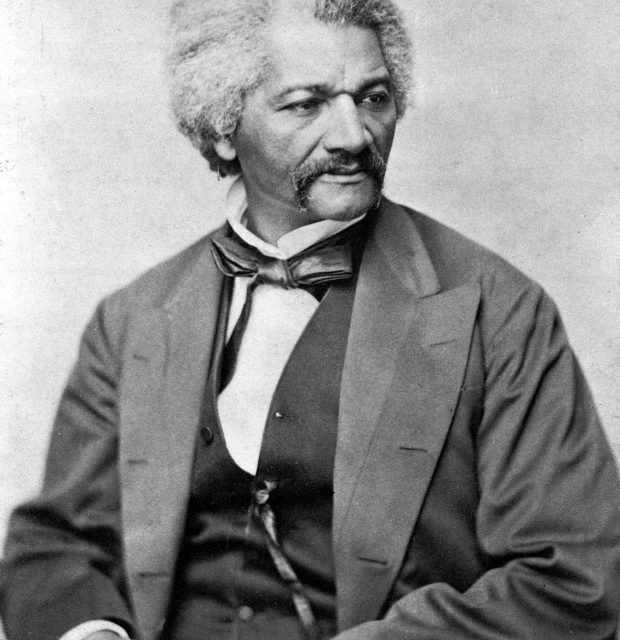
Frederick Douglass voiced the challenges of reconciling patriotic ideals with historical truths. His speech, “What to the Slave Is the Fourth of July?” criticized the celebration of independence during widespread slavery, calling it hypocrisy. Douglass, while critical of slavery, believed the U.S. Constitution was a “glorious liberty document” if interpreted correctly.
The Supreme Court’s ruling in Dred Scott v. Sandford reflects these historical complexities. Chief Justice Roger B. Taney wrote that Black people had no rights white men needed to respect, framing them as inferior. Despite this, Douglass maintained hope in the Constitution. He saw it as a foundation for eventual justice and equality.
Modern debates, like the Supreme Court’s recent decision on birthright citizenship, continue these historical dialogues. The ruling upheld the 14th Amendment, affirming citizenship for those born in the U.S., including former slaves. Yet, some justices pushed for a narrower interpretation, echoing ongoing disputes about constitutional application.
The aspiration toward a “more perfect union” demands grappling with history and ideology. While some may view such efforts as contentious, they are essential for national progress and understanding.
 Trump’s 2024 Reelection and Evolving Voter Dynamics
  Defense Secretary Emerges as Key Player in the Trump Administration
  Hegseth’s Vision for the Military: Balancing Tradition and Innovation
  Significant Funding Boosts Ken Paxton’s Texas Senate Campaign Amid Tight Race
  U.S. States Extend Gas Tax Waivers Amid Rising Fuel Costs Due to Iran Conflict
  USCIS Raises Immigration Fees