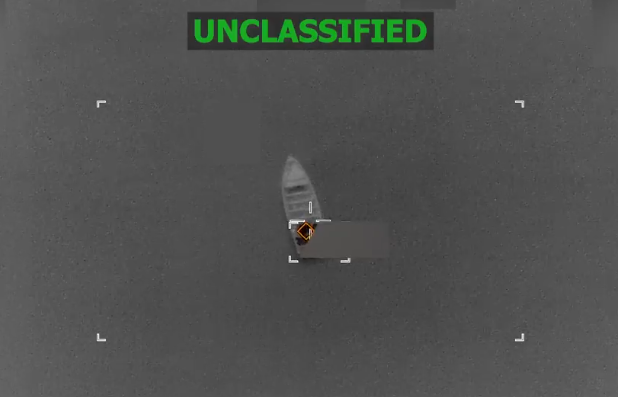
The U.S. military executed a strike against a boat labeled as a drug smuggler in the eastern Pacific Ocean. This action led to the death of five people. This incident is part of the Trump administration’s ongoing campaign against suspected traffickers in Latin America. Since September 2025, these strikes have resulted in the deaths of at least 240 people across more than 70 operations.
U.S. Southern Command stated that the recent target followed recognized smuggling pathways. Intelligence indicated the vessel’s active role in narcotrafficking; however, evidence supporting the presence of drugs on board was not provided. A video published on X displayed a small boat engulfed by an explosion. Before its destruction, the boat appeared stationary in the water.
President Trump has categorized the conflict with Latin American cartels as an “armed conflict.” He has justified these military actions as efforts to curb the influx of drugs into the U.S. and reduce fatal overdoses. Nonetheless, the administration has faced criticism for lacking evidence to substantiate their attacks against alleged “narcoterrorists.” Critics challenge both the legality and effectiveness of such tactics, particularly given that most fentanyl—blamed for many deaths—is typically smuggled overland from Mexico with ingredients sourced from China and India.
Some Democratic lawmakers and military legal experts have scrutinized these missions closely. In May, the Pentagon’s watchdog announced plans to assess whether established targeting procedures were observed during these operations, which includes evaluating a commander’s intent, target development, and execution. However, this analysis will not examine the legal grounds of these strikes.
Recently, these strikes have operated under a newer strategy influenced by Secretary of State Marco Rubio’s September call for regional allies’ approval for conducting operations. Rubio emphasized the U.S.’s capacity to act independently but expressed a preference for collaboration with allies for greater efficacy. Despite this, his statement in Peru suggested continued readiness for unilateral actions if necessary.
In past operations, the U.S. military attacked various alleged drug-smuggling vessels based on intelligence. For instance, in August, the military targeted a semi-submersible vessel in the Pacific Ocean, resulting in two fatalities. Another operation in June involved a Caribbean strike where two were killed, and six survived. Lawmakers have urged the Pentagon to release unedited footage of the first such strike after allegations surfaced regarding subsequent strikes on survivors.
Controversy has emerged over whether these actions could be classified as war crimes. While some congressional Republicans and the Defense Department argue survivors could have still posed threats, others call for further investigation. In a notable incident in September 2025, an aircraft painted to resemble a civilian plane was used against a boat from Venezuela, resulting in 11 fatalities.
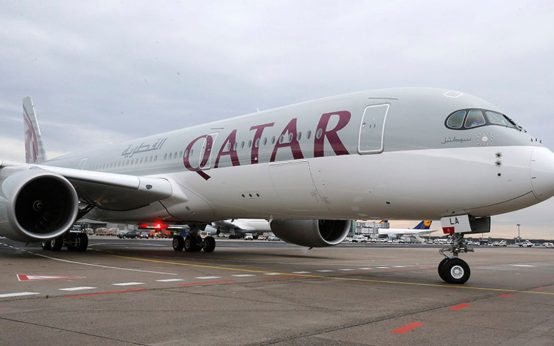 In-Flight Altercation on Qatar Airways Leads to Police and FBI Response
 Virginia Residents Sue Over Alleged Immigration Violations
 Updates on Key International and Domestic Events
 Pope Leo XIV Completes South American Tour with Farewell Mass in Peru
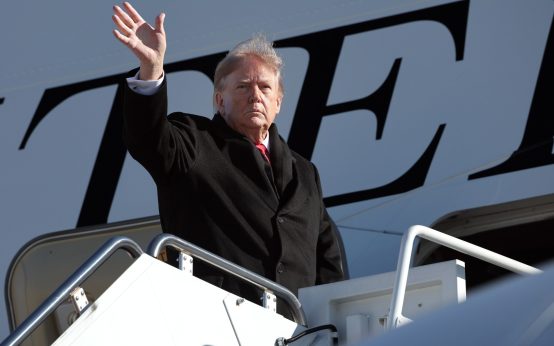 President Trump’s Critical Asia Trip: Key Meetings and Implications
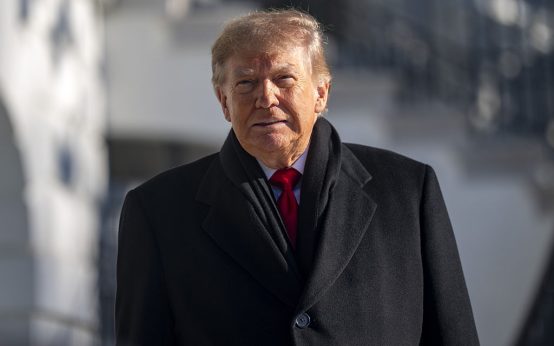 U.S. Plans to Restrict AI Chip Exports Before Trump-Xi Meeting