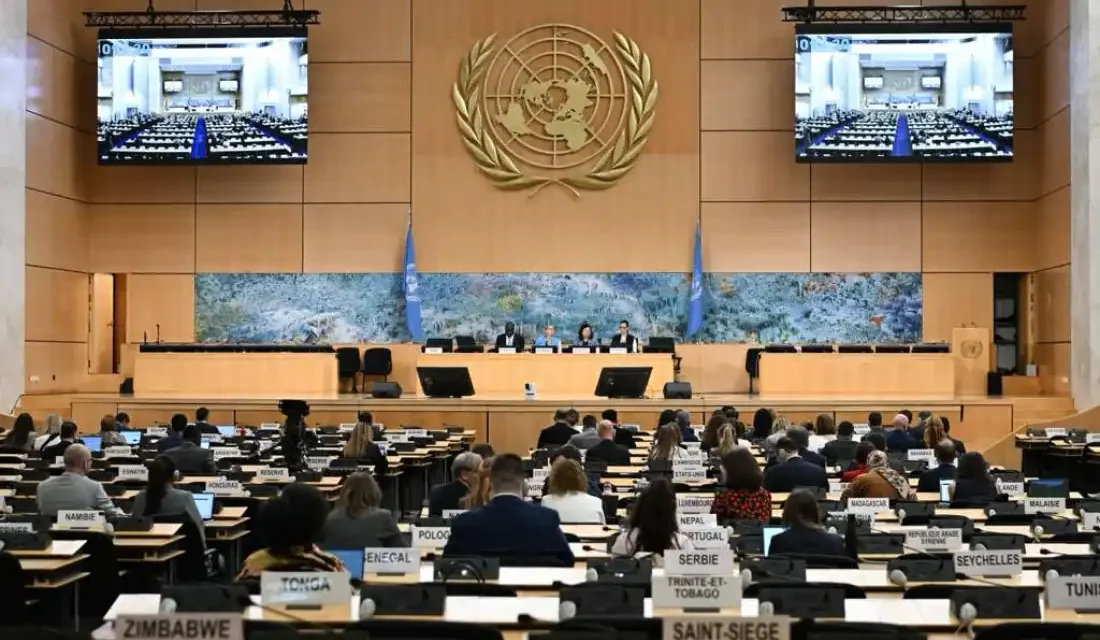
The U.N. Human Rights Council convened at the Palais des Nations in Geneva on September 30, 2026. The session was notable for the absence of the United States, which boycotted its human rights review for the second consecutive year, marking a historic first among member states.
The universal periodic review is essential for evaluating each state’s human rights record every four to five years. States and civil society groups present evidence to ensure accountability and peer evaluation, even for powerful countries. The American Civil Liberties Union led a delegation to Geneva, with Human Rights Director Jamil Dakwar criticizing the U.S. administration for ongoing human rights abuses concerning immigrants, student protesters, and the LGBTQ community. Dakwar urged the U.N. to hold the U.S. accountable, warning of efforts to undermine human rights.
In a written statement, the State Department acknowledged its withdrawal from the U.N. Human Rights Council, citing anti-American bias. This does not exempt the U.S. from participating in the review, a requirement for all 193 U.N. member states. Human rights organizations see this as part of a broader U.S. disengagement from multilateral institutions, referencing sanctions on the International Criminal Court and departure from the World Health Organization.
The U.N. faces a challenge in addressing the U.S. absence. Historically, sanctions are limited against non-compliant countries. Israel once skipped a review in 2013, accusing the process of bias, but returned after rescheduling. The U.S. no-show for two consecutive years is unprecedented. Rights organizations advocate for proceeding with the review, presenting evidence of violations. U.N. insiders worry that this might set a precedent, potentially encouraging other nations to abstain from participation.
For now, the U.N. has deferred decision-making until early next year. The postponement leaves a vital mechanism for addressing human rights abuses unavailable to U.S. citizens. One activist described the situation as “a crisis of accountability.”
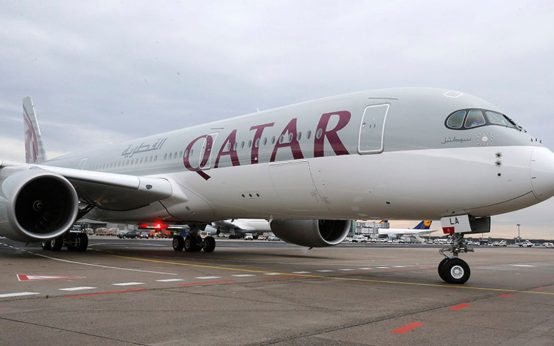 In-Flight Altercation on Qatar Airways Leads to Police and FBI Response
 Virginia Residents Sue Over Alleged Immigration Violations
 Updates on Key International and Domestic Events
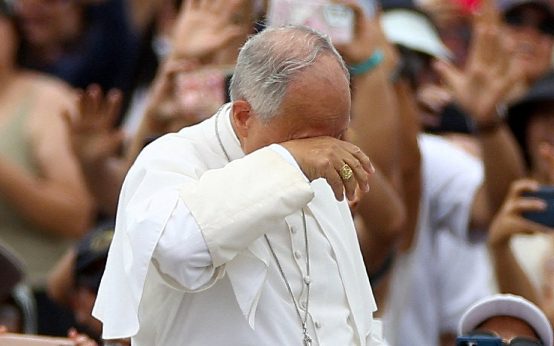 Pope Leo XIV Completes South American Tour with Farewell Mass in Peru
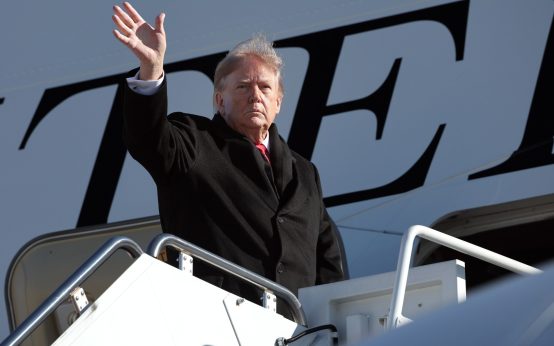 President Trump’s Critical Asia Trip: Key Meetings and Implications
 U.S. Plans to Restrict AI Chip Exports Before Trump-Xi Meeting