The United States is set to enforce a 25% tariff on imports from Brazil, following accusations of unfair trade practices by one of the world’s largest economies. The tariffs, which were first suggested in the previous month, will be effective starting July 22.
According to senior officials in the Trump administration, who provided information anonymously, certain goods will be excluded from these tariffs. This includes products that are not manufactured in the U.S. or that may interfere with existing supply chains. Exempted items comprise coffee, beef, oranges, orange juice, specific energy products related to oil and gas, and aerospace components.
“Whether it is punishing U.S. technology companies for refusing to censor political speech, backsliding on anti-corruption enforcement, or allowing Brazilian farmers to exploit illegally logged land to gain an advantage over American farmers, Brazil’s unfair trading practices have prevented U.S. workers and producers from accessing this important market with over 210 million consumers,” U.S. Trade Representative Jamieson Greer expressed in a statement.
Administration officials aim for a strategic approach by selecting goods for tariffs that do not disrupt the U.S. market. After a year of investigation, the U.S. Trade Representative’s office reported that Brazil engaged in practices considered unfair, such as weak anti-corruption measures and their tariffs, despite the U.S. enjoying a goods trade surplus with Brazil over the years.
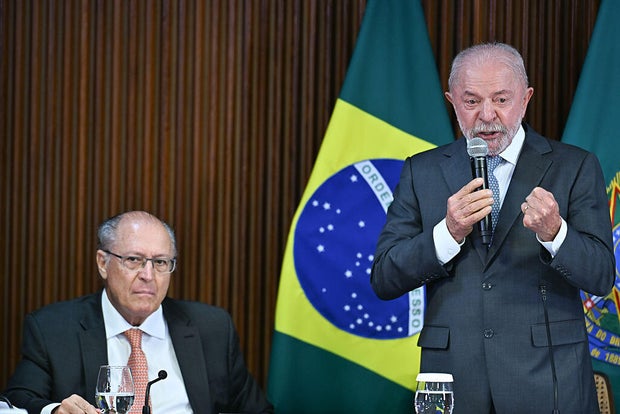
Brazilian President Luiz Inácio Lula da Silva expressed strong opposition after the U.S. announced its tariff plans in early June. He attributed the measures to political reasons, citing his political contender, Sen. Flávio Bolsonaro, who had visited Washington recently. Bolsonaro is the son of former President Jair Bolsonaro, a Trump ally. However, U.S. senior officials dismissed these political concerns, highlighting long-standing trade grievances with Brazil. Although the Brazilian government began engaging in meaningful discussions recently, U.S. officials contend that insufficient progress was observed.
The imposition of these tariffs falls under Section 301 of the Trade Act of 1974, allowing the U.S. to investigate Brazil’s trade practices. Earlier in February, the U.S. Supreme Court ruled against various tariffs imposed by Trump under the International Emergency Economic Powers Act of 1977, determining he had exceeded his authority.
In previous instances, Trump had used this act to impose high tariffs on Brazil in opposition to Jair Bolsonaro’s legal challenges against his electoral defeat in 2022. However, there was an improvement in U.S.-Brazil relations in May, following an official visit by Lula to the White House. As of November 2025, the U.S. had lifted 40% of tariffs on Brazilian goods, citing advancements in trade discussions with Brazil at that time.