
Chronic low back pain is an ailment experienced by many individuals at some stage in their lives. This condition, persisting longer than 12 weeks, ranks as a primary cause of disability globally. It may stem from a variety of conditions such as arthritis, herniated discs, or spinal stenosis. Often, however, the cause remains unknown for most sufferers.
Acupuncture: An Ancient Remedy
Acupuncture involves inserting needles into specific skin points and has demonstrated effectiveness on its own. This technique can also complement conventional treatments such as exercise. Acupuncture practitioners claim it helps reduce pain and improve function, offering relief for those with chronic low back pain.
Hydrotherapy: Water-Based Treatment
Hydrotherapy uses water for therapeutic purposes. This approach can include exercises in warm water pools. The buoyancy and warmth can help reduce pain and improve movement. Hydrotherapy sessions often aim to strengthen and relax muscles, promote circulation, and increase flexibility.
Cognitive Behavioral Therapy: Changing Mindsets
Cognitive Behavioral Therapy (CBT) focuses on altering thought patterns to influence feelings and behavior. For chronic pain sufferers, CBT can provide strategies to manage pain better. It empowers individuals by changing negative thought cycles and teaching coping techniques to deal with discomfort more effectively.
When combined, these therapies can offer a multifaceted approach to managing chronic low back pain. Individuals can benefit by consulting health professionals to determine the most appropriate treatment combination for their specific conditions.
 Understanding Inflammation: Myths and Facts
 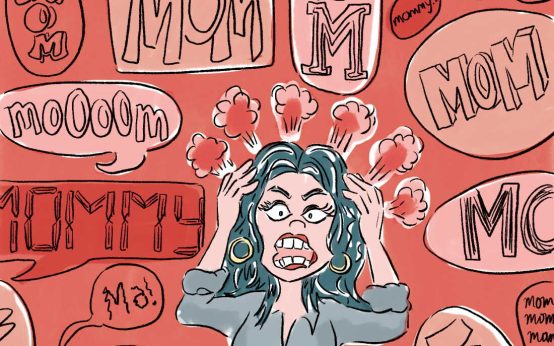 Calm Parenting: Strategies to Manage Stress
 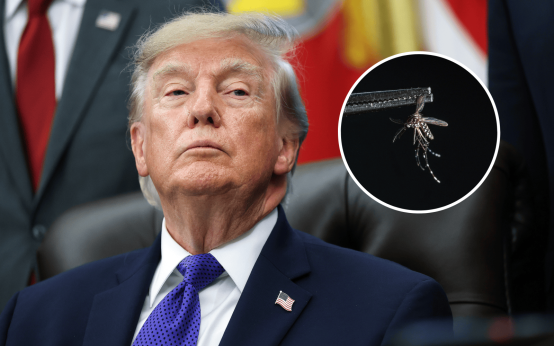 Trump’s Executive Order to Combat Mosquitoes and Ticks in D.C.
  Overcoming Weight Loss Challenges: Brain Health and GLP-1 Medications
  Supporting Children’s Mental Health at Home: Practical Steps for Parents
  Abdul El-Sayed’s Strategy to Attract Health-Conscious Voters in Michigan