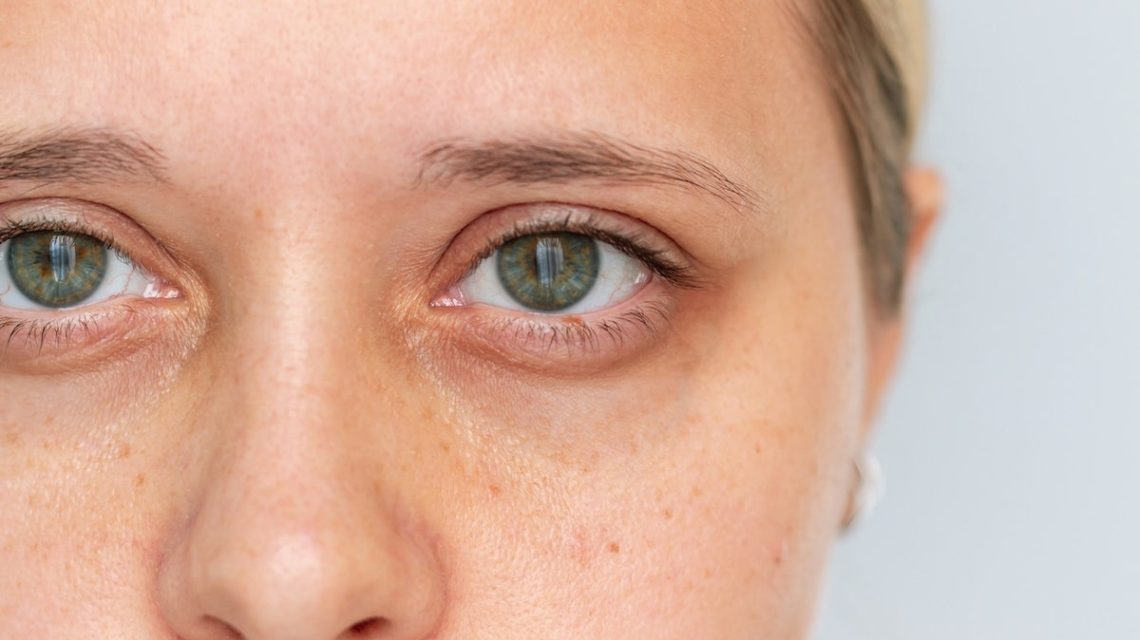
Dark circles under the eyes could indicate more than cosmetic concerns. Medical experts suggest that these dark circles can sometimes be a signal of low iron levels, a condition gaining attention on social media under the name ‘ferritin face.’
What Is Ferritin?
According to Dr. Josef Hadeed, a double board-certified plastic surgeon, ferritin functions as the body’s iron storage. It is a protein that maintains iron inside cells, releasing it when needed. When ferritin levels drop, the body struggles to produce hemoglobin, essential for transporting oxygen through red blood cells. Low iron impacts skin elasticity, making it appear thinner and less resilient.
Symptoms of Low Ferritin
Dark under-eye circles and pale skin are possible signs of low iron. Other symptoms include low energy, fatigue, dizziness, headaches, fainting, brittle nails, hair loss, cravings for ice, and restless legs syndrome, according to Dane Thomas, a hematology/oncology physician associate. Additional symptoms include decreased exercise tolerance, concentration difficulties, and shortness of breath during exertion.
Underlying Conditions
Beyond appearance, ‘ferritin face’ might suggest underlying health issues like chronic bleeding, gastrointestinal disorders, or malabsorption. Bariatric surgery and certain medications, like proton pump inhibitors, can contribute to iron deficiency. Pregnancy, heavy periods, frequent blood donation, and diets lacking in iron-rich foods are also risks, as noted by experts.
Diagnosis and Treatment
If low ferritin is suspected, seeking medical advice is crucial. Dr. Hadeed advises against self-treatment as excess iron can cause harm. A simple blood test by a healthcare provider can establish iron levels. Further evaluations may include stool and urine tests for blood, and endoscopy to examine the esophagus, stomach, and colon.
Treatment for iron deficiency might involve oral supplements and, in severe cases, intravenous iron or blood transfusions. Thomas highlights that oral iron can cause gastrointestinal side effects, which can be managed by taking iron every other day. Iron supplements should be spaced apart from calcium, dairy, and antacids to enhance absorption.
Dietary Considerations
Integrating iron-rich foods into the diet aids in managing iron levels. Foods like beef, pork, lamb, organ meats, chicken, turkey, duck, fish, leafy greens, legumes, and iron-enriched cereals are beneficial. Once iron stores and hemoglobin levels normalize, dark under-eye circles can fade over months.
Addressing ‘ferritin face’ with proper medical guidance can help restore a healthy appearance. It is important to identify and treat the underlying causes of low iron levels to prevent recurrence.
 Increased Funding Needed for Psychiatric Hospitals
  Trump Administration Distributes ACA Refund Checks
  Higher Consumption of Ultra-Processed Foods Linked to Increased Health Risks
  Understanding Inflammation: Myths and Facts
  Calm Parenting: Strategies to Manage Stress
  Trump’s Executive Order to Combat Mosquitoes and Ticks in D.C.