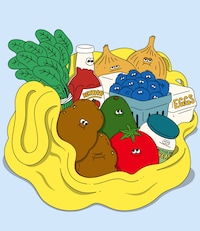
In recent times, increasing grocery prices and the risk of produce-related illnesses have put a spotlight on food safety. It is crucial for you to consider effective storage methods to extend the freshness of your groceries. Let’s explore some guidelines to help you keep your food safe and lasting longer.
Maximizing Freshness and Safety
After shopping and meal-prepping, storing groceries correctly ensures maximum freshness. Fruits, vegetables, and other perishable items can spoil quickly if not properly stored.
Ripening Techniques
If you find your avocado isn’t ripe and you’re eager to prepare guacamole, speed up the ripening process by placing it in a paper bag with a banana or apple. These fruits emit ethylene gas, which encourages ripening.
Storage Tips for Fresh Berries
Avoid washing fresh berries before storing them in the fridge. Moisture can lead to mold development, cutting their shelf life. Wash them only when you’re ready to eat.
Maintaining Condiments
Once you’ve opened a bottle of ketchup, store it in the refrigerator to maintain quality. Cool temperatures prevent spoilage and maintain the flavor.
Yeast Storage for Occasional Bakers
If you have a large package of yeast but bake infrequently, store it in the freezer. Freezing keeps it potent for longer periods.
Storing Root Vegetables
Avoid placing potatoes near onions. Onions release moisture and gases that speed up potato spoilage. Opt for a cool, dry place for potatoes.
Keeping Carrots Crunchy
Fresh carrots last longer when stored in the fridge inside a container filled with water. This method maintains their crunchiness.
Nuts’ Shelf Life Optimization
To extend the shelf life of nuts, store them in the freezer. This method prevents oils in the nuts from going rancid.
Handling Raw Meat
When bringing home raw meat, you should cook or freeze it within a day or two. This prevents bacterial growth.
Preserving Tomatoes
If your tomatoes are ripe but you’re not ready to eat them, keep them at room temperature. Refrigeration affects their texture and flavor.
Egg Storage Practices
Keep cartons of eggs in the refrigerator. Eggs need a stable, cold environment to remain fresh and safe for consumption.
Adhering to these food safety and storage tips helps in reducing waste, saving money, and ensuring a safer diet. Implement these practices in your daily routine to extend the life of your groceries effectively.
 Unusual In-Flight Behavior Leaves Passengers Stunned
  Choosing the Perfect Ugg Boots for Comfort and Style
  Royal Caribbean Cancels Costa Maya Stop, Divides Passenger Opinions
  Triton College Hosts Trunk-or-Treat in Space Event
  Fall Activities and Entertainment Options in Southern California
  Becoming Punctual: Tips on Overcoming Chronic Lateness