
Polls are dominating the political landscape. Currently, Democrats lead in at least six of the nine critical battleground states essential for Senate control. They hold an advantage of two to 15 percentage points in generic ballots on House control.
In Michigan’s Senate election, some polls indicate Democrat Abdul El-Sayed ahead. Others suggest a closely contested race. This variation highlights the complexity and unpredictability of polling outcomes, especially in crucial elections.
It’s vital to assess what these polls signify as the midterms approach. They shape campaign strategies and voter expectations, impacting how elections unfold.
Monitoring polling trends offers insights into political momentum. Changes in lead or shifts in voter sentiment can signal emerging issues or the effectiveness of recent campaign tactics.
Understanding polling differences is essential. Each poll uses distinct methodologies, including sample size and demographic composition. These factors influence results and should be considered when evaluating predictions.
 Push for Reparations Faces Challenges and Calls for Strict Eligibility
  Xavier Becerra and Steve Hilton Debate on California’s Future
 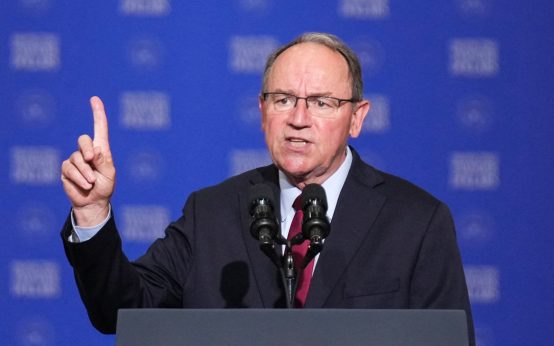 Wisconsin Gubernatorial Race: Tiffany vs. Crowley in a Tight Contest
  California Gubernatorial Debate: Becerra vs Hilton
  Gavin Newsom Seeks Inspiration from Bill Clinton for Potential Presidential Run
  California Superintendent Candidate Stands Firm Against Teachers Union Criticism