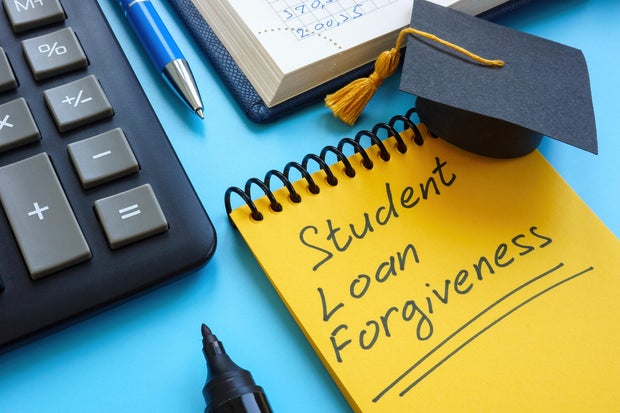
Public Service Loan Forgiveness (PSLF) remains a significant benefit within the federal student loan system. However, eligibility and requirements can be complex. The federal loan landscape has undergone notable changes recently, creating uncertainty for borrowers, especially those seeking PSLF.
Impact on Borrowers Seeking PSLF
PSLF provides a route for loan forgiveness to many working in public service roles, including teachers, nurses, government employees, and nonprofit workers. Recent policy changes have sparked questions about eligibility criteria, approved repayment plans, and necessary steps for those pursuing forgiveness.
The program is still accessible, but determining eligibility involves several factors beyond simply your place of work. Who qualifies for PSLF in 2026? Let’s explore.
Eligibility Criteria for PSLF in 2026
PSLF enables eligible borrowers to have their remaining federal Direct Loan balances forgiven after making sufficient qualifying monthly payments. Several criteria must be met, including full-time employment with a qualifying public service employer.
Eligible Public Service Employers
Working full-time for a qualifying employer is crucial for PSLF. Acceptable employers include:
- Federal, state, local, or tribal government agencies
- Public schools and colleges
- Eligible 501(c)(3) nonprofit organizations
- Certain nonprofits delivering qualifying public services
Verify your employer’s eligibility using the Department of Education’s PSLF Help Tool.
Eligible Federal Loans
PSLF is generally applicable to federal Direct Loans only. Borrowers with Federal Family Education Loan (FFEL) Program loans or Perkins Loans may need to consolidate them into a Direct Consolidation Loan to qualify. Remember, consolidation might impact your previous payment history.
Making Qualifying Monthly Payments
Payments must meet specific criteria. Typically, income-driven repayment (IDR) plans are used; the standard 10-year plan may also qualify in certain cases. Borrowers with loans after July 1, 2026, must follow the new Repayment Assistance Plan (RAP) to count payments under PSLF.
Certifying Employment
Regular employment certification helps ensure that your qualifying payment counts are up to date, reducing potential issues when pursuing forgiveness. Timely certification allows for early identification of any problems.
Employer Eligibility Changes
Recently, changes to PSLF regulations addressed organizations with a “substantial illegal purpose.” Although parts face legal challenges, nonprofit employees should continue monitoring for impacts on their employers.
Alternative Strategies for Affordable Student Loan Repayment
Not everyone will qualify for PSLF, and many will remain on the journey toward forgiveness for years. Alternative strategies can ease the burden of student loans:
- Income-driven repayment plans tailor payments to income, with several options available despite changes.
- Consolidation can streamline federal loans to access benefits. Consider its impact on payment history before proceeding.
- Seeking assistance, such as deferment or forbearance, can provide temporary relief for financially struggling borrowers.
- Refinancing with a private lender may yield lower interest rates, but forfeits federal benefits like PSLF.
Conclusion
PSLF offers tremendous student loan benefits. Eligible employment, the correct loans, authorized repayment plans, and proper documentation are key to achieving forgiveness. As policies evolve, regularly verify your eligibility, certify employment, and stay informed about any policy changes affecting your repayment plan.
 Troy Swanson: Award-Winning Librarian Transforming Academic Libraries
  Cornell University to Investigate Handling of Alleged Assault Case
  Legal Challenge Against School Funding Inequalities in West Virginia
  Potential Changes Loom for School Voucher Programs
  Regents Exam Elimination Raises Concerns Over Student and School Accountability
  Education Funding Disparities in West Virginia