
The Democratic primaries are witnessing a significant test of influence from Senator Bernie Sanders, Representative Alexandria Ocasio-Cortez, and their allies. These figures have endorsed a group of progressive Democrats for the 2026 midterm elections. Recent primaries serve as a reflection of the party’s direction, with progressives supporting left-leaning challengers, while party leaders and moderates rally behind more centrist choices.
From Senate races in Maine to House contests nationwide, these primaries are pivotal in determining if the Sanders wing can translate its energy into lasting power. The outcomes will not only decide which Democrats will be on the November ballot but also shape the message the party carries into a crucial election year.
However, the contentious primaries raise concerns about potential divisions within the party. Unity is essential, especially when aiming to regain control of the House of Representatives and Senate. Some segments of the base demand new, progressive leadership, frustrated with what they perceive as a weak approach to former President Donald Trump. Meanwhile, others warn that a shift towards a more progressive stance might alienate swing voters in key races, potentially affecting the party’s support.
Progressives Are Fired Up
The Democratic base felt exhausted after the 2024 elections when Trump defeated former Vice President Kamala Harris, resulting in losses across the country. This division among Democrats arises from differing opinions; some believe Harris was seen as too liberal, while others think the party failed to sufficiently mobilize its base.
Progressives are now energized for the midterms. According to Raymond La Raja, a professor of political science, primary voters appear to prefer candidates who demonstrate fighting spirit in a combative environment. The Democratic Party remains a diverse coalition more focused on winning elections than being strict about policies.
Is This Democrats’ Tea Party Moment?
The efforts to oust moderate Democrats and elect progressive candidates have drawn comparisons to the GOP’s Tea Party movement, which played a critical role in the 2010 midterms. The Democratic Tea Party movement involves progressive activists working to shift the Democratic Party leftward.
This frustration is particularly pervasive among young progressives, a crucial voting bloc that Democrats struggled with in 2024 due to dissatisfaction over the party’s stance on issues like the Israel-Hamas conflict and humanitarian concerns in Gaza.
Progressive Victories Are ‘Different’ From Tea Party
While progressive victories are anticipated, they differ from the Tea Party’s influence. Progressives have gained traction through a gradual process rather than a swift reaction, reminiscent of 2016 electoral cycles. Sanders has emphasized a movement against Trump’s policies and an alternative to the Democratic establishment, which he perceives as dominated by big-money interests.
The narrative of progressives versus centrists is still unclear. Democratic strategist Eddie Vale highlights the varied successes across districts, likening it to voters choosing different preferences at a buffet.
Recent Progressive Wins
In Pennsylvania, Chris Rabb, supported by Ocasio-Cortez, defeated moderates for a Philadelphia congressional seat. Rabb garnered backing from the Democratic Socialists of America, marking significant support for the left.
Across various states, progressives like Juliana Stratton in Illinois, Frederick Haynes in Texas, and Analilia Mejia in New Jersey have secured victories. However, in conservative states like Kentucky and Maine, progressives like Charles Booker and Graham Platner face tougher challenges from Republican opponents.
Mixed Results for Progressives
Not all progressives have succeeded in securing their nominations. In Illinois, centrist candidates like Donna Miller triumphed over progressive counterparts. Nebraska’s John Cavanaugh and North Carolina’s Nida Allam also faced defeats from moderates.
In some areas, candidates backed by Sanders and moderate Democrats demonstrated unity. For instance, Bob Brooks and Brian Poindexter won in Pennsylvania and Ohio, receiving endorsement from groups like the Blue Dog Coalition.
Michigan Senate Race As a Progressive Test
Upcoming races will further test the ideological divides within the party. Michigan’s divided Senate race showcases a contest between progressive Abdul El-Sayed and centrist Haley Stevens. This race could become pivotal for progressives in a swing state that leaned slightly toward Trump in 2024.
The internal conflict over issues like Gaza underscores the challenge of balancing diverse voter interests.
Upcoming Primaries to Gauge Progressive Success
Future primaries will continue to measure the success of progressive leadership against longstanding incumbents. Candidates such as Mai Vang, Melat Kiros, and others are challenging more established figures in several districts.
Democratic Leadership Faces Criticism
Democratic leaders like Chuck Schumer face criticism from progressives for perceived inadequacies in confronting Trump. Despite past voting tactics that caused unrest among party members, leaders have intensified efforts during moments like the 2025 government shutdown.
Will Progressive Victories Backfire?
Raymond La Raja suggests moderates typically fare better in contested districts, but progressives may not necessarily hinder the party’s success in November. Voter dissatisfaction with the Republican direction may lessen the ideological impact during the general election.
Progressives incorporating diverse stances, including anti-Israel positions, as litmus tests risk negative consequences for the party and broader concerns.
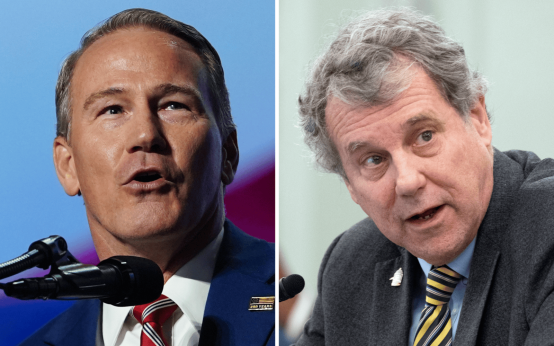 Republicans Boost Spending in Ohio Senate Race Amid Growing Concerns
  Kushner Criticizes CNN Article Over Claims of Conflict of Interest
  Debate Urged in Texas Senate Race as Paxton Faces Criticism
  Mayor Mamdani Responds to Netanyahu’s United Nations Speech
  Iowa Senate Race: Attendance Records in Focus as Hinson and Turek Square Off
 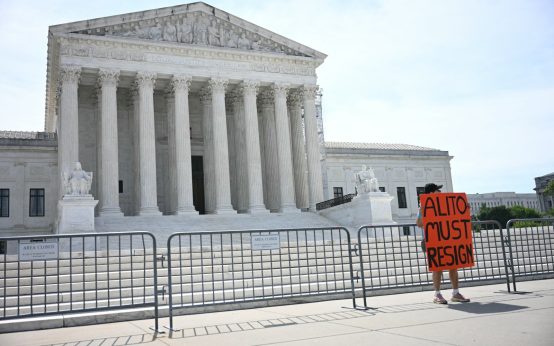 Justice Alito Discusses Supreme Court Decisions and Criticism