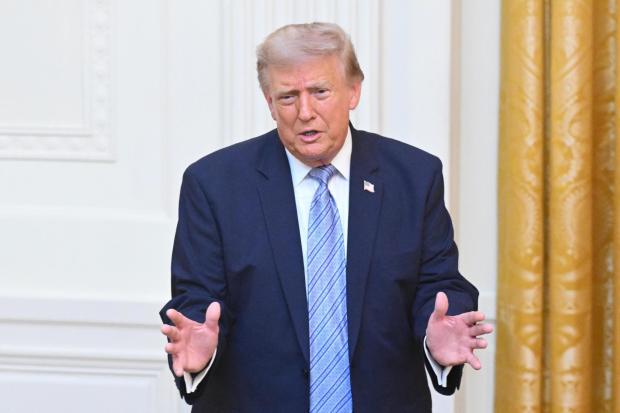
In a national address, President Donald Trump highlighted the importance of secure elections. He claimed federal efforts were necessary to prevent elections from being “stolen.” However, a key strength of U.S. elections is their decentralization. Elections are held across more than 10,000 jurisdictions with unique rules set by state and local governments. This complex structure helps safeguard against widespread fraud. Though rare, misconduct is often detected by security protocols.
Decentralized elections have been a part of U.S. history since the nation’s founding. The Founding Fathers gave election authority to states rather than the federal government. While Congress can regulate elections, the Constitution ensures states have the primary role in setting election rules. The U.S. lacks a national election agency for presidential contests, unlike many other countries. Responsibility for conducting elections rests with local officials, often a clerk or supervisor, with support from staff and volunteers. Variations in election laws can be confusing, but experts argue that this system enhances security. Allegations of election fraud, like those by Trump regarding the 2020 election, suggest a scenario requiring widespread, coordinated misconduct—a highly improbable occurrence.
Shared practices and security measures across the nation ensure eligibility and a single vote per voter. Allegations of voter fraud include casting multiple ballots, voting as deceased individuals, or stealing mail ballots. Such crimes, which are rare, are often detected and punished with fines and imprisonment. Non-citizens face deportation for breaking election laws. The U.S. election system includes layers of protection and transparency to counter fraudulent activities.
In-person voting often requires identification, while absentee voting demands a signature. Many states have additional safeguards, such as signature verification by bipartisan teams, notarization, or witness signatures. These checks reveal any dishonest activities like ballots mailed from former addresses.
An Associated Press review in 2021 examined claims of voter fraud in six contested states from the 2020 election. It found fewer than 475 cases of fraud, insufficient to affect the election’s outcome. Courts, state officials, and Homeland Security have debunked Trump’s fraud claims. Former Attorney General William Barr confirmed no evidence of large-scale voter fraud in the 2020 election.
 Latino Voters Show Less Support for Trump and GOP
  Rep. Emmer Criticizes Far-Left Democrats, Rallying Support for GOP
  Latino Men Shift Away from Trump Ahead of Midterms
  Jonathan Turley: Left Demonizes Supreme Court
  Michael Lewis Sheds Light on the Realities of Government Work in New Book
  Saturday Night Live’s Political Cold Open Features GOP Sketch