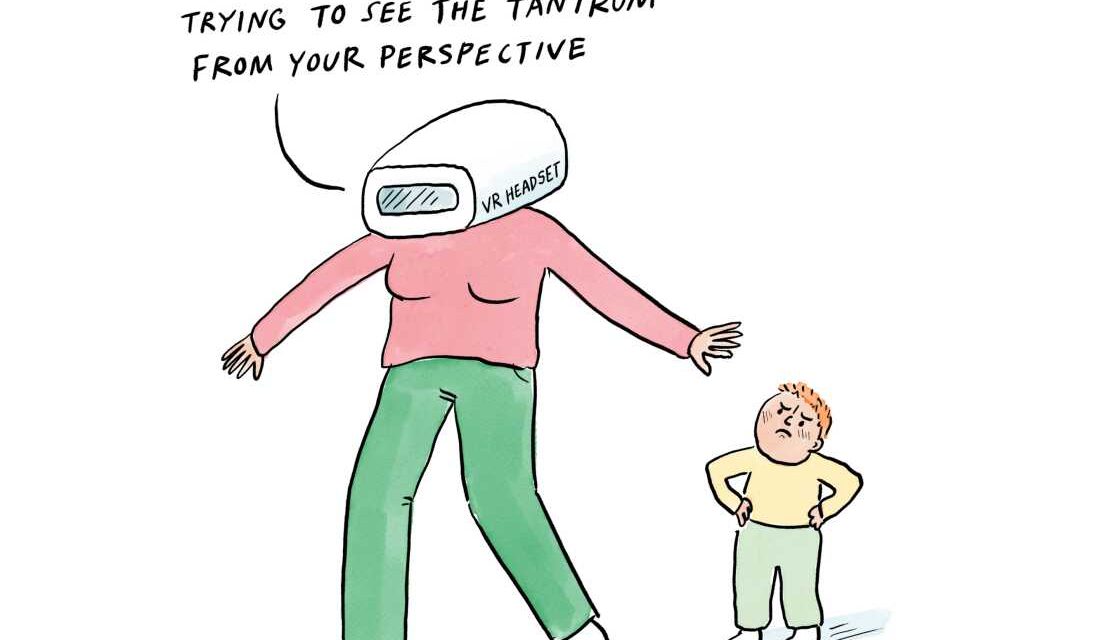
Parenting a two-year-old often feels like an emotional rollercoaster. One moment they shower you with cuddles, the next they refuse their favorite foods. Breakfast might be a battle, and getting shoes on, a challenge. As a parent, it can feel like navigating a constant ping pong of emotions.
Pediatric psychologist Roger Harrison explains that such swift changes in emotions and defiant behavior are natural for children aged one to three. These behaviors help develop their sense of self and teach them about the world. Yet, parents often find this challenging. Understanding the developmental context of these behaviors can help manage frustrations.
When a toddler’s emotions lead to tantrums and power struggles, patience can wear thin. According to Harrison, reframing these behaviors as part of social and emotional learning can provide relief. Understanding the reasons behind a child’s actions allows parents to approach situations strategically.
Common Toddler Behaviors and How to Handle Them
Why Do Toddlers Say “NO” to Everything?
Toddlers often say “no” to assert independence. According to Harrison, this is a part of developing self-awareness. When a toddler says no to a favorite item, they may be expressing their newfound independence.
Parent Tip: Encourage cooperation by modeling calmness. If your child resists leaving the playground, offer two choices: Go down the slide once more and leave together, or be carried out.
Why Do Toddlers Claim Everything as “Mine”?
In a toddler’s world, ownership rules differ. This can be part of asserting control and understanding identity. Declaring things as “mine” helps them explore their environment and their place within it.
Parent Tip: Teach sharing by modeling and practicing the behavior. Encourage your child to request turns using simple phrases.
Why Do Toddlers Engage in Licking, Smashing, and Crashing?
Toddlers explore their world through sensory experiences. Smashing or crashing into objects allows them to learn about their surroundings and build physical skills like balance and coordination.
Parent Tip: As long as it’s safe, let your child explore. Create activities that encourage sensory learning, such as obstacle courses or taste tests.
Why Do Toddlers Repeat Unwanted Behaviors?
Repeating instructions often indicates a loss of control. Toddlers might not fully understand negation. Instead of saying what they should not do, guide them on what they should do.
Parent Tip: Direct your child positively. Instead of saying not to run, say, “Walk slowly in the kitchen.”
Why Do Toddlers Struggle with Transitions?
Toddlers may find transitions difficult due to lack of control. While they need routine, moving between activities can cause frustration and resistance.
Parent Tip: Provide choices to empower your child. Offer simple decisions like choosing a plate color to help them feel in control.
The goal of guiding toddlers is to give them manageable power to make decisions. This prepares them for future independence and consideration of others.
We welcome feedback at 202-216-9823 or via email at [email protected]. Follow Life Kit on Apple Podcasts, Spotify, or sign up for our newsletter. Connect with us on Instagram @nprlifekit.
 Trump Administration Distributes ACA Refund Checks
  Higher Consumption of Ultra-Processed Foods Linked to Increased Health Risks
  Understanding Inflammation: Myths and Facts
  Calm Parenting: Strategies to Manage Stress
  Trump’s Executive Order to Combat Mosquitoes and Ticks in D.C.
  Overcoming Weight Loss Challenges: Brain Health and GLP-1 Medications