
Nationwide ground stops are infrequent, but having travel insurance in such cases can be beneficial. When traveling by air, delays or cancellations are possible, stemming from weather issues or mechanical problems. Recently, a new disruption category emerged with a nationwide ground stop in mid-November.
On November 13, the Federal Aviation Administration (FAA) implemented a ground stop due to technical and communication malfunctions, rendering flying unsafe. This halt lasted four hours, resulting in numerous cancelled or delayed flights.
Travel Insurance and Ground Stops
Understanding if travel insurance covers cancellations and delays from events like ground stops is crucial. Travel insurance may offer coverage if your flight is cancelled or delayed beyond a specific duration, which varies by policy.
The FAA’s reason for the halt was a technical issue tied to a maintenance update in Arkansas. While it differs from typical equipment failures like landing gear problems, such a malfunction typically qualifies for coverage. Whether your insurer agrees and if your delay or cancellation meets the policy’s requirements are key considerations.
Delays Coverage
Most policies include trip delay coverage. This coverage reimburses expenses such as meals, lodging, and transportation if the delay exceeds the policy’s minimum. Policies often cover delays from six to 12 hours. Since ground stops can range from several minutes to days, significant delays may require you to leave the airport and find overnight lodging. Shorter delays may not be covered.
Cancellations and Interruptions Coverage
If a flight is cancelled due to a ground stop, airlines must either rebook you or offer a full cash refund. While this covers the flight, you might still face costs for prepaid hotels, tours, or cruises, along with meals and lodging. Policies with trip cancellation and interruption coverage can reimburse these prepaid, nonrefundable expenses. Trip interruption coverage also applies to ongoing trips, covering unused costs and transportation back home.
When Coverage Might Be Denied
Never assume automatic coverage for a ground stop under your travel insurance. Understanding your policy beforehand ensures you are not caught off guard.
Here are scenarios where coverage might be denied:
- Basic or limited plans: Basic plans often lack trip delay coverage and other useful benefits for ground stops. Comprehensive plans are more likely to offer coverage.
- Time thresholds: Policies may require delays to extend for a specified time, such as six, eight, or 12 hours. For example, if your delay is five hours and the plan requires six, reimbursements may not apply.
- Strict definitions: Some plans might only cover delays caused by the carrier, such as mechanical failures. An FAA-imposed ground stop might not fall under this definition.
While ground stops are rare now, they might increase as infrastructure ages. Airlines aren’t obligated to provide hotel vouchers or reimburse expenses for unscheduled disruptions, highlighting the importance of travel insurance. Understanding what your policy offers prepares you for unexpected events.
 Life Changes After Moving from Chicago to Toronto
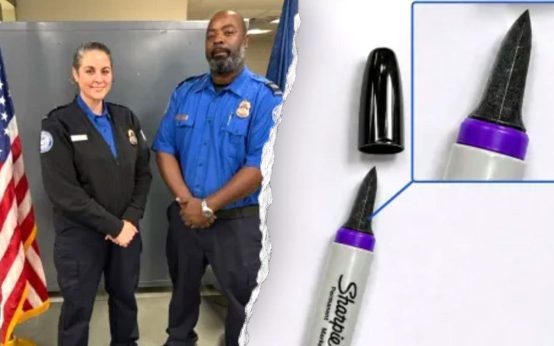 Sharpie Marker Conceals Blade at Airport Screening
 Challenges and Etiquette in Shrinking Airplane Seats
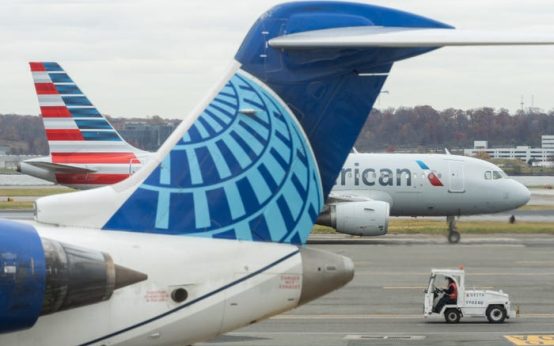 American Airlines Planes Make Contact on Runway at DC Airport
 Willow Hill Golf Course’s Festive Light Show and Charitable Initiative
 Climbing Kilimanjaro: A Journey of Contrasts