
The United States and Iran have reportedly come to a preliminary agreement aimed at reopening the Strait of Hormuz. This waterway is crucial for global oil and natural gas transportation. However, the absence of a formalized agreement leaves many aspects uncertain, such as how soon shipments could restart and when oil prices might decrease.
According to Carl Weinberg, the chief economist at High Frequency Economics, the timeline for prices dropping remains unclear. He stated, Prices are not going to drop quickly.
Before the conflict began on February 28, the strait was responsible for the passage of about 20 percent of global oil and natural gas supplies. Its closure since then has impacted global trade significantly.
The specifics of the agreement are still under discussion. It is uncertain what control Iran would maintain over the strait, including the possibility of imposing a passage fee. A military advisor to Iran’s supreme leader recently suggested that Iran has a legal right to manage the strait. This statement indicates that Iran might leverage control to generate funding.
The conflict has trapped about 1,500 to 2,000 ships in the Persian Gulf. Even with the potential reopening of the strait, multiple challenges remain. Shipping companies will need to assess the long-term stability of the peace agreement and determine the safety of navigating the narrow passage.
 British Police Arrest Man Suspected of Terror Plot
  Activists Push for Nationwide Ban on Child Marriage in the U.S.
  Investigation into Alleged Incident at Cornell University
  Rising Drone Threats Highlight Vulnerabilities in Moldova’s Airspace Defense
  Bolivia Faces Security Test Amid Unrest
 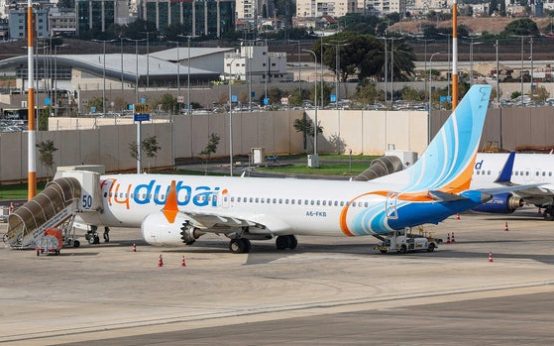 Incident on FlyDubai Flight Raises Security Concerns