Fox News senior White House correspondent Jacqui Heinrich reported on President Donald Trump’s announcement that the U.S. will halt its aid to Israel by the end of the year. This announcement comes as midterm elections begin.
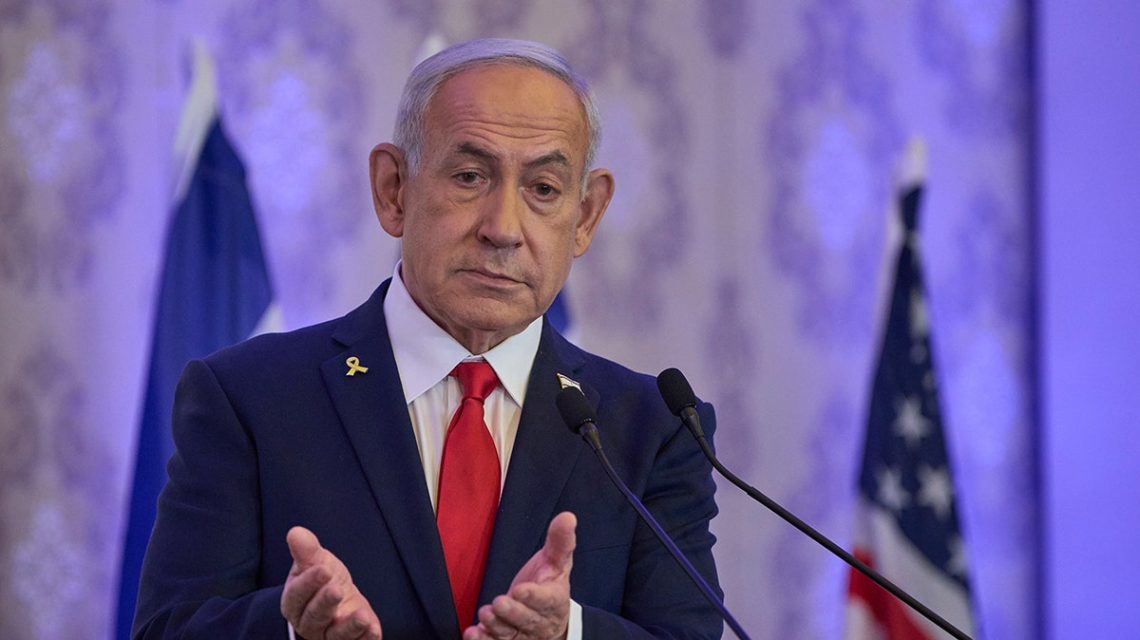
In Israel, Prime Minister Benjamin Netanyahu’s ability to maintain power faces a test. President Isaac Herzog will consult with party leaders from the 26th Knesset to decide who will form the next government. The final vote count gave Netanyahu’s bloc 53 seats out of 120, while the opposition led by Gadi Eisenkot holds 48. A minimum of 61 seats is needed to form a government.
On Monday, Netanyahu posted on X, expressing that the public in Israel prefers a government not reliant on Ra’am and the Joint List. Both are Arab parties, which won a historic combined 19 seats. This positions them as potential kingmakers in the government formation.
A clear majority in the Jewish public chose the Likud as the largest party and me, as prime minister, to lead the next government.
While the Joint List is likely to endorse Eisenkot, he will face challenges assembling enough support. Herzog’s consultations will start with parties having fewer seats, moving towards those with more, such as Likud with 27 seats.
Commentators suggest that Herzog will select a candidate backed by a majority in the Knesset, initially favoring Eisenkot. However, disagreements in the opposition may hinder forming a coalition.
Potential for a minority government exists if Arab parties support from outside, though this is rare post-elections. History shows such formations during a term, such as in Netanyahu’s current term when an ultra-Orthodox party left the coalition but continued external support.
Some parties, like Religious Zionism-Zehut and Otzma Yehudit, have confirmed their backing of Netanyahu to Herzog. Meanwhile, figures like Dan Diker emphasize the need for Netanyahu, Eisenkot, and others to collaborate given regional tensions involving Iran.
With the 26th Knesset inaugurating on November 10, new members will commence duties as existing ministers stay on under parliamentary oversight. Discussions continue about replacing the Knesset speaker and passing legislation.
Commentators such as Diker note that if Eisenkot fails, the mandate will pass to Netanyahu. This could lead to a 21-day period where any Knesset member might attempt to form a government if they gain enough support.
Lessons from past arrangements, like the 1984-1988 unity government amid economic turmoil, serve as potential models. Unity governments address significant issues effectively but may later face internal disputes.
 In-Flight Altercation on Qatar Airways Leads to Police and FBI Response
 Virginia Residents Sue Over Alleged Immigration Violations
 Updates on Key International and Domestic Events
 Pope Leo XIV Completes South American Tour with Farewell Mass in Peru
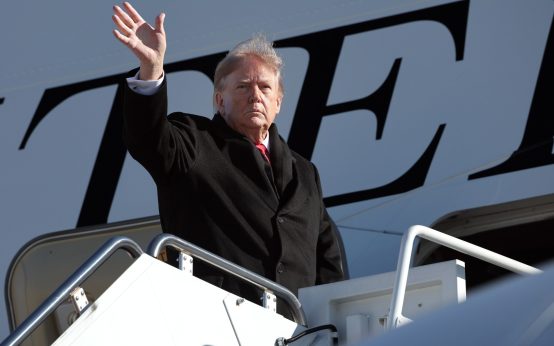 President Trump’s Critical Asia Trip: Key Meetings and Implications
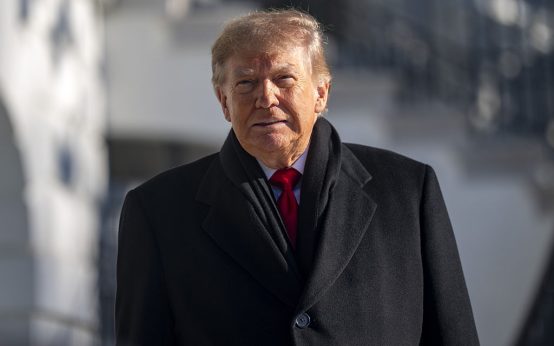 U.S. Plans to Restrict AI Chip Exports Before Trump-Xi Meeting