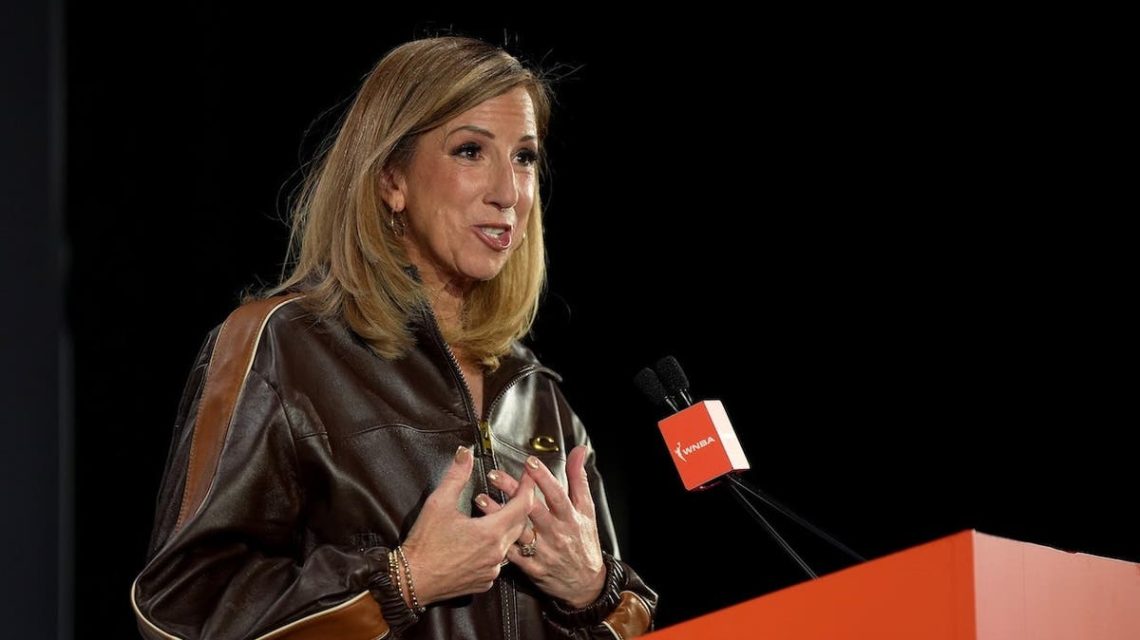
The Women’s National Basketball Association (WNBA) has been tackling an unresolved question: what defines a woman in sports? The league initiated a task force to explore this issue but has not yet reached a conclusion. Instead, further discussions are planned, while the ongoing debates have provoked accusations of ‘hate and vitriol’ within public discourse.
Recently, the WNBA shared an update on its progress, chiefly announcing more meetings. A statement from the Women’s National Basketball Players Association (WNBPA) emphasized the range of topics covered in their latest meeting. These included discussions about transgender athletes and online hostility towards players. They confirmed their commitment to ongoing engagement with all stakeholders, aiming to align these conversations with the league’s values. The league also denounced efforts to marginalize or demean individuals within these debates.
“There are no immediate eligibility matters affecting the WNBA, and we strongly denounce the bad-faith efforts to use these topics to demean or marginalize others.”
WNBA Commissioner Cathy Engelbert, faced with a challenging predicament, presides over a league without a clear definition of womanhood. This ambiguity has been spotlighted by ex-NBA players Enes Kanter Freedom and Royce White, who declared for the 2027 WNBA Draft to challenge these unclear definitions.
The league’s collective bargaining agreement (CBA) specifies that “only players who are women are eligible to play in the WNBA.” Yet, this document lacks a precise definition of a woman. Amid these discussions, advocates like Indiana Fever guard Sophie Cunningham have voiced support for maintaining spaces dedicated to biological females in sports. Her defense of women’s sports faced backlash when she was incidentally struck during a game, leading to contentious exchanges on social media.
After an incident involving Cunningham and Chicago Sky guard DiJonai Carrington, who posted a controversial tweet following her ejection, Fever coach Stephanie White addressed the situation. Although initially reserved, she later criticized the nature of online hate and divisiveness.
The WNBA’s challenges echo broader discussions in sports organizations globally. Bodies such as World Aquatics and World Athletics have already set clear biological eligibility standards. Yet, the WNBA remains embedded in extensive consultations and public relations messages, delaying the establishment of definitive policies.
This hesitation potentially risks future incidents where unclear eligibility could create significant challenges for the league. As it prioritizes prolonged deliberations and moderating debates over decisive actions, the true purpose of women’s sports stands in question.
 Lockport Stars Shine in Volleyball Success
  Penn State vs. Northwestern: College Football Preview
 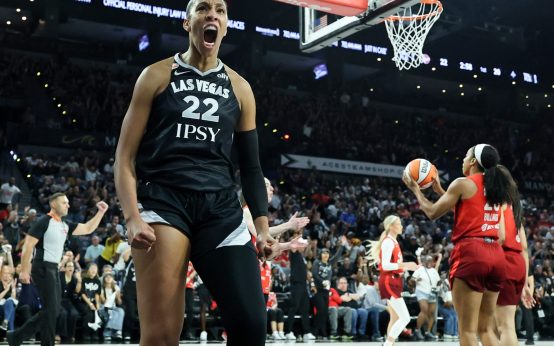 Las Vegas Aces Advance After Game 3 Victory Over Indiana Fever
  Nick Saban’s Comments on ESPN Spark Debate Over College Sports Regulations
  Freddy’s American Adventure: From Soccer to College Football
 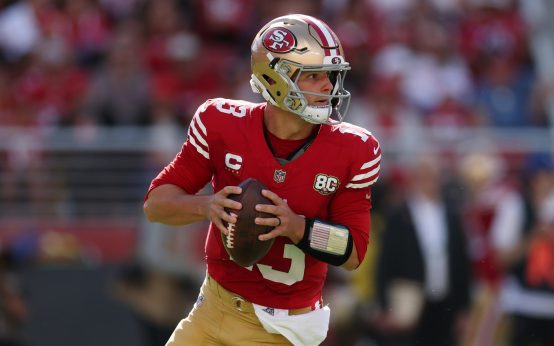 Brock Purdy’s Impressive Start in the 2026 NFL Season