Sports have been a significant part of my life. Growing up, I participated in cross-country and basketball under my dad’s coaching until I discovered my passion for volleyball. Playing as a setter was so fulfilling that I often dreamed about strategizing plays. Sports taught me important life skills such as willpower, loyalty, and discipline, alongside resilience in the face of setbacks. Yet, the most vivid memory remains the sheer enjoyment I felt towards the game.
Despite my passion, my collegiate volleyball career ended abruptly due to a serious injury. My height was 5 feet flat, but I compensated with determination and competitiveness. I faced losses with intensity and cherished every moment of practice, embracing challenges not because I aimed for a Division I spot but simply for the love of the sport.
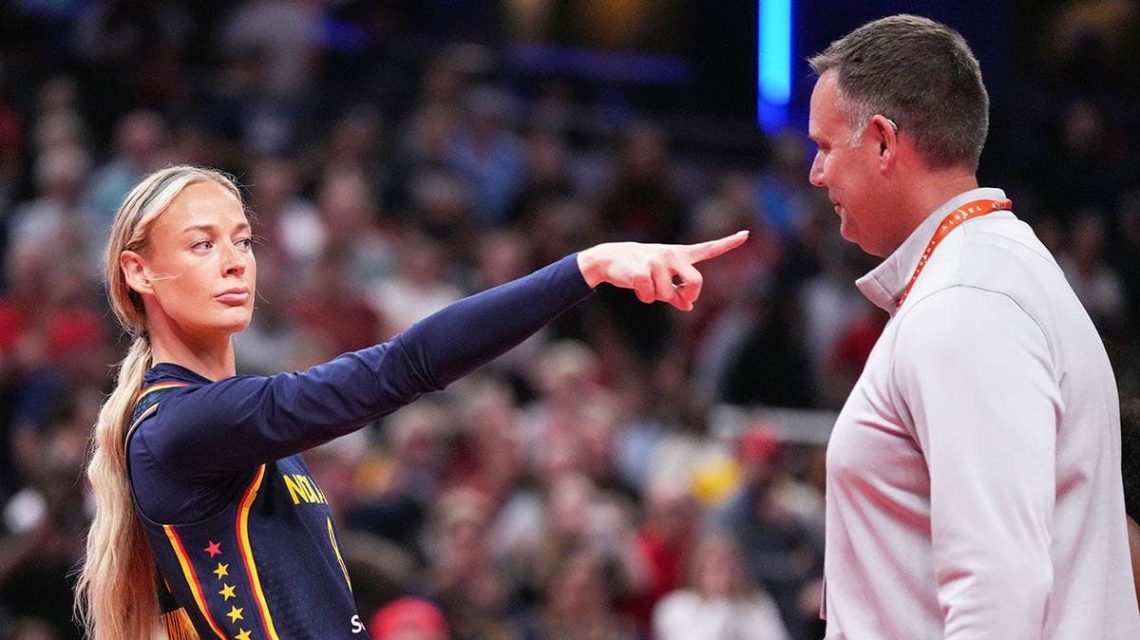
Jemele Hill recently critiqued Sophie Cunningham amid rising controversy over girls supporting women’s sports. Cunningham, an Indiana Fever guard, made headlines during a game at Gainbridge Fieldhouse in Indianapolis on June 22, 2026, when she pointed at Phoenix Mercury forward-guard DeWanna Bonner following an argument at the game, a moment that quickly went viral.
Cunningham has become a focal point in discussions after expressing her views in an ESPN interview. Identifying herself politically as moderate, she voiced concerns about young girls competing against biological men, asserting that this love for the sport comes with the need to speak truth.
Amid media scrutiny, Cunningham stood firm, calling her stance ‘common sense.’ Her unapologetic words ignited national debate, drawing both support and criticism. Her courageous stand serves as a vital example for aspiring female athletes in an environment that sometimes challenges traditional understanding of gender, as seen in partnerships like ‘Girls in the Game.’
Women’s sports have seen substantial achievement with recent U.S. Supreme Court decisions affirming the importance of sex and the states’ power to protect women’s sports under Title IX. This marks progress for girls in 27 states.
Yet, questions remain about the future for athletes like Kallie Keeler in Washington, and others like Selina Soule, Chelsea Mitchell, Alanna Smith, and Ashley Nicoletti in Connecticut, who await fair opportunities amid disparities. This highlights the necessity for equal access across all regions, ensuring young athletes are not disadvantaged by their location.
The involvement of professional athletes with significant influence needs reevaluation when fairness for girls is compromised. Girls deserve not only acceptance but advocacy from those who share their paths and platforms.
Recent incidents, like a Seattle Storm co-owner’s derogatory response to Cunningham supporters, emphasize the need for truthful dialogue. Cunningham’s act of courage reminds us that truth and integrity should be embraced rather than vilified.
Young girls, driven by ambition or pure passion, deserve a fair playing field. Where are the role models ready to inspire and advocate for equitable sportsmanship? This is a call for women to speak out for fairness and opportunity across the board.
 Nick Saban’s Comments on ESPN Spark Debate Over College Sports Regulations
  Freddy’s American Adventure: From Soccer to College Football
 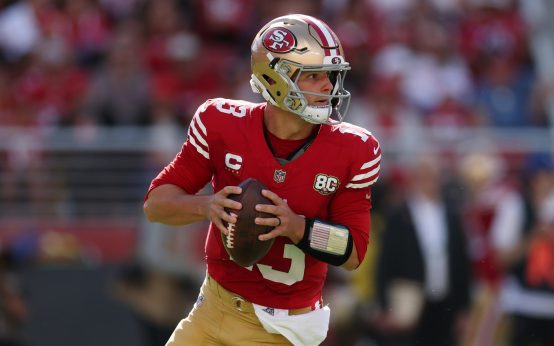 Brock Purdy’s Impressive Start in the 2026 NFL Season
  The Value of Retaining Miles McBride for the Knicks
  Penguins Make History with Dominant Season Opener
  Sonny Gray Expresses Frustration After Game Against Yankees